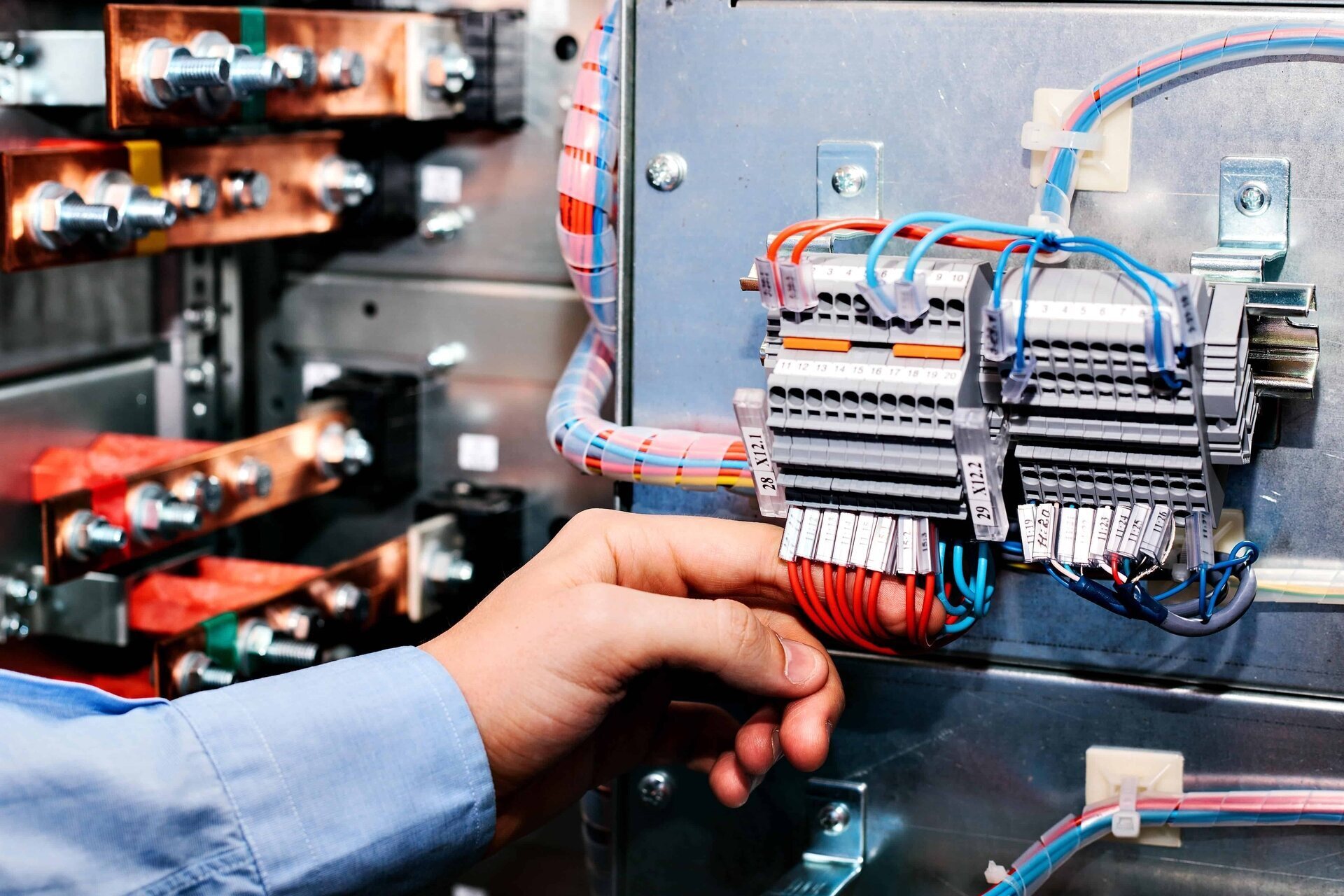
CE marking for electrical equipment done! With easyCE expert support.


Understand the Low Voltage Directive requirements for your electrical equipment. easyCE reviews the scope, safety objectives and applicable standards, then structures the risk assessment and technical evidence. Get expert support from the initial product review to the documentation and declaration of conformity.
Willy Lebherz
Founder and Managing Director of easyCE GmbH
DoC ready to sign!
Receive the declaration for your review and signature once the required assessment and evidence are complete.
Risk assessment completed!
Identify product hazards, assess risks and document the necessary protective measures.
Applicable standards identified!
We identify the relevant harmonised standards and check their scope, current references and any restrictions for your product.
Technical documentation prepared!
Bring the assessment, supporting evidence and product instructions together in a structured technical file.
CE marking prepared!
Clarify the marking and information your product needs before it is placed on the market.
Low Voltage Directive. The essentials.
Requirements at a glance
Directive 2014/35/EU applies to electrical equipment designed for use with a voltage rating between 50 and 1,000 V AC or between 75 and 1,500 V DC, subject to the exclusions in Annex II. Voltage alone is not enough to determine the complete legal framework.
The LVD uses internal production control. It does not require a notified body for its conformity assessment, but the manufacturer must still demonstrate compliance with the safety objectives and prepare adequate technical documentation, including a risk analysis and assessment.
easyCE identifies the relevant safety objectives and standards, reviews design and test evidence and prepares the technical documentation. We also check interfaces with other applicable legislation, so the final declaration reflects the requirements for the actual product rather than a generic electrical-equipment checklist.
Frequently asked questions
What is the Low Voltage Directive?
Directive 2014/35/EU establishes safety objectives for electrical equipment within its scope. It has applied since 20 April 2016 and replaced Directive 2006/95/EC.
The manufacturer demonstrates conformity, prepares the technical documentation and EU declaration, and applies CE marking. The directive does not provide a general approval issued by an authority.
What voltage range does the LVD cover?
The LVD covers equipment designed for use with a voltage rating between 50 and 1,000 V AC or between 75 and 1,500 V DC, subject to its exclusions.
These are the directive’s scope limits. Do not substitute the 120 V DC boundary used in some other electrical-safety classifications for the LVD’s 75 V DC threshold.
What are typical products within scope?
Examples can include mains-powered appliances, power supplies, lighting equipment, electrical motors, cables and switchgear, where the voltage rating and other scope conditions are met.
A component, cable or replacement part is not automatically within scope merely because it is used in electrical equipment. Purely optical cables and low-voltage-powered devices need a product-specific assessment of the relevant legislation.
What is excluded from the LVD?
Annex II excludes specified equipment, including electrical equipment for explosive atmospheres, radiology and medical purposes, electrical parts for goods and passenger lifts, electricity meters and domestic plugs and socket outlets.
Other exclusions include specified ship, aircraft and railway equipment complying with relevant international safety provisions, electric-fence controllers and certain custom-built research evaluation kits. An exclusion from the LVD does not mean that the product has no safety or CE requirements under another framework.
Does low voltage mean low risk?
No. The name of the directive is not a risk classification. Equipment within or below its voltage range can present serious electrical, thermal, mechanical or other hazards.
The relevant standard and application determine the necessary protective measures. The LVD scope thresholds must be distinguished from extra-low-voltage terminology used elsewhere in electrical engineering.
When is CE marking required?
CE marking is required where applicable EU product legislation provides for it. Electrical equipment within the LVD scope must meet its requirements before being placed on the market.
Other markings, such as separate waste-collection information, have different purposes. A wheelmark or vehicle approval mark is not simply an optional addition to LVD CE marking; first establish which regulatory framework applies.
Which other legislation may apply?
Depending on the product, other relevant frameworks can include EMC, radio equipment, RoHS, ecodesign, batteries, waste electrical equipment or energy labelling.
Not every framework requires CE marking, and some contain specific exclusions or replace the LVD’s separate application for the product. Identify scope from the legislation first, then select suitable standards.
What are the main LVD assessment steps?
Confirm scope, identify the applicable safety objectives, assess risks and verify the design against the selected standards or other substantiated technical solutions.
- Prepare technical documentation, including the risk analysis and assessment.
- Retain calculations, examinations and test reports supporting conformity.
- Maintain production controls so that supplied equipment matches the assessed design.
- Issue the EU declaration, apply CE marking and provide the required information.
Is a notified body required?
No. The LVD specifies internal production control and does not require notified-body involvement.
The manufacturer can obtain expert advice and independent testing, but remains responsible for conformity. A voluntary test certificate does not replace the technical documentation or EU declaration.
What happens if CE marking is misused?
Authorities can require correction of non-compliant products or documentation and take measures such as restricting supply, withdrawal or recall.
Penalties depend on the applicable national legislation and circumstances. An outdated UK statutory quotation or a generic fine range is not reliable guidance for all EU and UK markets.
Is military equipment automatically exempt?
No general military-equipment exclusion appears in the LVD. Any reliance on an exemption for essential security interests requires a specific legal assessment.
Do not assume that an intended military customer removes the applicable product-safety requirements. Article 346 of the Treaty on the Functioning of the European Union is not a blanket exemption for all electrical equipment supplied to defence organisations.
How should electrical-equipment risks be assessed?
The technical documentation must include an adequate analysis and assessment of risks. Identify the hazards relevant to the product and document how the design meets the applicable safety objectives.
Relevant issues include electric shock, overheating, fire, mechanical hazards and foreseeable external influences. Use the appropriate product standard and assessment method. A standard’s scope, edition and coverage must match the equipment; a machinery-specific template is not automatically sufficient for every electrical product.
Trusted by leading businesses. Chosen for results.














Your compliance project. Expertly handled.
Scroll horizontally to compare the options.
Approach to CE marking
Flexibility of support
Scope of support
Project contact
A clear, practical approach to CE marking
Our experts guide you through CE marking, with support tailored to your needs
Choose the support you need: the full CE marking process or help with individual steps
From the start, you have a dedicated CE expert to support you throughout the process
Other CE service providers
Approach and project fit depend on the provider
Processes and flexibility depend on the provider
Scope agreed with the provider
Contact arrangements agreed for the project
CE software
A standardised workflow that your team adapts to the project
Your team manages the software and carries out the assessment
Features depend on the software and the modules purchased
Technical project support may require an additional service
Expertise that moves your project forward.
Successful projects. Results that speak for themselves.
CE marking for an electric plate separator
easyCE supports the CE marking process for a plate separator that removes liquid droplets from aerosols, including preparation of the declaration of conformity. The assessment covered the pressure-regulating valve and electrical controls under EN 60204-1. The risk assessment in accordance with EN ISO 12100 focused on thermal hazards and the system's behaviour if a control signal is lost.
CE marking for process control systems in the concrete industry
easyCE assesses industrial process control systems and prepares the agreed conformity documentation. The work covers safety functions and performance levels under EN ISO 13849-1, together with the integration of bus systems and interfaces. EN 61131-3 was considered for programmable-controller software. The assessment addresses the controller software and its role in the complete system.
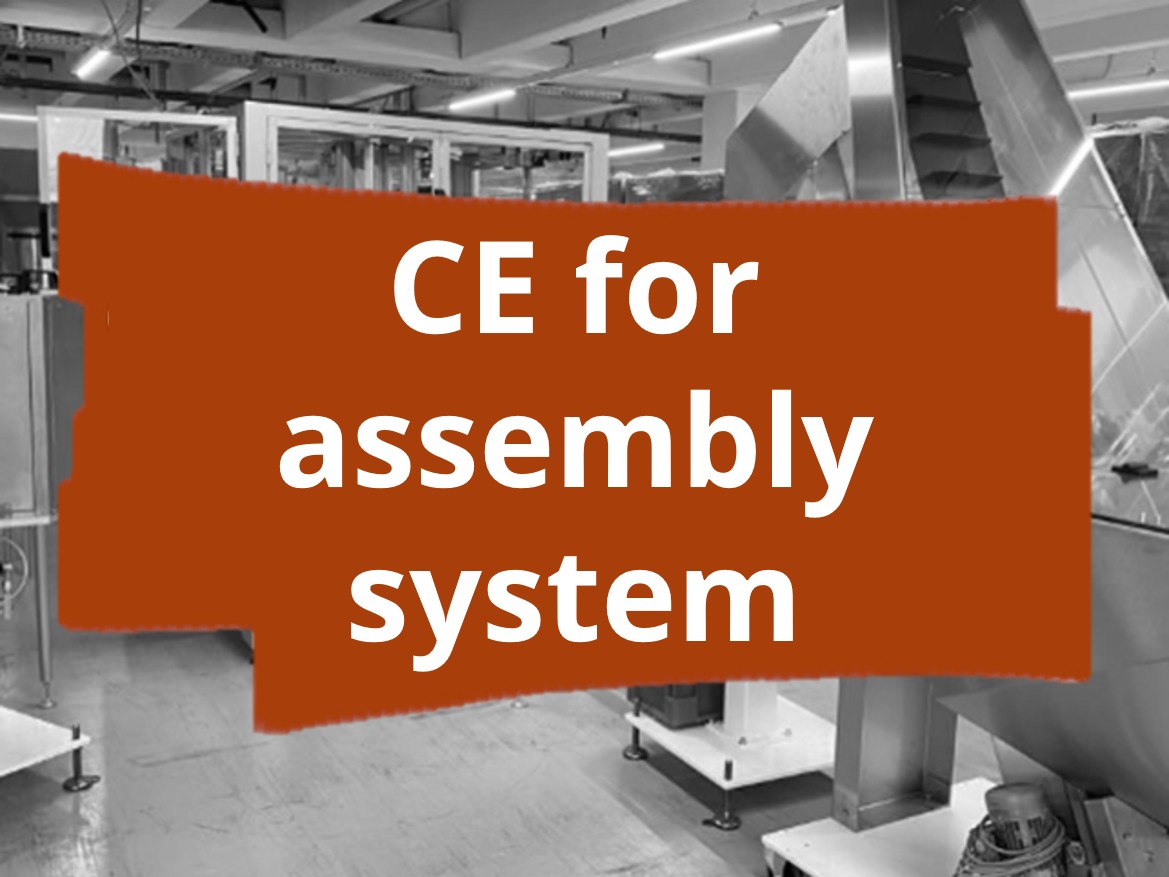
CE marking for rotary-indexing assembly systems
easyCE supports the conformity assessment of automated assembly systems with a rotary indexing table and multiple feeding stations, including preparation of a declaration of conformity ready to sign. The risk assessment under EN ISO 12100 addressed the interaction of protective measures and the safety-related controls under EN ISO 13849-1. Particular attention was given to servo-controlled movements at the indexing table and the electrical equipment requirements of EN 60204-1.
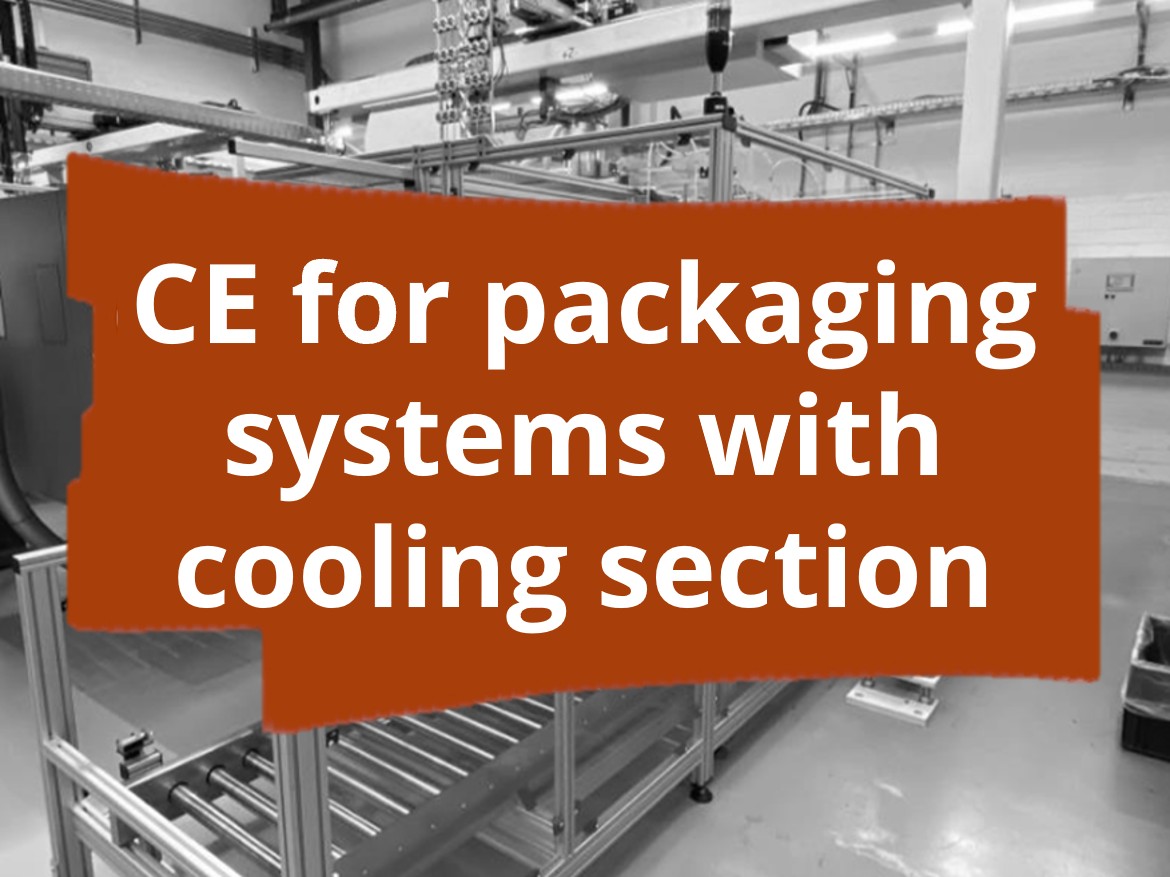
CE marking for packaging machinery with a cooling section
easyCE carries out the conformity assessment for a system that automatically closes and packages plastic closures. The work includes preparation of the declaration of conformity. The assessment focused on the swivelling conveyor mechanism and its safety-related controls under EN ISO 13849-1, alongside the packaging-machine requirements of DIN EN 415-7.
CE marking for automated rotary assembly systems
easyCE carries out the CE marking work for rotary systems that join plastic components, including preparation of the declaration of conformity. The risk assessment under EN ISO 12100 addressed the interaction of protective devices, including dual-channel emergency stop functions and access-door sensors. Safety-related controls were assessed with reference to EN ISO 13849-1.

CE marking for an integrated plastic-cap production line
easyCE assesses an integrated line comprising an injection-moulding machine, a linear robot and a packaging system. The work includes the overall risk assessment and declaration of conformity. Particular attention was given to transfer points and shared safety functions under EN ISO 13849-1. A common emergency stop function under EN ISO 13850 was implemented to stop all three machines when required by the safety concept.
CE marking for film and photography lighting control gear
easyCE supports the conformity assessment of control gear for specialist film and photography lighting, including preparation of the declaration of conformity ready to sign. The assessment covers electromagnetic compatibility with reference to EN 55015 and the safety of electronic control gear for LED modules under EN 61347-2-13. Overheating protection and the power supply arrangement are assessed with reference to EN 60598-1.
CE marking for decorative wooden lamps
easyCE supports the conformity assessment of handcrafted wooden lamps with integrated electrical components, including preparation of the declaration of conformity ready to sign. The assessment considers the thermal load on the wooden body and electrical safety with reference to EN 60598-1. Further work covers insulation, cable strain relief and clear marking of the permitted lamp power.
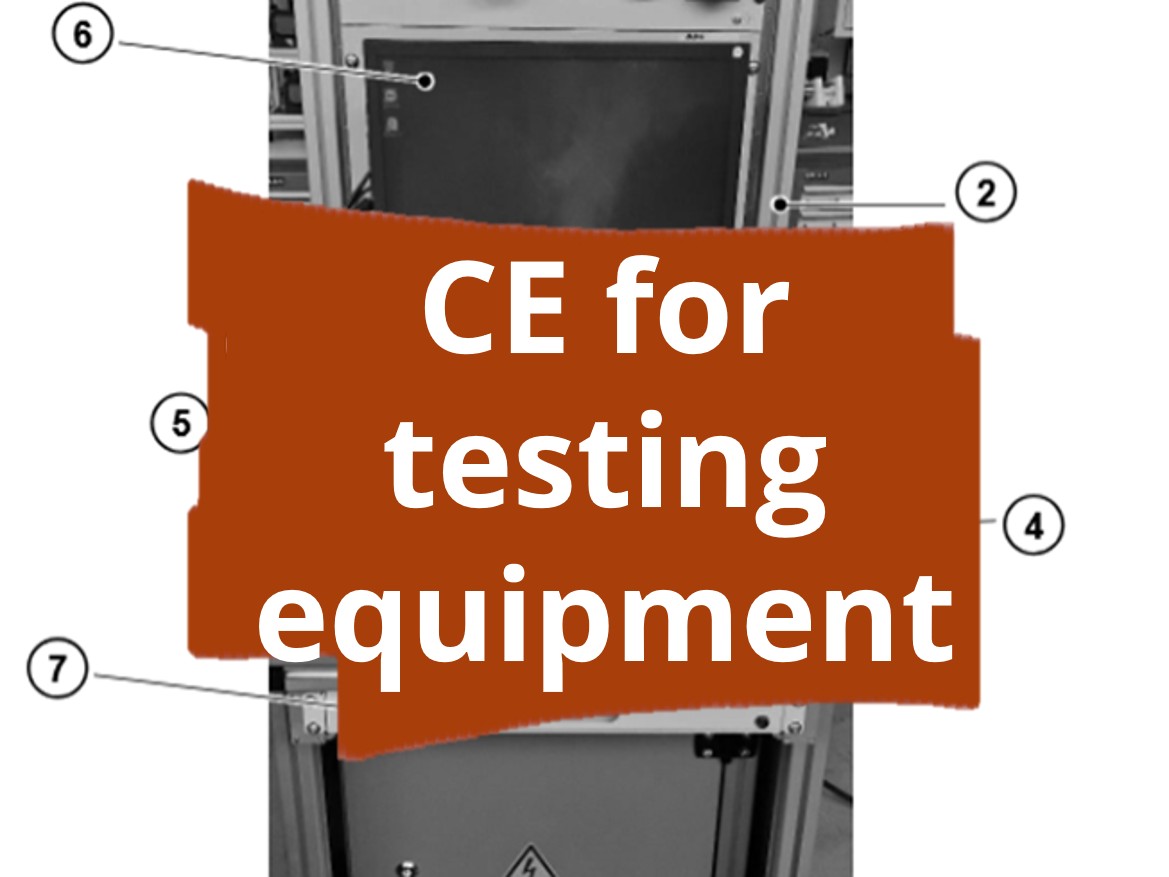
CE marking for industrial quality-assurance test equipment
easyCE assesses modular industrial test equipment and prepares the declaration of conformity ready to sign. The risk assessment under EN ISO 12100 focused on electrical hazards and safe isolation of energy sources. The work included checking protective devices, assessing the electrical equipment under EN 60204-1 and documenting the verification of safety functions.
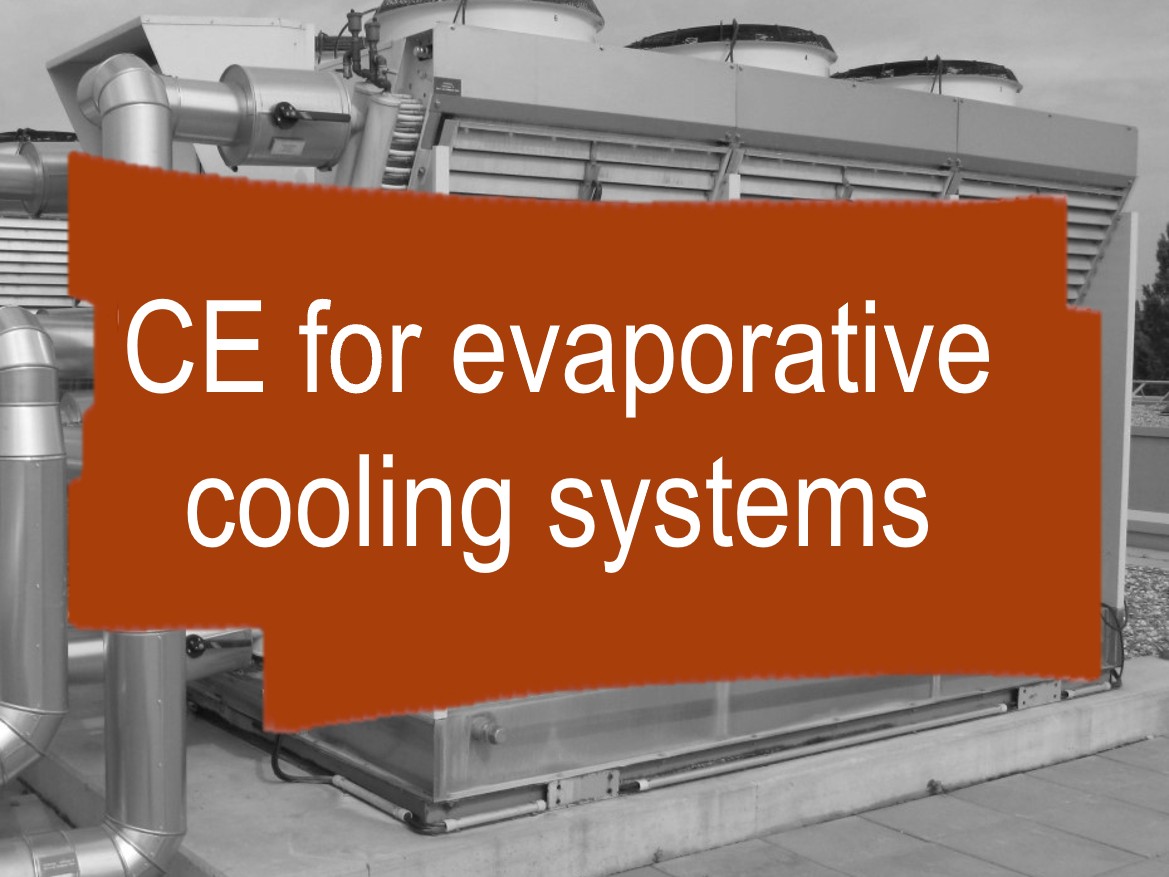
CE marking for industrial evaporative cooling systems
easyCE supports the CE marking process for industrial cooling systems with water circulation and automatic temperature control, including preparation of the declaration of conformity. The work covered risk assessment under EN ISO 12100 and electrical safety under EN 60204-1. A key challenge was integrating the water-circuit and fan controls while addressing the safety-related control requirements of EN ISO 13849-1.
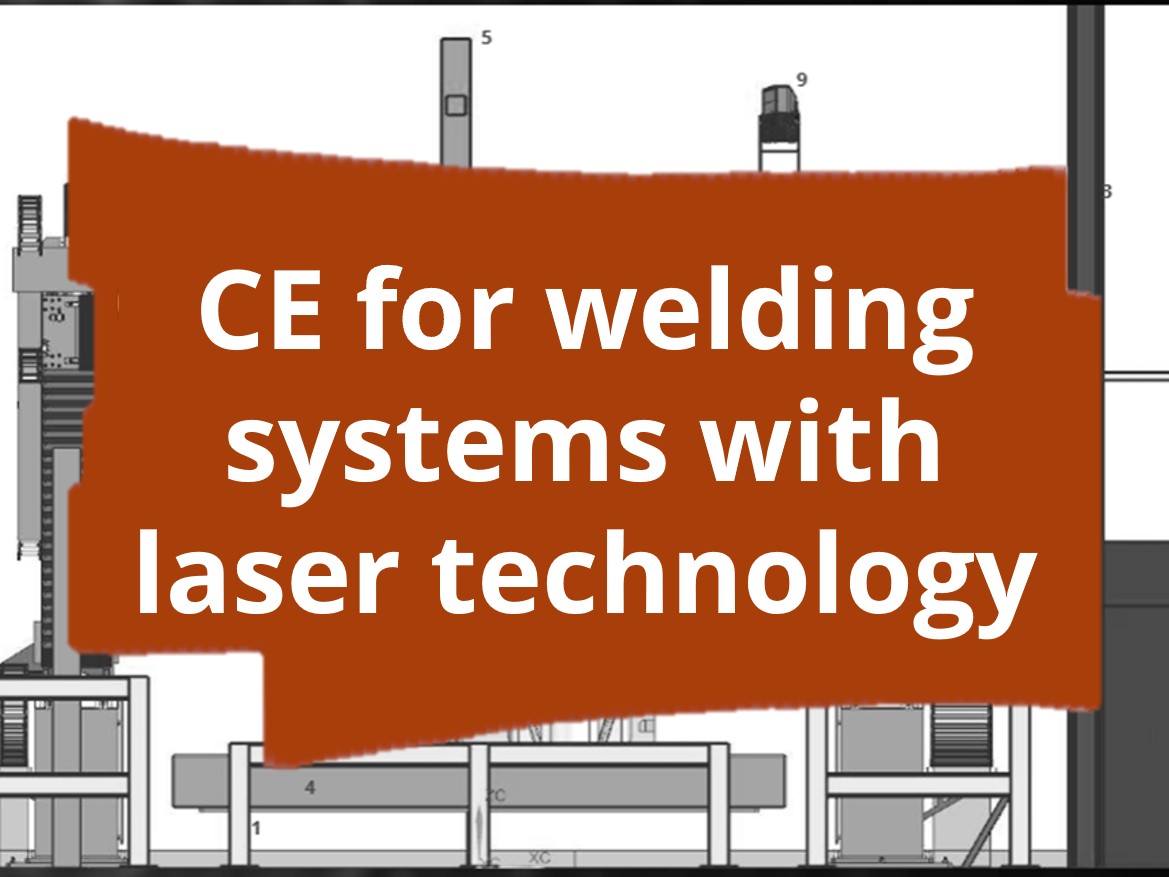
CE marking for automated welding systems
easyCE carries out the conformity assessment for automated welding systems with laser technology and fume extraction, including preparation of the declaration of conformity. The risk assessment under EN ISO 12100 covered laser hazards and the ergonomics of the exchange station. The work also considered safety-related controls under EN ISO 13849-1 and the relevant welding-equipment requirements of EN 60974-1.
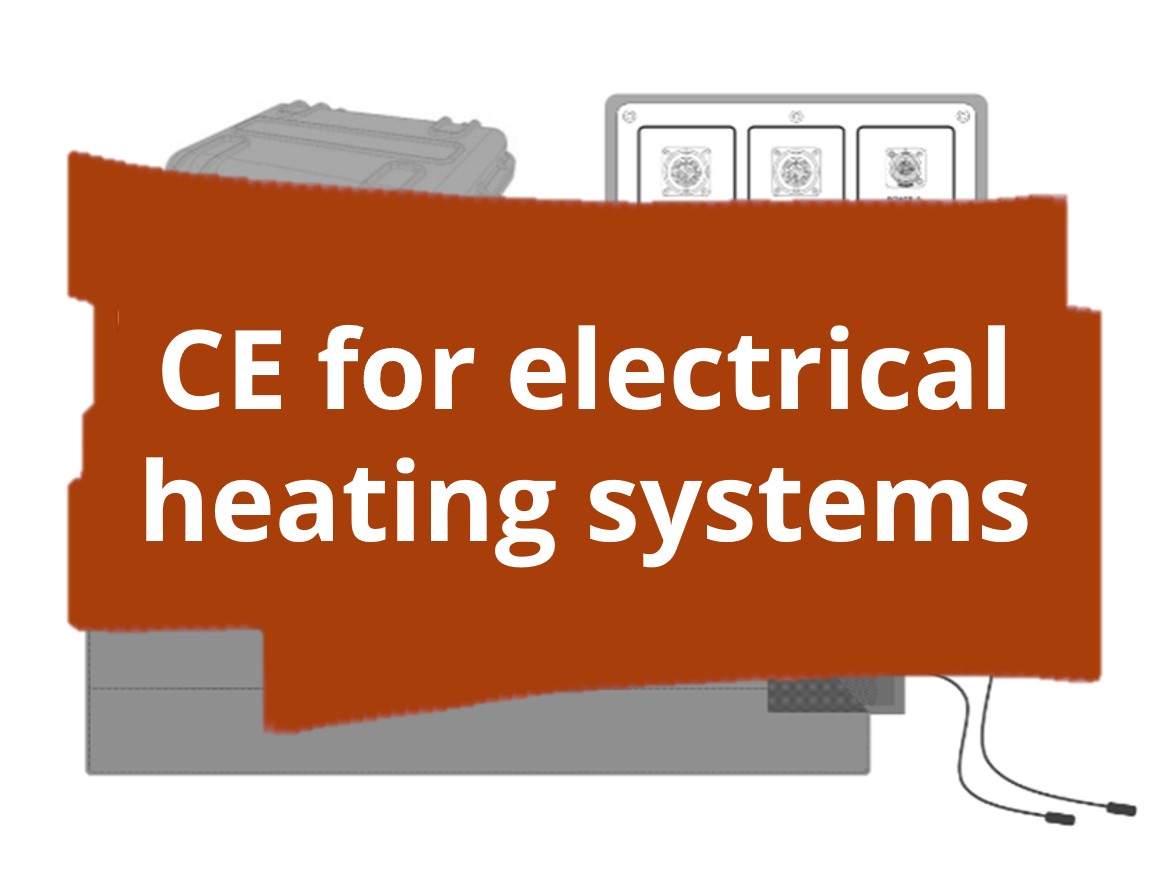
CE marking for electrical heating systems
easyCE supports the conformity assessment of electrical heating systems with integrated temperature sensors, including preparation of the declaration of conformity ready to sign. The assessment covers electrical safety and technical documentation under the Low Voltage Directive, with reference to EN 61010-1 for measurement, control and laboratory equipment. Particular attention is given to overheating protection using non-resettable thermal cut-outs.
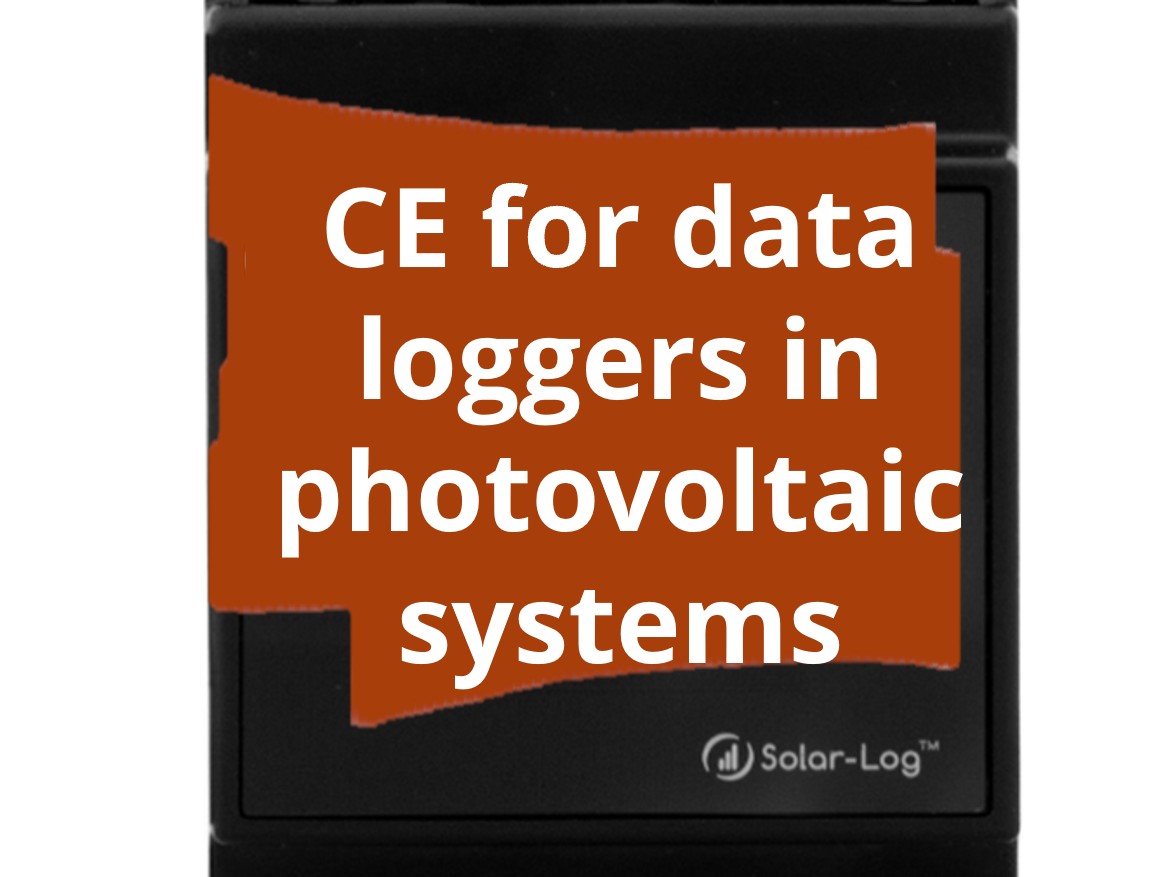
CE marking for photovoltaic data loggers
easyCE supports the conformity assessment of photovoltaic data loggers with monitoring and control functions, including preparation of the declaration of conformity ready to sign. The work considers electrical safety with reference to EN 62368-1 and electromagnetic emissions under EN 61000-6-3. Particular attention is given to the communication interfaces, expansion modules and their different voltage levels.
CE marking for scraper conveyor systems in the construction industry
easyCE supports the CE marking process for scraper conveyors that move dry or moist bulk materials, including preparation of the declaration of conformity. The risk assessment under EN ISO 12100 focused on safe access to the material bays and interfaces with delivery vehicles. The work also addressed a safety-related control system under DIN EN 12629-1 to protect personnel while keeping the system efficient to operate.

CE marking for air-cooled condensers and dry coolers
easyCE supports the CE marking process for V-shaped condensers and dry coolers with different refrigerant options, including preparation of the declaration of conformity. The assessment covered risks under EN ISO 12100 and electrical equipment under EN 60204-1. Particular attention was given to the fan control systems and to protecting personnel from hazardous areas, using the safety distances specified in EN ISO 13857.
CE marking for remotely controlled LED lighting
easyCE supports the conformity assessment of RGB LED lighting with touch and remote controls, including preparation of the declaration of conformity ready to sign. The assessment considers electromagnetic compatibility with reference to EN 55015. Electrical hazards are assessed with reference to EN 60598-1 for luminaires and EN 62368-1 for electronic equipment, taking account of the control functions and power supply.
CE marking for a motor-control test bench
easyCE supports the conformity assessment of a test bench used to develop and test motor controls, including preparation of the declaration of conformity. The risk assessment under EN ISO 12100 addressed rotating parts, guard locking and standstill monitoring at speeds up to 8,000 rpm. The work considered safety-related controls under EN ISO 13849-1 and electrical equipment under EN 60204-1.
CE marking for concrete-garage formwork machinery
easyCE assesses formwork systems used to manufacture concrete garages and prepares the declaration of conformity. The work focused on hydraulic components and the hazards associated with large moving formwork elements. Safety-related controls were assessed under EN ISO 13849-1, alongside the electrical-equipment requirements of EN 60204-1.
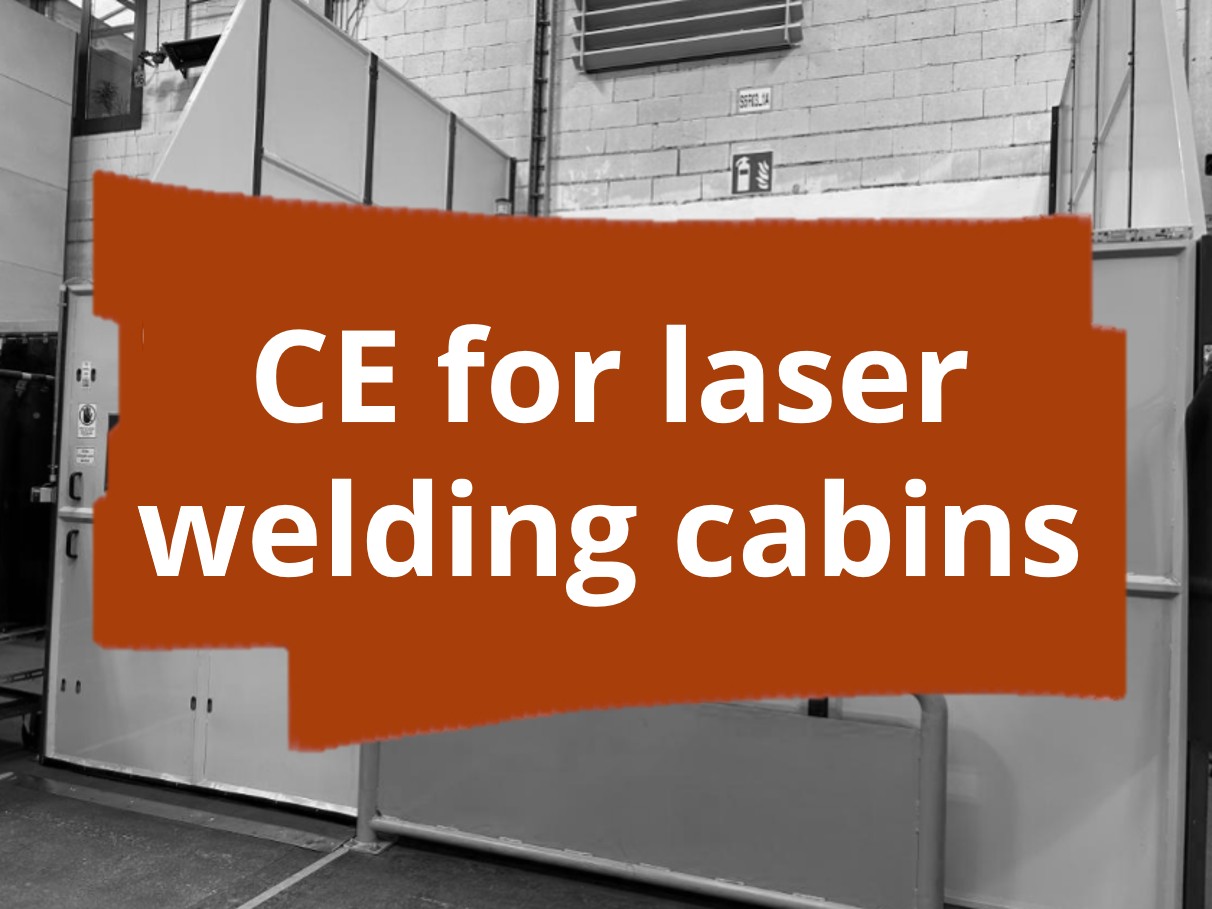
CE marking for laser welding cabins with hand-held laser systems
easyCE supports the CE marking process for laser welding cabins with hand-held laser systems, including preparation of the declaration of conformity. The work focused on laser protection under DIN EN 60825-4 and safety-related interlocks under EN ISO 13849-1. The safety concept used sensors to prevent unintended activation outside the designated work area and to protect operators from hazardous laser radiation.
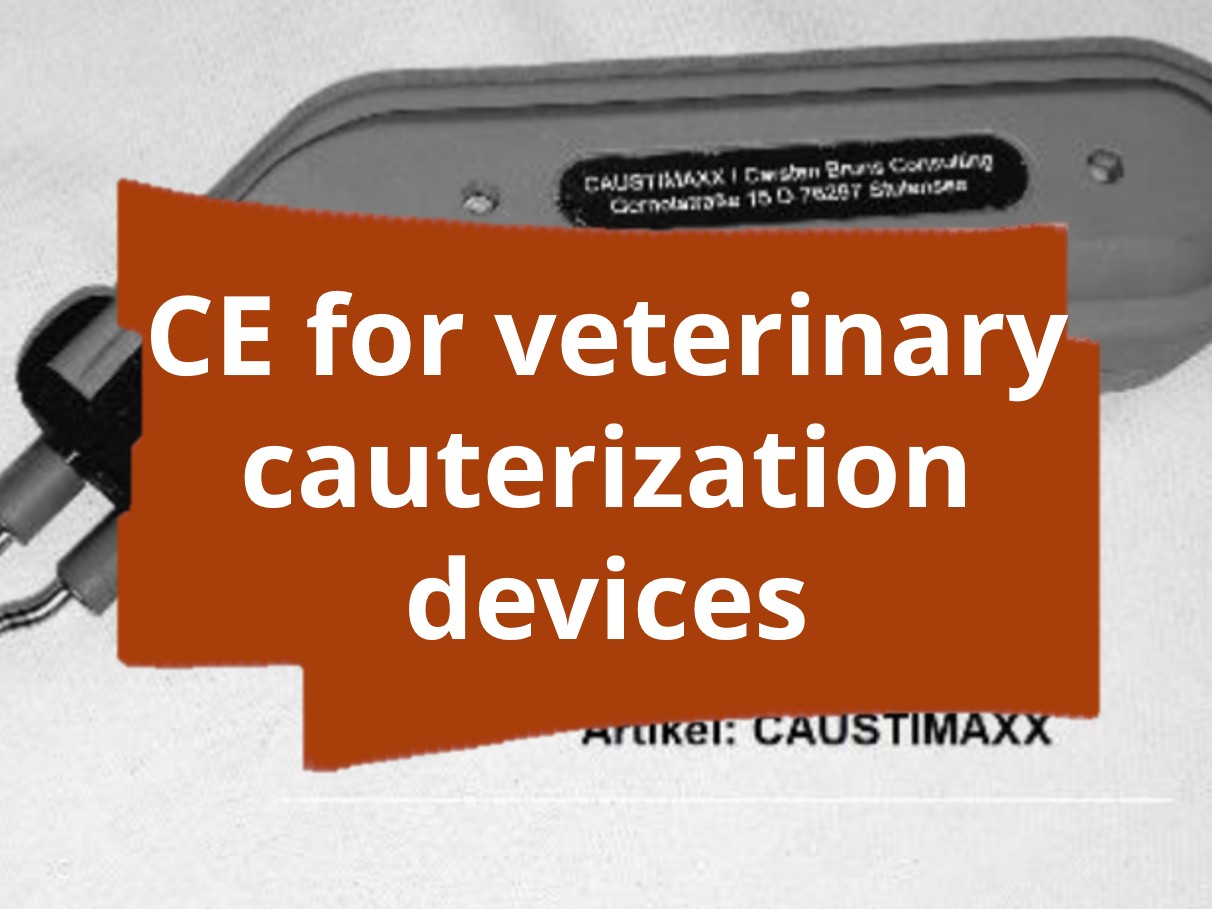
CE marking for veterinary cauterisation devices
easyCE supported the conformity assessment of handheld veterinary cauterisation devices and prepared a declaration of conformity ready to sign. The project addressed electrical safety with reference to EN 60335-1 and electromagnetic compatibility, including shielding and interference suppression measures. EN 55014-1 was considered for emissions. Veterinary use does not itself bring a product within the human medical device regulations.
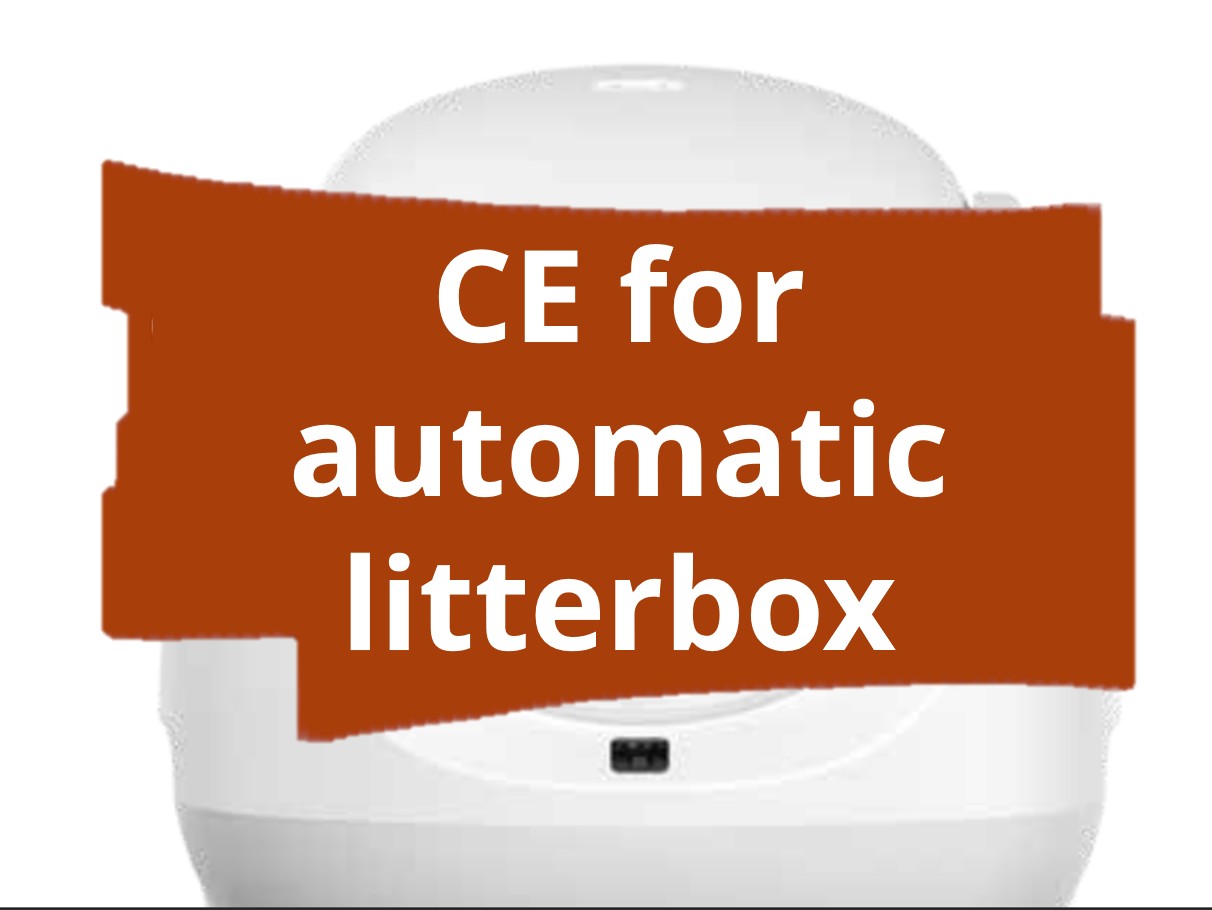
CE marking for automatic cat litter boxes
easyCE supported conformity assessment and prepared a declaration of conformity ready to sign for an automatic cat litter box. The project addressed electrical safety with reference to EN 60335-1, electromagnetic emissions with reference to EN 55014-1, and protection against unauthorised access through the Wi-Fi interface.
CE marking for electrothermal cutting tools
easyCE supports the conformity assessment of hand-held cutting tools with heated blades, including preparation of the declaration of conformity ready to sign. The assessment considers temperature control, user ergonomics and electrical safety with reference to EN 60335-1. Risk assessment under EN ISO 12100 addresses the combination of thermal and electrical hazards and informs the insulation and protective measures.
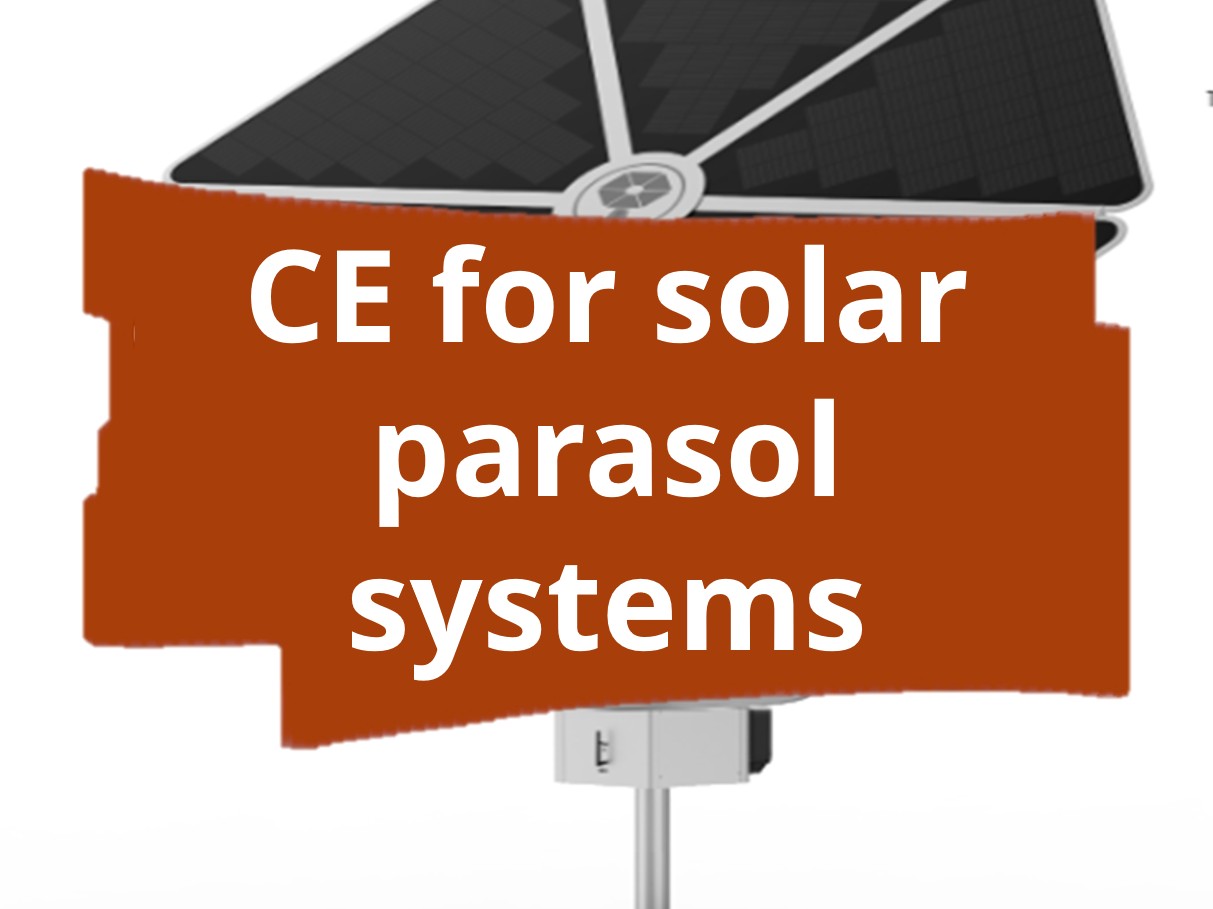
CE marking for solar parasol micro-inverter systems
easyCE supports the conformity assessment of solar energy systems with integrated micro-inverters and Wi-Fi connectivity, including preparation of the declaration of conformity ready to sign. The assessment considers electrical safety under EN 62109-1. EMC work covers residential emission requirements under EN 61000-6-3 and immunity requirements under EN 61000-6-1 for the grid-connected system.
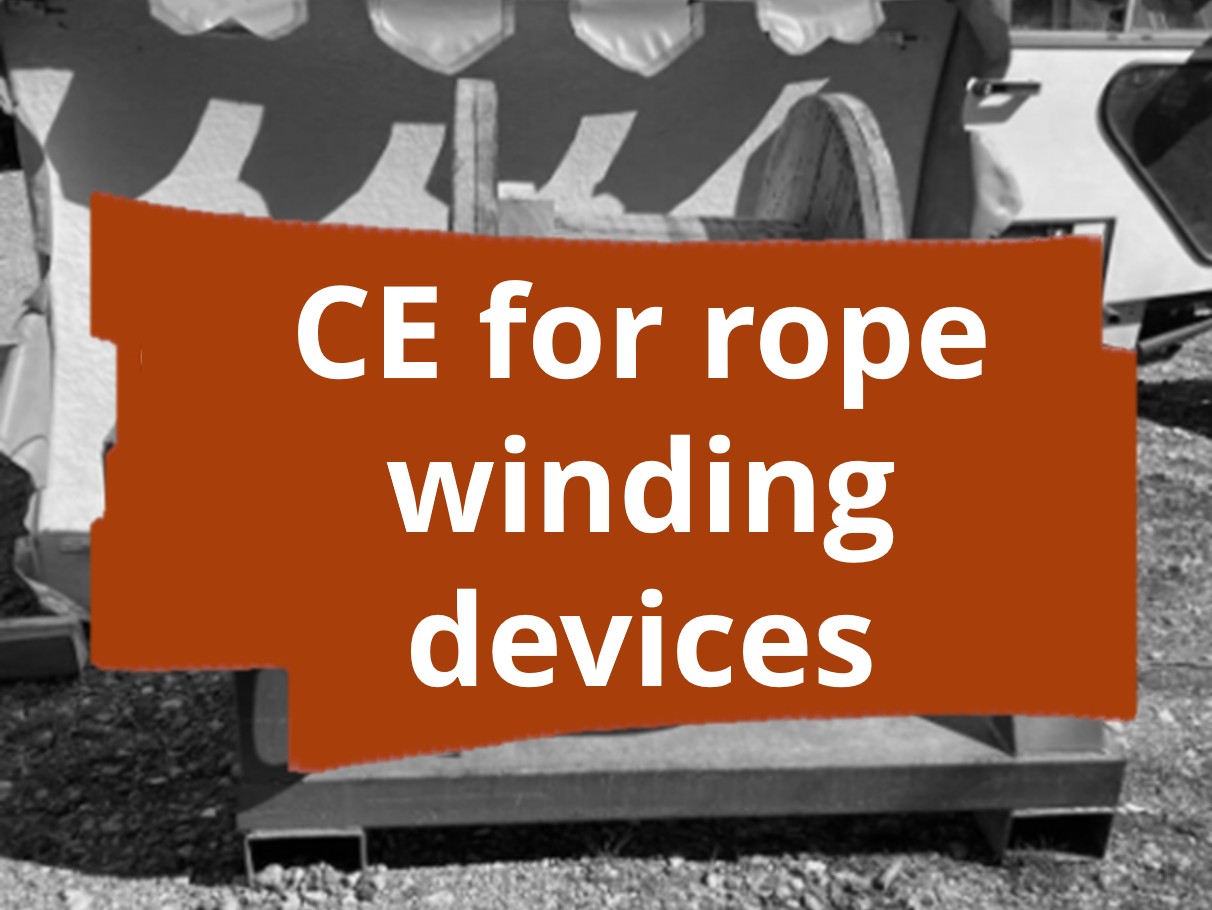
CE marking for rope-winding devices in leisure facilities
easyCE supports the CE marking process for electrically powered rope-winding devices, including preparation of the declaration of conformity. The assessment focused on the drive's safety-related controls under EN ISO 13849-1 and electrical equipment under EN 60204-1. The safety concept needed to address outdoor use in changing weather conditions and provide a reliable emergency stop function.
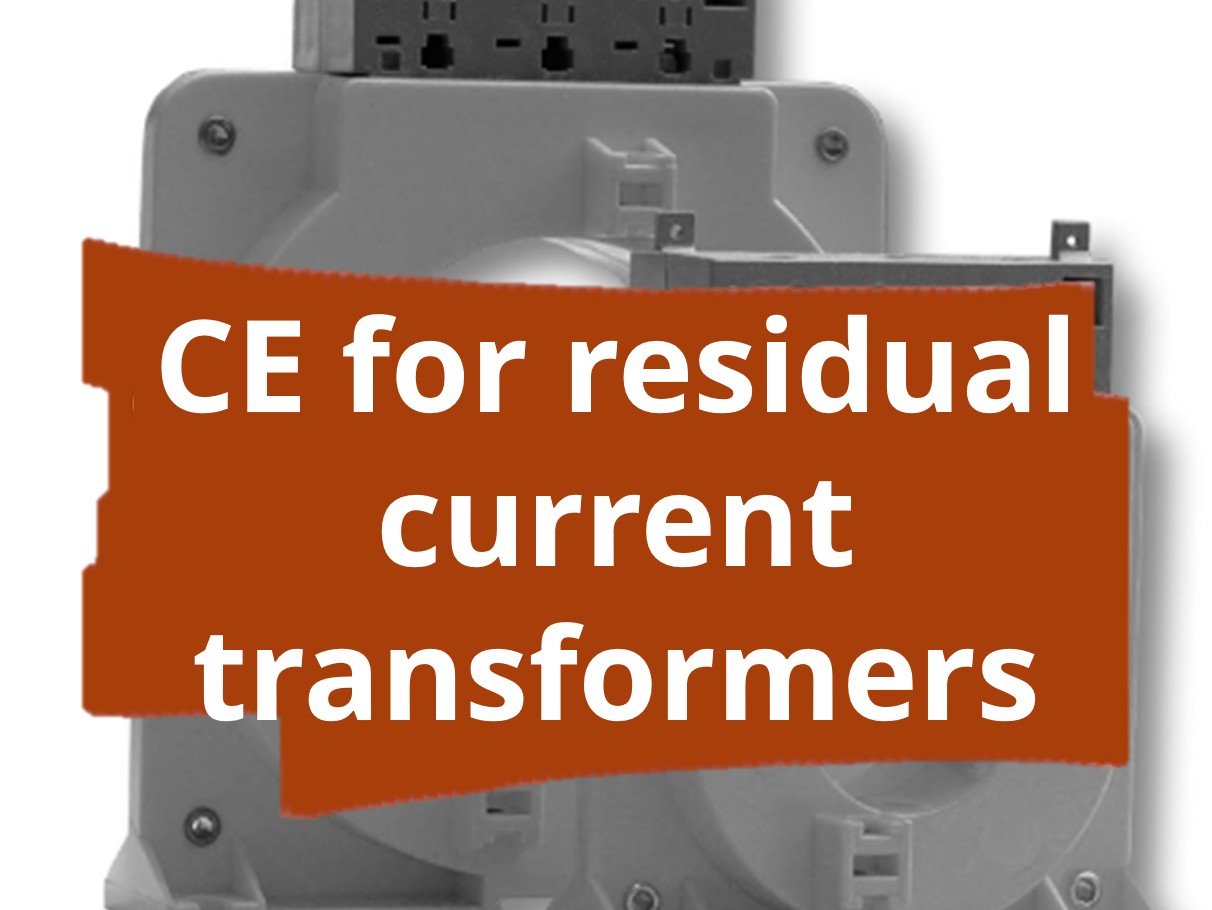
CE marking for residual current transformers
easyCE supports the conformity assessment of residual current transformers used to detect fault currents in energy monitoring systems, including preparation of the declaration of conformity ready to sign. The assessment considers electrical safety under EN 61010-1 and electromagnetic compatibility under EN 61326-1. Insulation coordination is assessed with reference to IEC 60664-1, including test voltages up to 3 kV and pollution degree 3.
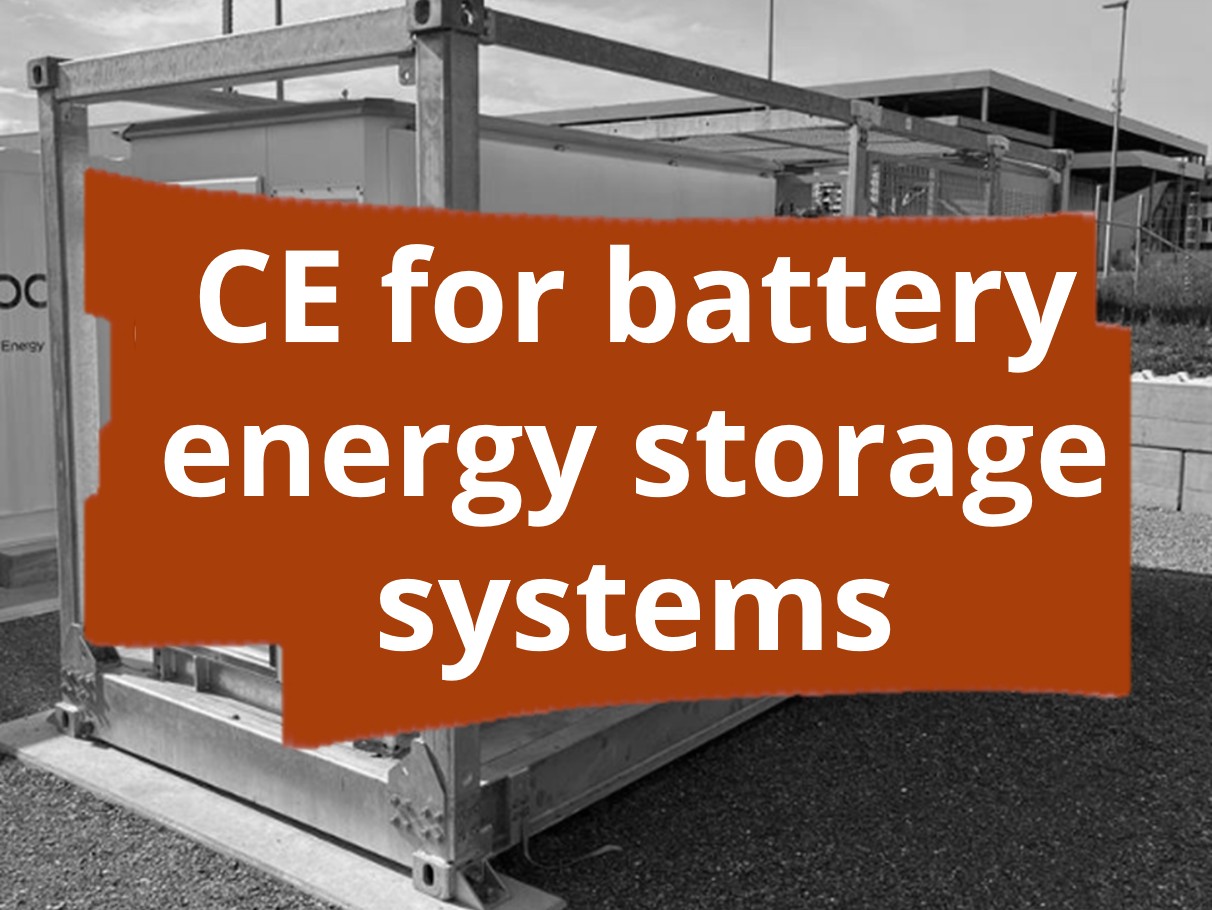
CE marking for stationary battery energy storage systems
easyCE supports the conformity assessment of stationary battery storage systems used to provide primary and secondary frequency control services, including preparation of the declaration of conformity ready to sign. The assessment considers industrial EMC immunity under EN 61000-6-2 and the system's electrical and battery-related hazards. The safety concept includes fire detection with two-detector confirmation and an automatic aerosol fire suppression system.
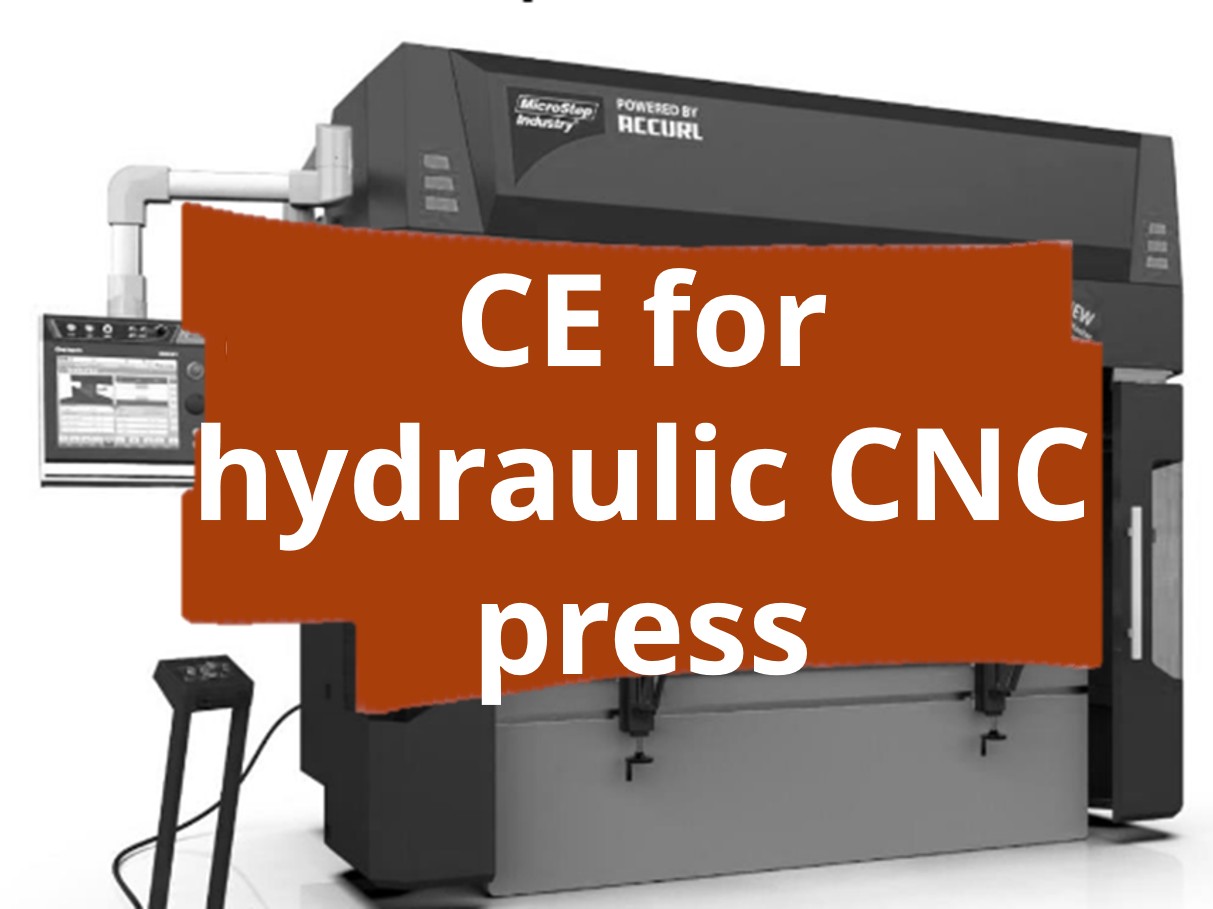
CE marking for hydraulic CNC press brakes
easyCE supports the CE marking process for hydraulic servo CNC press brakes, including preparation of the declaration of conformity. The risk assessment under EN ISO 12100 focused on hazards in the working area between the upper and lower beams. The safety concept combined optical protective devices and safety-related controls under EN ISO 13849-1 to protect operators while supporting precise, productive bending of complex workpieces.

CE marking for automotive interior-part production machinery
easyCE carries out the conformity assessment for servo-hydraulic machines combining pressing, punching and edge-folding operations. The risk assessment under EN ISO 12100 addressed the interaction of these processes. The work also covered the hydraulic and electrical systems, electrical equipment under EN 60204-1 and safety-related controls under EN ISO 13849-1, with a declaration of conformity prepared ready to sign.
CE marking for electronically controlled water treatment systems
easyCE supports the conformity assessment of water treatment systems with electronic controls, including preparation of the declaration of conformity ready to sign. The assessment considers electromagnetic emissions under EN 61000-6-3 and electrical safety under EN 60335-1. Further work examines leak protection, electrical isolation and the UV lamp and pump controls, with EN 60335-2-41 considered for the pump.
CE marking for film and photography lighting control gear
easyCE supports the conformity assessment of control gear for specialist film and photography lighting, including preparation of the declaration of conformity ready to sign. The assessment covers electromagnetic compatibility with reference to EN 55015 and the safety of electronic control gear for LED modules under EN 61347-2-13. Overheating protection and the power supply arrangement are assessed with reference to EN 60598-1.
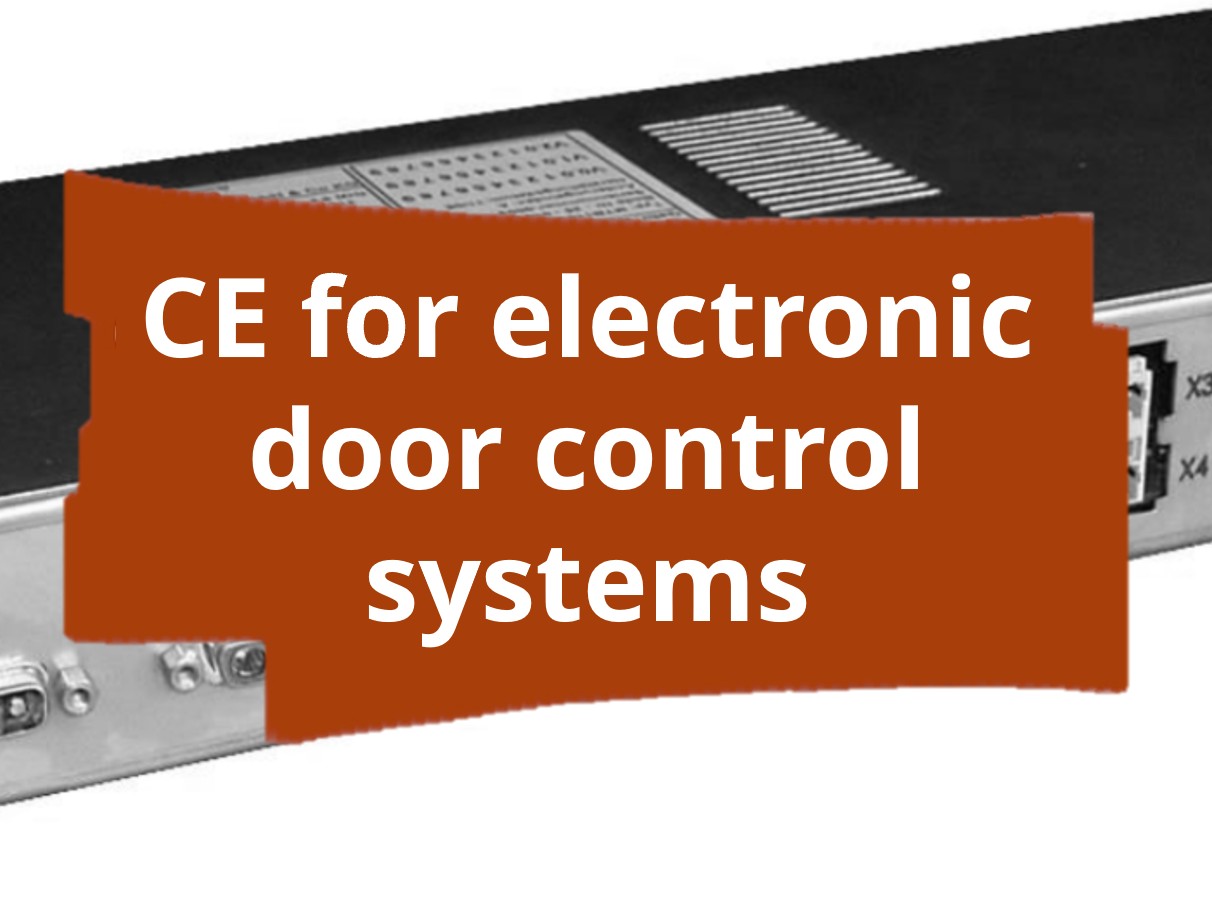
Conformity assessment for rail vehicle door controllers
easyCE supports the conformity assessment of electronic units that control door drives in rail vehicles. The work examines integration into the vehicle environment, including the requirements for electronic equipment under EN 50155, electromagnetic compatibility and electrical safety. The assessment also considers the intended use, relevant risks and the applicability of product legislation to the controller.
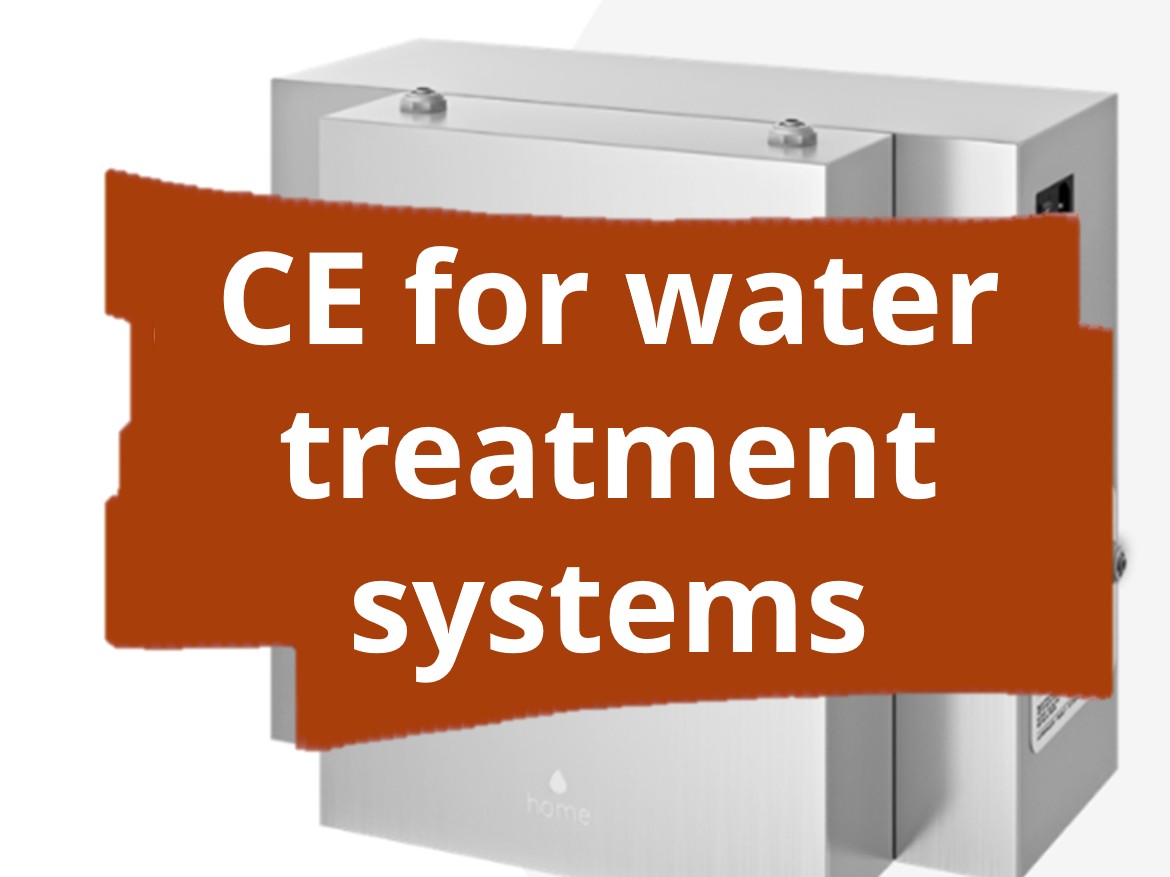
CE marking for water filtration systems
easyCE supports the conformity assessment of water treatment equipment combining several filtration stages with UV disinfection, including preparation of the declaration of conformity ready to sign. The electrical safety assessment considers EN 60335-1. Further work examines pressure monitoring, non-return valves and automatic shutdown functions.
CE marking for photovoltaic data loggers
easyCE supports the conformity assessment of photovoltaic data loggers with monitoring and control functions, including preparation of the declaration of conformity ready to sign. The work considers electrical safety with reference to EN 62368-1 and electromagnetic emissions under EN 61000-6-3. Particular attention is given to the communication interfaces, expansion modules and their different voltage levels.
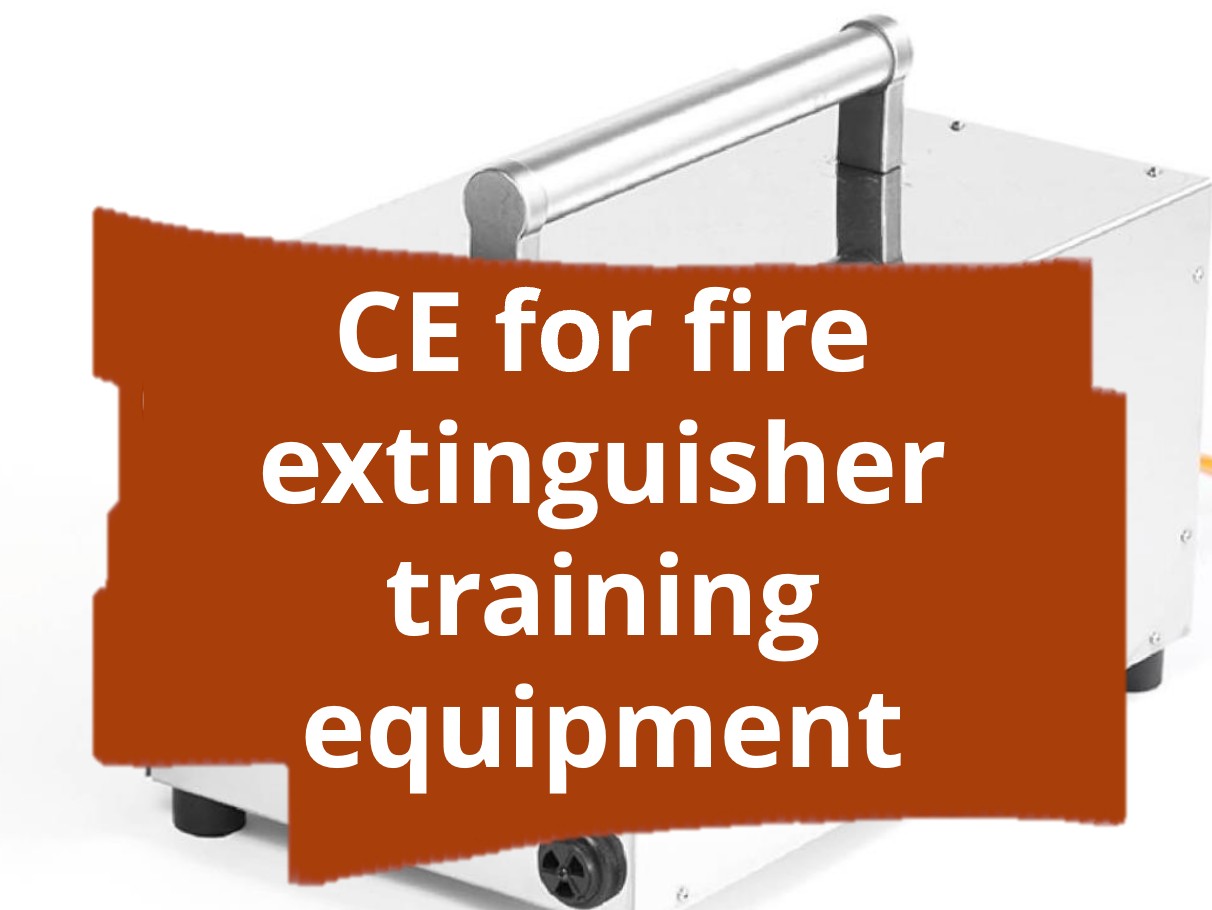
CE marking for fire-extinguisher training equipment
easyCE carries out the CE marking work for filling stations with automatic pumps used with fire-extinguisher training equipment. The assessment covered the risks of pressurising the equipment and the electrical-equipment requirements of EN 60204-1. Safety-related controls were assessed under EN ISO 13849-1, with the findings included in the documentation for the declaration of conformity.
CE marking for high-voltage measuring adapters
easyCE supports the conformity assessment of adapters used to measure high-voltage systems in electric vehicles, including preparation of the declaration of conformity ready to sign. The assessment focuses on protection against electric shock, including double insulation and 100 kΩ series resistors. A key requirement is the adapter's measurement category, CAT III, at voltages up to 1,000 V DC with reference to EN 61010-31.
CE marking for conventional lathes
easyCE supports the CE marking process for conventional metalworking lathes, including preparation of the declaration of conformity. The risk assessment under EN ISO 12100 identified the requirements for controls and protective devices. The work also addressed the machine-specific requirements of EN ISO 23125, particularly those relating to moving parts and drive components.
CE marking for motorised awning systems
easyCE assesses cassette awnings with motorised drives and automatic wind-triggered retraction. The risk assessment under EN ISO 12100 addresses the control functions and foreseeable operation. The work also considers electric-shock protection under EN 60335-2-97 and wind resistance under EN 13561, with the relevant declarations prepared from the assessment evidence.
Explore more of our work in the easyCE project portfolio.
Expert support in three clear steps
Step 1
Free initial advice
Describe your product and tell us where you need support. We clarify the applicable requirements and the next steps in a free initial discussion.
Step 2
A clear project proposal
Receive a proposal with a defined scope, deliverables and responsibilities. Your easyCE expert explains the assessment process and the evidence your project needs.
Step 3
Expert delivery
Your dedicated expert coordinates the agreed assessment, documentation and supporting tasks. You receive a structured handover, with any remaining actions clearly identified.
Your compliance project. Expertly handled.
Engineering expertise you can rely on

Willy Lebherz, Founder and Managing Director of easyCE
- Expert in product safety and compliance, since 1995
- Recipient of the "Medal of the Order of Merit of the Federal Republic of Germany", awarded in 1983 by the then Federal President Carl Carstens
- Meister qualification in measurement and control technology
- Captain (ret.), Project Officer for Technical Logistics in the Army Material Office and Chief of the Telecommunications Repair Company
easyCE specialises in product safety and conformity assessment. We combine engineering expertise with digital tools to help manufacturers, machinery users and distributors bring compliant products to market. From risk assessment and identifying relevant standards to technical documentation and test coordination, we carry out the work your project needs. You can choose support for the full process or individual tasks, with a dedicated CE expert as your point of contact. Founded in southern Germany, we work with customers worldwide.
We understand the requirements that apply to your product and can help you work through them.