
 MARKING FOR VEHICLE EQUIPMENT.
DELIVERED BY CE EXPERTS.
Expert CE assessment for vehicle-mounted machinery and test equipment. We assess risks and vehicle interfaces, define protective measures and prepare the technical documentation and declaration your equipment needs. You get a clearly scoped, coordinated project from the first technical review to a structured documentation handover.
Willy Lebherz
Founder and Managing Director of easyCE GmbH

DoC ready to sign!
We prepare the applicable machinery declaration once the assessment is complete.
Risk assessment completed!
We assess the equipment, its intended use and its interfaces with the base vehicle.
Requirements identified!
We distinguish machinery requirements from vehicle approval and road-use obligations.
Technical documentation prepared!
We prepare a structured technical file and clear operating instructions for the equipment.
CE marking prepared!
We prepare CE marking for equipment within scope and the appropriate documents for partly completed machinery.
Trusted by leading businesses. Chosen for results.





























Your role determines your equipment conformity responsibilities
Equipment manufacturers
Machinery owners and operators
Equipment exporters
Equipment importers
Identify what you are placing on the market: a road vehicle, machinery mounted on it, a test system or partly completed machinery. Road-vehicle approval and CE marking serve different purposes. Vehicle-mounted machinery can fall within the Machinery Directive even where the base vehicle is covered by vehicle-approval legislation.
Assess the complete machinery and its interfaces with the vehicle, including stability, loads, controls, access and operating conditions. CE-marked components alone do not establish conformity of the assembled equipment. Prepare the required technical file, declaration, marking and instructions before the machinery is placed on the market or put into service.
We carry out the agreed risk assessment, review the integration and prepare the documentation. We also identify the vehicle-approval questions that need to be resolved with the relevant approval authority or technical service.
Employers must provide suitable work equipment and manage the risks of using it. CE marking does not replace workplace risk assessment, maintenance or road-use requirements. Older equipment does not automatically need retrospective CE marking; its history and any modifications must be considered.
Building machinery for your own use or making changes that create new machinery can bring manufacturer responsibilities. Changing the body, loading equipment or vehicle configuration may also affect vehicle approval. Assess the specific change before deciding which process is required.
We review the existing documents and proposed modifications, assess the machinery risks and identify the next steps for the equipment and the base vehicle.
Check the destination market's requirements and establish who acts as manufacturer, importer or distributor. Exporting equipment does not automatically transfer all CE marking responsibilities to the exporter.
For vehicle-mounted machinery entering the European market, make sure the relevant conformity assessment, declaration, marking and instructions are in place. Requirements for vehicle approval, registration and road use must be addressed separately. We also identify UKCA requirements where they are relevant to the destination market.
We prepare and review the agreed machinery documentation, including risk assessment, technical file and operating instructions, and identify questions that need vehicle-approval expertise.
We match the documentation to the exported equipment configuration and flag missing interface information before handing the file over to your team.
Before bringing vehicle-mounted machinery or test equipment onto the EU market from outside the EU, check its applicable assessment route and documentation. Used machinery entering the market for the first time may also need to meet the current machinery requirements.
Confirm the required declaration, marking and instructions, and establish how the manufacturer will make the technical file available to authorities. Selling equipment under your own name or changing it in a way that affects conformity can bring manufacturer responsibilities. Vehicle approval and road registration remain separate checks.
We review the supplier's documents, assess the machinery and its interfaces, and prepare the agreed missing documentation. Classification follows the product's actual function, not a convenient label.
Your CE project. Expertly handled.
Swipe or scroll horizontally to compare all options.
Approach to CE marking
Flexibility of support
Scope of support
Project contact
A clear, practical approach to CE marking
Our experts carry out the CE work, with a clear plan tailored to your product
Choose the full conformity assessment process or help with individual tasks
Your dedicated CE expert coordinates the agreed work throughout the project
Other CE service providers
Approach and project fit depend on the provider
Processes and flexibility depend on the provider
Scope agreed with the provider
Contact arrangements agreed for the project
CE software
A standardised workflow that your team adapts to the project
Your team manages the software and carries out the assessment
Features depend on the software and the modules purchased
Technical project support may require an additional service
We make CE marking simpler
Successful projects. Results that speak for themselves.
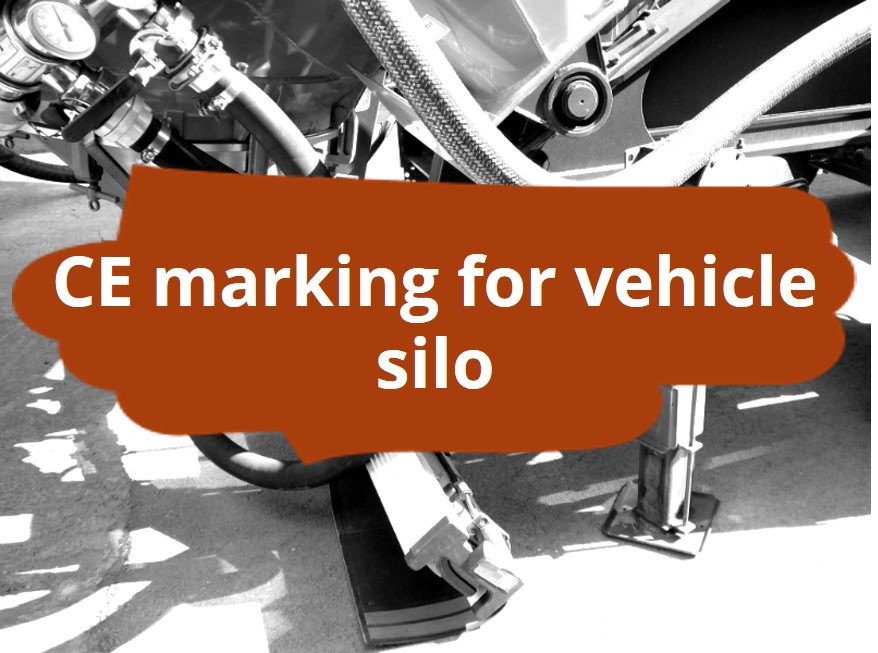
CE marking for a vehicle-mounted bulk-material silo
easyCE carries out the agreed conformity assessment for a horizontally operated transport silo mounted on a vehicle. The work includes risk assessment and preparation of the declaration of conformity. Particular attention is given to safe discharge of bulk materials and the interaction between the silo and its vehicle installation.
Conformity work for vehicle test equipment
Our conformity work for vehicle test equipment covers product classification, risk assessment and technical documentation. We assess the equipment's intended use and interfaces, identify the applicable requirements and prepare the relevant declaration. You receive a clear scope and a dedicated expert for the agreed work.
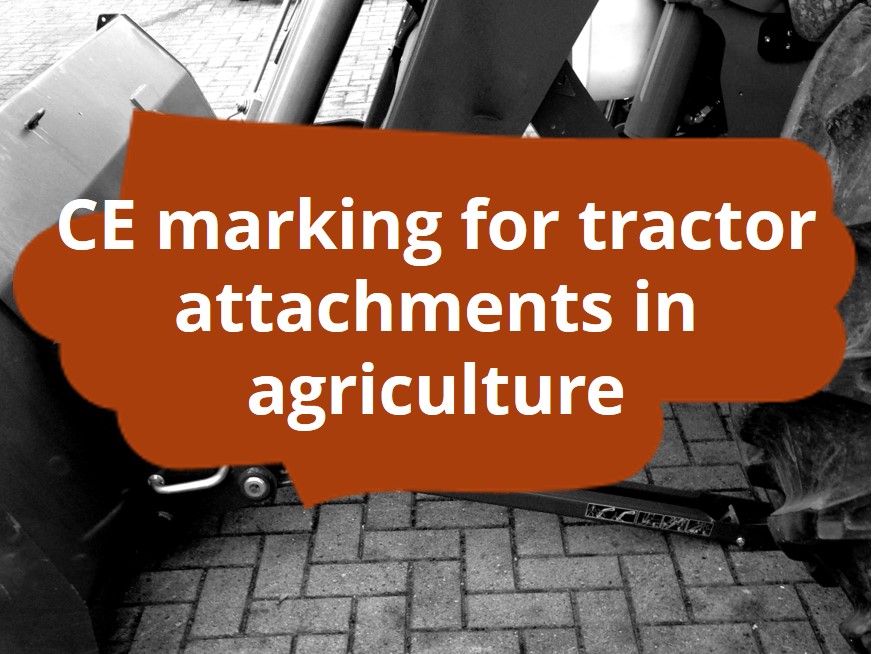
CE marking for agricultural and forestry tractor attachments
easyCE assesses tractor attachments, from risk assessment to a declaration of conformity ready to sign. The work considers heavy moving components at and above head height. Site observations of comparable equipment during assembly, operation and maintenance help identify the relevant access, movement and handling hazards.
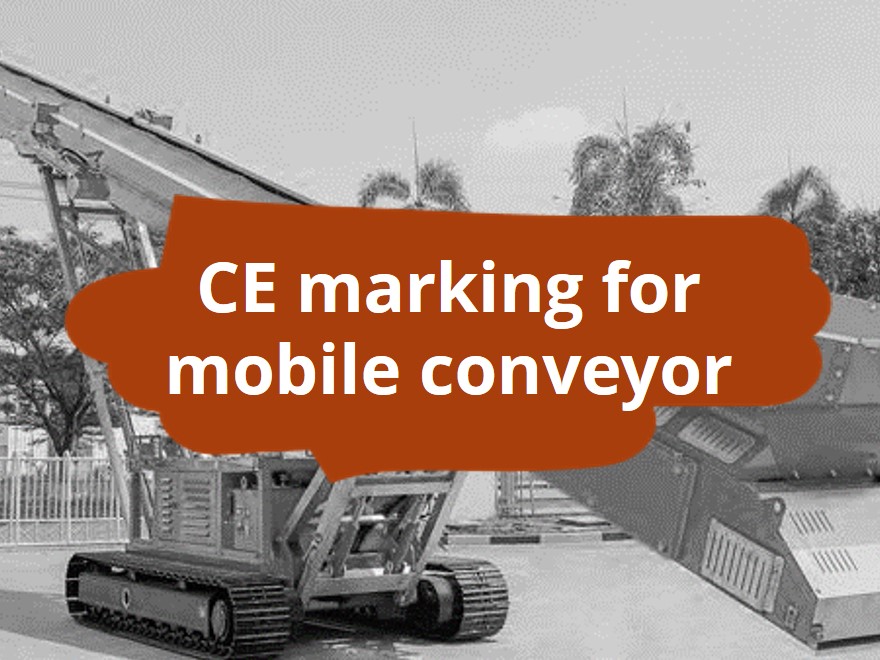
CE marking for mobile inclined conveyors
easyCE assesses mobile inclined conveyors used to move bulk materials to heights of up to 10 metres. The risk assessment focuses on stability, height adjustment and movement over uneven ground. We work with the manufacturer to identify hazards, assess protective measures and prepare the technical documentation.
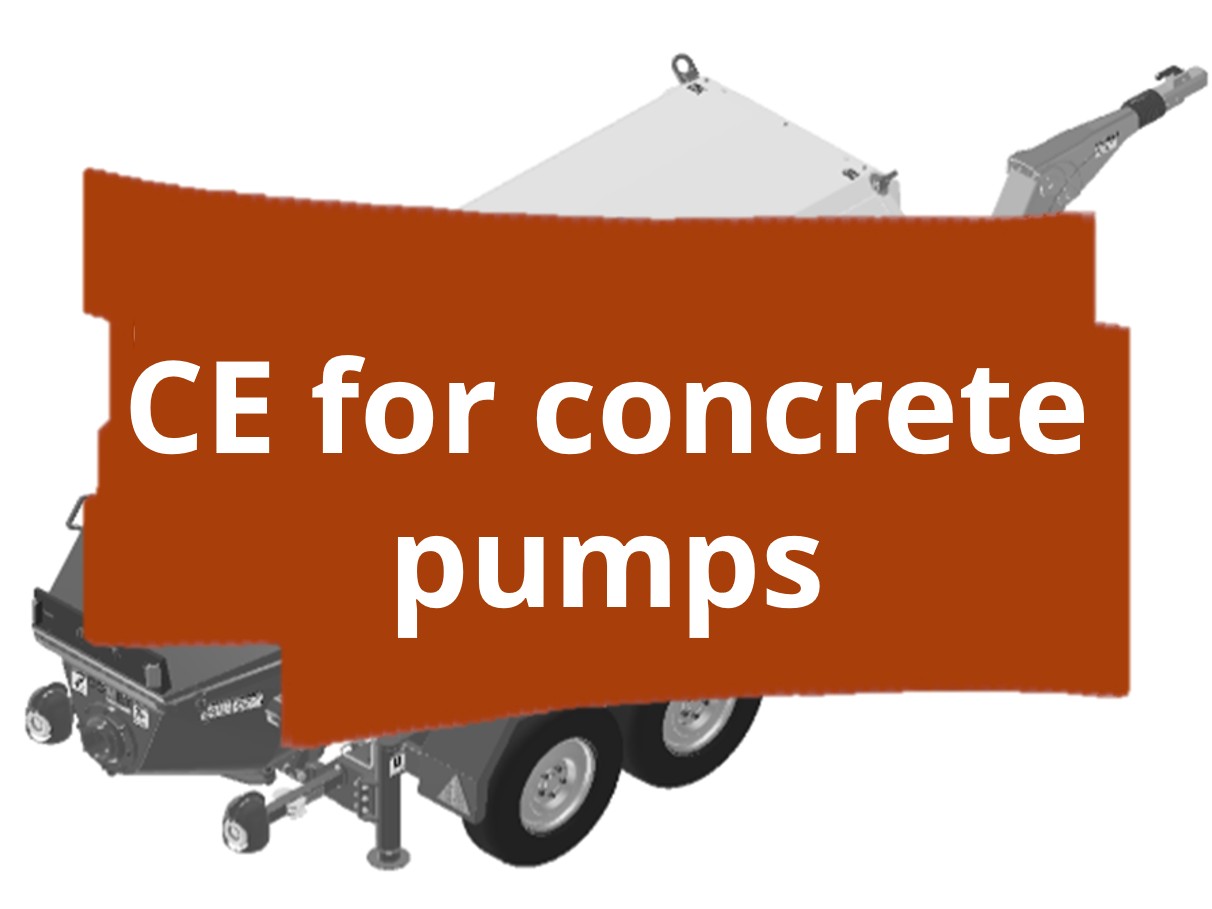
CE marking for trailer-mounted concrete pumps
easyCE assesses trailer-mounted concrete pumps for the European market. The work includes risk assessment, review of protective measures and preparation of the conformity documentation. Particular attention is given to machinery-specific requirements under EN 12001 and hydraulic-system safety under EN ISO 4413.
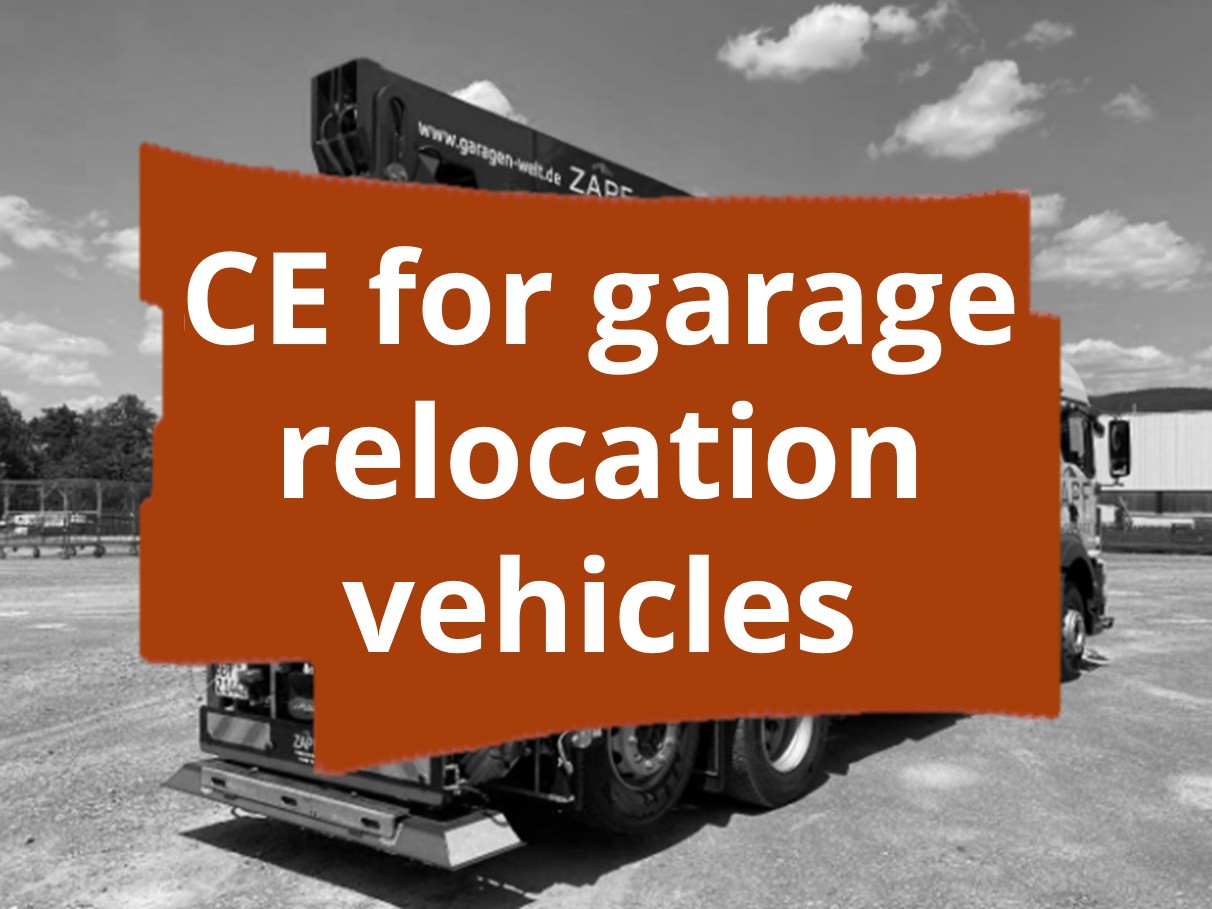
CE marking for garage relocation equipment
easyCE assesses the machinery on a specialist garage relocation vehicle with hydraulic lifting equipment. The work focuses on stability with off-centre loads and overload monitoring. Risk assessment under EN ISO 12100 supports the protective measures and technical documentation for the equipment.
Your CE project in three steps
Step 1
Get free initial advice
Speak to a CE expert free of charge about the requirements for your product. Simply tell us what your product does and where you need support.
Step 2
Receive your proposal
We explain the assessment route and propose the work your project needs. Discuss the scope and ask questions before deciding how to proceed.
Step 3
We get it done
Your dedicated CE expert carries out the agreed work and keeps you informed throughout the project. We remain available for follow-up questions; ongoing monitoring and updates are agreed separately.
Vehicle equipment. Expert conformity work.
Frequently asked questions
Which rules apply to vehicle-mounted machinery and test equipment?
The Machinery Directive 2006/42/EC can apply to machinery mounted on a vehicle and to vehicle test equipment. Other legislation, such as the EMC or Pressure Equipment Directive, may also apply depending on the product and the relevant exclusions.
Road-vehicle type approval, including the framework in Regulation (EU) 2018/858 where applicable, is separate from machinery CE marking. The Machinery Regulation (EU) 2023/1230 replaces the Machinery Directive from 20 January 2027. We identify the rules for the equipment and the base vehicle before starting the assessment.
Is vehicle-mounted equipment always complete machinery?
No. Classification depends on the equipment's design and function. Machinery may use a drive system on the base vehicle, but that fact alone does not decide whether it is complete or partly completed machinery.
Partly completed machinery cannot perform its intended specific application on its own and is intended for incorporation into other equipment. It requires relevant technical documentation, assembly instructions and a declaration of incorporation, not CE marking under the Machinery Directive alone. The completed machinery must meet the applicable requirements before it is placed on the market or put into service.
What does easyCE assess when machinery is fitted to a vehicle?
We assess the machinery and its interfaces with the base vehicle. The work includes identifying the applicable requirements, reviewing the product's intended use, assessing risks and preparing the agreed technical documentation.
Depending on the equipment, the assessment may address stability, loading, hydraulics, controls and access during operation and maintenance. Requirements for vehicle approval, registration and road use must also be addressed through the appropriate process. We identify those interfaces so the machinery assessment and vehicle-approval work can be coordinated.
Expertise in vehicle equipment

Willy Lebherz, Founder and Managing Director of easyCE
- Expert in product safety and compliance, since 1995
- Recipient of the "Medal of the Order of Merit of the Federal Republic of Germany", awarded in 1983 by the then Federal President Carl Carstens
- Meister qualification in measurement and control technology
- Captain (ret.), Project Officer for Technical Logistics in the Army Material Office and Chief of the Telecommunications Repair Company
easyCE specialises in product safety and conformity assessment. We combine engineering expertise with digital tools to help manufacturers, product users and distributors bring compliant products to market. We identify the applicable requirements, assess products, prepare technical documentation and coordinate tests.
Choose the full agreed assessment process or individual tasks, with a dedicated expert as your point of contact. Founded in southern Germany, we work with customers across Europe and worldwide.