CE marking for active implants done! With easyCE expert support.


Understand the requirements for active implantable medical devices and the transition from the former AIMDD to the MDR. easyCE helps you assess documentation gaps, organise risk and verification evidence, and prepare a structured technical file for the applicable conformity assessment.
THE EU DIRECTIVE 90/385/EEC ON ACTIVE IMPLANTABLE MEDICAL DEVICES
Willy Lebherz
Founder and Managing Director of easyCE GmbH
DoC ready to sign!
Receive the declaration for your review and signature once the required assessment and evidence are complete.
Risk assessment completed!
Identify product hazards, assess risks and document the necessary protective measures.
Applicable standards identified!
We check which harmonised standards support your device's applicable conformity route, distinguishing historical AIMDD references from current MDR references.
Technical documentation prepared!
Bring the assessment, supporting evidence and product instructions together in a structured technical file.
CE marking prepared!
Clarify the marking and information your product needs before it is placed on the market.
AIMDD has been replaced by the MDR.
Transitional provisions may still apply to eligible legacy devices. Learn about the Medical Devices Regulation (EU) 2017/745.
Active implantable medical devices. The essentials.
Requirements at a glance
Directive 90/385/EEC, the Active Implantable Medical Devices Directive or AIMDD, is the former EU framework. Regulation (EU) 2017/745, the Medical Devices Regulation or MDR, has applied since 26 May 2021. Certain legacy devices can continue under conditional transitional provisions; this is not a general extension for new products.
An active implantable device relies on a power source other than energy generated by the human body or gravity and is intended to remain in the body after implantation. Pacemakers and implantable defibrillators are examples. A passive implant is not an active implant merely because it remains in the body.
easyCE supports the regulatory assessment, risk management and technical documentation, including the link between requirements, design evidence and post-market information. We help prepare the material for your notified-body assessment. The manufacturer remains responsible for conformity, clinical evidence and the required regulatory processes.
Frequently asked questions
Which rules preceded the MDR?
The former framework comprised Directive 90/385/EEC for active implantable medical devices, Directive 93/42/EEC for other medical devices and Directive 98/79/EC for in vitro diagnostic devices.
The MDR replaced the AIMDD and MDD from 26 May 2021. The separate IVDR replaced the IVD directive from 26 May 2022. Conditional legacy-device provisions must be assessed under the relevant regulation.
What is an active implantable medical device?
It is an active medical device intended to be introduced wholly or partly into the body and to remain there after the procedure. Its operation depends on a source of energy other than the human body or gravity.
Typical examples include implantable pacemakers, cardioverter defibrillators and neurostimulators. Artificial joints, breast implants and bone screws are not examples of active devices solely because they are implanted.
How are active implants classified under the MDR?
The MDR uses Classes I, IIa, IIb and III. Active implantable devices and their accessories fall within Class III under the relevant classification rules.
Classification is based on the intended purpose and the rules in Annex VIII. Class III assessment involves a notified body, with detailed review of the quality management system and technical documentation.
What is the route to CE marking?
Start with the intended purpose, regulatory qualification and classification. Then establish the required quality management system, risk management, clinical evaluation and technical documentation before completing the applicable notified-body assessment.
- Identify the applicable general safety and performance requirements.
- Prepare design, verification, validation and clinical evidence.
- Establish post-market surveillance and vigilance processes.
- Appoint an authorised representative if the manufacturer is outside the EU.
- Complete the required conformity assessment, issue the EU declaration of conformity and apply the required marking.
An ISO 13485 certificate alone does not authorise CE marking.
What changed with the transition from AIMDD to MDR?
The MDR strengthens requirements for clinical evidence, risk management, post-market surveillance, traceability and technical documentation. Transition is a documented regulatory project, not simply a change of the directive number on a declaration.
- Map the device against the general safety and performance requirements in Annex I.
- Structure the technical documentation under Annexes II and III.
- Address UDI, implant information and implant cards where required.
- Establish post-market surveillance, clinical follow-up and periodic safety reporting appropriate to the device.
What should Class III technical documentation cover?
It should provide a coherent, current account of the device, its intended purpose, design, manufacture, risk management and evidence of safety and performance.
Annexes II and III specify the regulatory structure. Verification and validation, clinical evaluation and post-market surveillance must link to the device and its current configuration. Internal labels such as design history file do not replace the MDR content requirements.
Why is technical documentation a living document?
The file develops with the device. Design changes, new test results, clinical information, complaints and post-market findings can all affect the evidence supporting conformity.
Use controlled versions and a clear change history. Review the effects of new information on the risk assessment, clinical evaluation, instructions and any notified-body approvals before releasing a change.
How are verification and validation documented?
Verification demonstrates that design outputs meet the specified inputs. Validation demonstrates that the resulting device meets the requirements for its intended use.
Define acceptance criteria before testing, record the methods and results, and explain deviations. The evidence should identify the device version assessed and link back to requirements and risk controls.
What is post-market surveillance?
Post-market surveillance is the systematic collection and analysis of information about devices after they are placed on the market. It feeds back into risk management, clinical evaluation and product improvement.
Relevant information includes complaints, user feedback, vigilance reports, literature and post-market clinical follow-up. For Class III devices, the MDR requires a periodic safety update report, updated at least annually.
How should the evidence remain traceable?
Maintain clear links between the intended purpose, requirements, identified hazards, protective measures and verification or validation results.
Each claim should be supported by identifiable evidence for the relevant product version. A requirements matrix helps reviewers locate the documentation and understand the reasoning without relying on undocumented assumptions.
What structure does the MDR require for the technical file?
Annex II covers the device description, information supplied by the manufacturer, design and manufacturing information, general safety and performance requirements, benefit-risk analysis, risk management, and verification and validation.
Annex III adds the post-market surveillance documentation. This regulatory structure should guide the file even if the manufacturer uses different internal document names.
Which practical records support the technical file?
The evidence should reflect the device’s design and risks, rather than a generic checklist copied from another product.
- Design inputs, drawings, specifications and review records.
- Risk management records and traceability of risk controls.
- Component and material evaluations, including biocompatibility where relevant.
- Verification and validation of hardware, software and usability as applicable.
- Sterilisation, packaging and shelf-life evidence where applicable.
- Clinical evaluation and post-market follow-up information.
What other regulatory arrangements are required?
Manufacturers need an appropriately qualified person responsible for regulatory compliance, suitable notified-body involvement and, where established outside the EU, an authorised representative.
The conditions for the person responsible for regulatory compliance, including the arrangement available to micro and small enterprises, are set out in Article 15. For implantable devices, keep the technical documentation, declaration and relevant certificates for at least fifteen years after the last device has been placed on the market. Select a notified body whose designation covers the device and procedure.
Does RoHS apply to active implantable medical devices?
Directive 2011/65/EU expressly excludes active implantable medical devices from its scope.
This does not remove the MDR requirements for material safety or make other environmental legislation irrelevant. Assess the product and its accessories against the scope of each applicable framework.
How long can an AIMDD certificate remain relevant?
The former blanket deadline of May 2024 is no longer a reliable description. Eligible Class III legacy devices can benefit from the MDR transition until 31 December 2027, subject to the conditions in Article 120.
Conditions include continued compliance with the former directive, no significant change in design or intended purpose, no unacceptable risk, an MDR-compliant quality management system and a timely application and written agreement with an MDR notified body. The 2024 application and agreement deadlines have already passed. Eligibility must be evidenced for the individual device; the extension is not automatic for every certificate.
Which standards are relevant to active implants?
Relevant standards depend on the device and the assessment task. ISO 13485 addresses medical-device quality management, while ISO 14971 addresses risk management.
Product-specific standards, sterilisation standards, biocompatibility standards and software or usability standards may also be relevant. Check the applicable edition and current Official Journal citation before claiming a presumption of conformity. Standards are voluntary and do not replace the MDR requirements.
How should medical-device risks be managed?
Risk management is a continuous process covering hazards, risk estimation and evaluation, risk controls and information from production and post-production activities.
Use an appropriate documented method, such as the framework in ISO 14971, and evaluate the acceptability of residual risks and the overall benefit-risk balance. The old EN 1441 reference is not an appropriate current starting point for an MDR project.
How can an AIMDD file be brought into line with the MDR?
Begin with a gap assessment against the MDR requirements for the device and its intended purpose. Assign owners and evidence requirements to each gap.
- Confirm classification and any valid legacy-device transition.
- Update the requirements mapping, risk management and clinical evaluation.
- Complete technical documentation under Annexes II and III.
- Address labelling, UDI and implant information as applicable.
- Document post-market surveillance, vigilance and regulatory responsibilities.
- Agree the assessment scope and submissions with the appropriate notified body.
Trusted by companies across medical technology and diagnostics
Your compliance project. Expertly handled.
Scroll horizontally to compare the options.
Approach to CE marking
Flexibility of support
Scope of support
Project contact
A clear, practical approach to CE marking
Our experts guide you through CE marking, with support tailored to your needs
Choose the support you need: the full CE marking process or help with individual steps
From the start, you have a dedicated CE expert to support you throughout the process
Other CE service providers
Approach and project fit depend on the provider
Processes and flexibility depend on the provider
Scope agreed with the provider
Contact arrangements agreed for the project
CE software
A standardised workflow that your team adapts to the project
Your team manages the software and carries out the assessment
Features depend on the software and the modules purchased
Technical project support may require an additional service
Expertise that moves your project forward.
This is what successful projects look like.
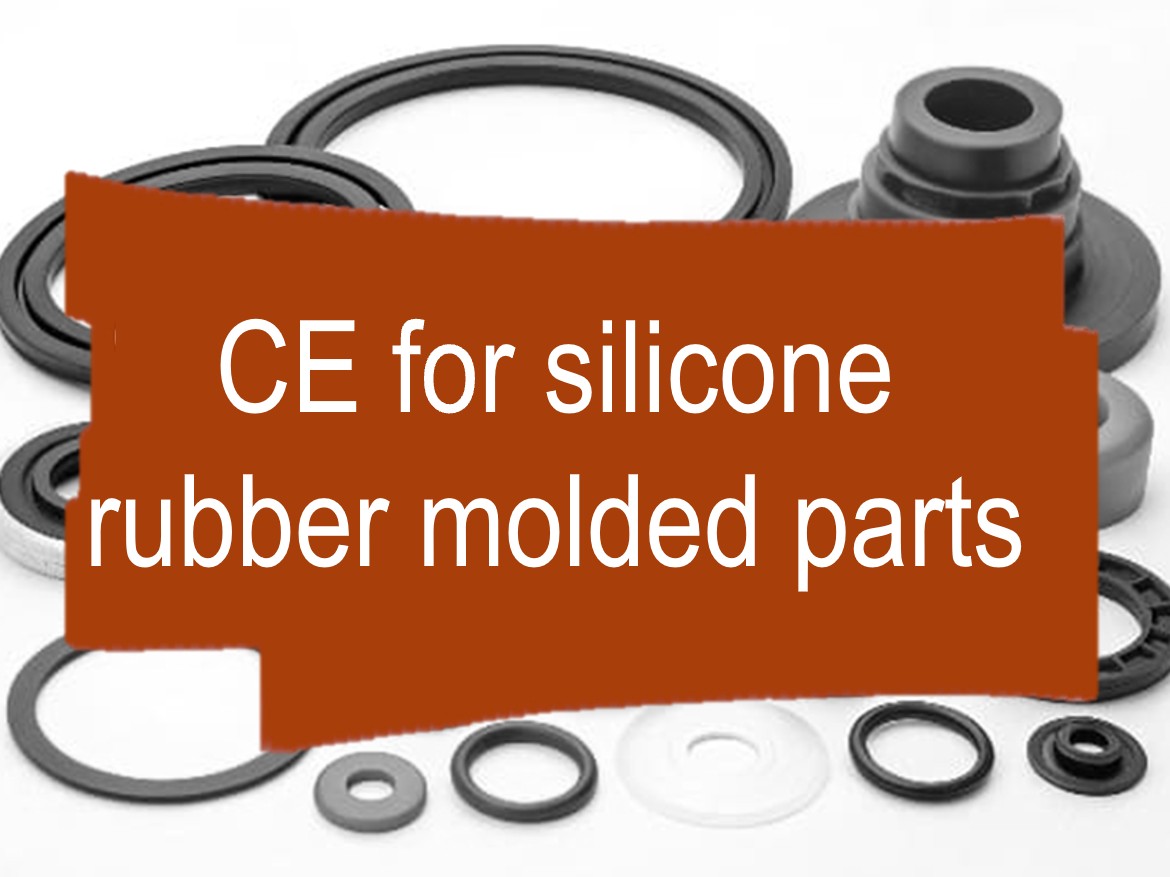
Product assessment for silicone rubber mouldings
easyCE reviews RTV silicone rubber mouldings intended for industrial applications. The work addresses material composition, reaction-to-fire evidence and emissions into indoor air. Different formulations require clear documentation of the intended use and relevant performance evidence; the applicable construction-product route depends on the product and its technical specification.
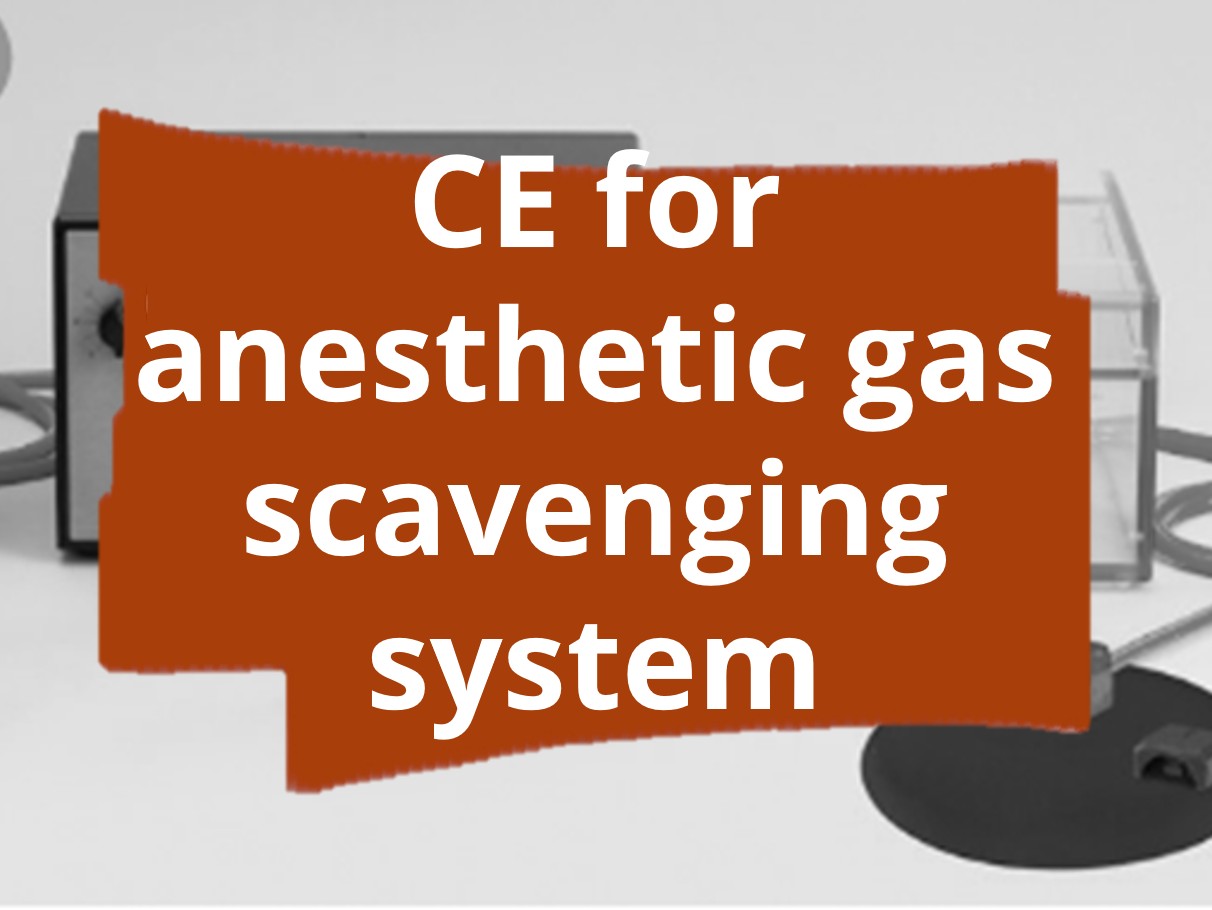
CE marking for an anaesthetic gas scavenging system
easyCE supported the conformity assessment and prepared a declaration ready to sign for an anaesthetic gas scavenging system. The assessment addressed the relevant safety and performance requirements in EN ISO 80601-2-13 and electrical safety with reference to EN 60601-1. The project included validation of gas extraction flow rates and documentation of the system's performance.
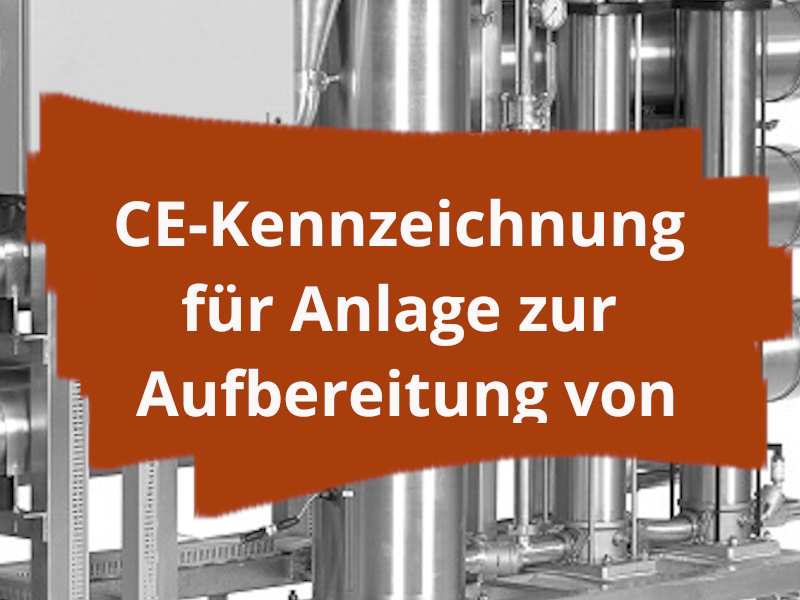
Conformity assessment for a dialysis water treatment system
easyCE supported the conformity assessment and prepared instructions for a permeate treatment system supplying water for dialysis equipment. The assessment considered the design measures and operating conditions needed to maintain water purity.
Technical requirements research for dental implants
easyCE researched technical requirements for a dental implant, including thread geometry, angles and material properties. The work addressed the information needed to assess design choices such as the use of titanium.
CE marking for horn spectacle frames and sunglasses
easyCE supported the conformity assessment of horn spectacle frames under the Medical Devices Regulation (EU) 2017/745 and sunglasses under the PPE Regulation (EU) 2016/425. We expanded the technical documentation, including the risk management and post-market surveillance plans.
Working with the customer, we reviewed the relevant general safety and performance requirements and the supporting design and manufacturing records.
We also assisted with the relevant registration processes, including EUDAMED actor registration for an SRN, the German DMIDS system and UDI assignment through IFA. These were separate tasks within the project.
Conformity documentation for a medical lubricant
In this historical project, easyCE assessed the requirements for a lubricant under the Medical Devices Directive 93/42/EEC and worked with the customer's existing quality management system. We prepared product-specific risk management records, hazard checklists, technical documentation and a declaration of conformity in German and English. The work also included documentation addressing the general safety and performance requirements in MDR Annex I.
Conformity assessment for a multi-drug test
easyCE reviewed the intended purpose of a multi-drug test and prepared the agreed conformity documentation. A test intended to examine human specimens for medical purposes is assessed under the IVDR; its classification depends on its intended use and the applicable rules. We prepared risk management and safety records, updated the technical documentation after design changes, coordinated with notified bodies and assisted with EUDAMED actor registration and UDI-related preparation.
CE marking for veterinary cauterisation devices
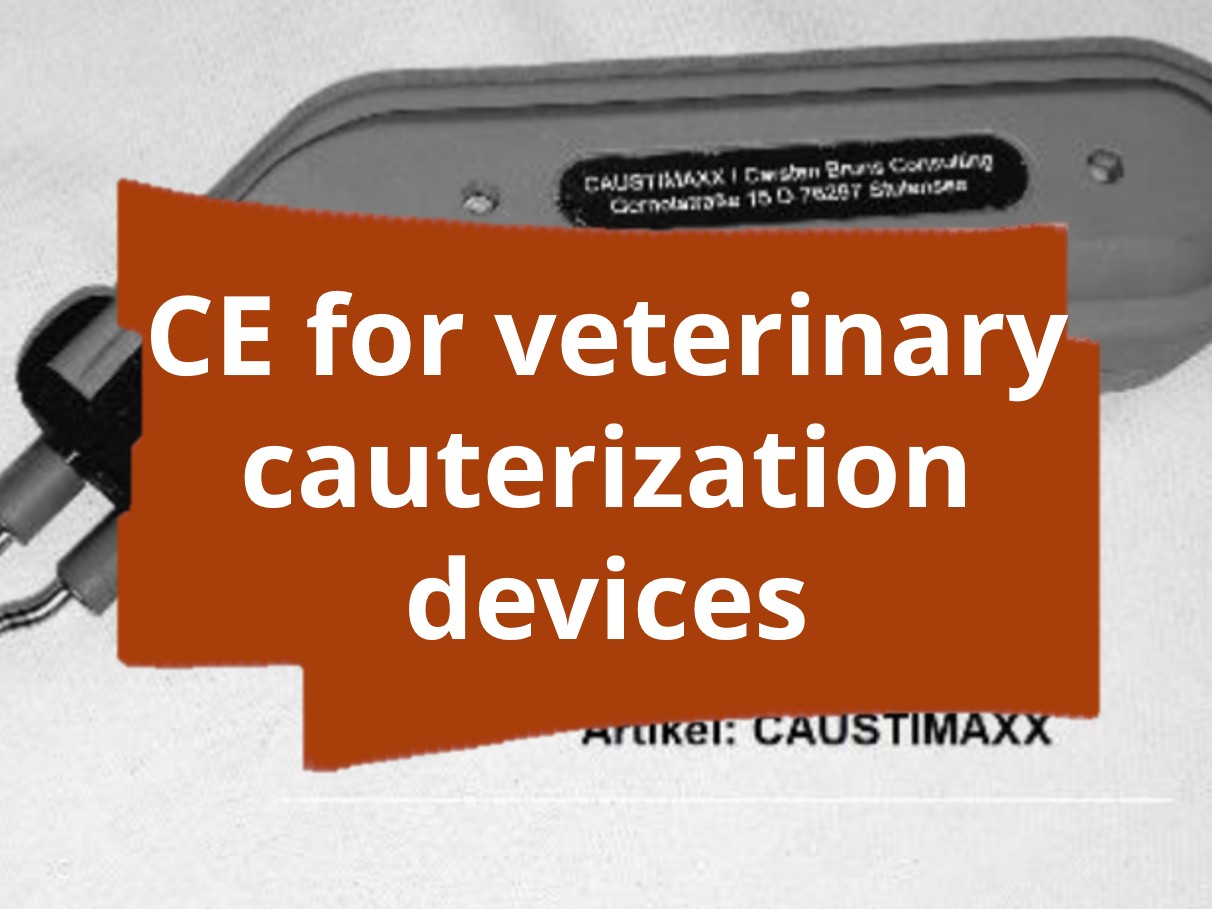
easyCE supported the conformity assessment of handheld veterinary cauterisation devices and prepared a declaration of conformity ready to sign. The project addressed electrical safety with reference to EN 60335-1 and electromagnetic compatibility, including shielding and interference suppression measures. EN 55014-1 was considered for emissions. Veterinary use does not itself bring a product within the human medical device regulations.
Expert support in three clear steps
Step 1
Free initial advice
Describe your product and tell us where you need support. We clarify the applicable requirements and the next steps in a free initial discussion.
Step 2
A clear project proposal
Receive a proposal with a defined scope, deliverables and responsibilities. Your easyCE expert explains the assessment process and the evidence your project needs.
Step 3
Expert delivery
Your dedicated expert coordinates the agreed assessment, documentation and supporting tasks. You receive a structured handover, with any remaining actions clearly identified.
Your compliance project. Expertly handled.
Engineering expertise you can rely on

Willy Lebherz, Founder and Managing Director of easyCE
- Expert in product safety and compliance, since 1995
- Recipient of the "Medal of the Order of Merit of the Federal Republic of Germany", awarded in 1983 by the then Federal President Carl Carstens
- Meister qualification in measurement and control technology
- Captain (ret.), Project Officer for Technical Logistics in the Army Material Office and Chief of the Telecommunications Repair Company
easyCE specialises in product safety and conformity assessment. We combine engineering expertise with digital tools to help manufacturers, machinery users and distributors bring compliant products to market. From risk assessment and identifying relevant standards to technical documentation and test coordination, we carry out the work your project needs. You can choose support for the full process or individual tasks, with a dedicated CE expert as your point of contact. Founded in southern Germany, we work with customers worldwide.
We understand the requirements that apply to your product and can help you work through them.