
 marking done.
Delivered by CE experts.
Our engineers turn product requirements into clear conformity documentation. From risk assessment to the declaration your product needs, ready to sign, you get expert delivery at every stage. Choose the full process or the specific tasks your project requires.
Willy Lebherz
Founder and Managing Director of easyCE GmbH

DoC ready to sign!
We prepare your declaration of conformity, or the appropriate performance declaration for construction products, ready for the responsible signatory.
Risk assessment completed!
We identify the hazards, assess the risks and define the protective measures your product needs.
Applicable standards identified!
We identify the relevant harmonised standards and check their scope, current references and any restrictions for your product.
Technical documentation prepared!
We compile the technical documentation and write clear, practical operating instructions.
Ready for CE marking!
We complete the agreed conformity work and clarify the final steps for signing the declaration and affixing CE marking.
Your role determines your CE marking responsibilities
Product manufacturers
Product owners and operators
Product exporters
Product importers
Your product. Your responsibility. Our expertise.
For products covered by CE marking legislation, the manufacturer is responsible for demonstrating conformity. Identify the applicable requirements early, assess the risks and prepare the required technical documentation, instructions and declaration.
Choose components that are suitable for their intended use and obtain the relevant supplier evidence. A CE mark on a component does not establish conformity of the finished product. Not every component requires its own CE marking.
easyCE carries out the assessment and documentation work your project needs, from individual tasks to the full process.
We work across machinery, construction products, production lines, energy systems, vehicle equipment, PPE, medical devices and consumer products and toys.
Know your responsibilities before putting a product into use.
As a product owner or user, check that the product is safe and suitable for its intended use. Review the relevant marking, instructions and conformity documentation before purchase or use. Where products are used at work, workplace safety obligations remain separate from the product conformity assessment.
Making products for your own use, combining them into a new system or substantially modifying a product can bring manufacturer responsibilities. Whether these responsibilities apply depends on the product category, the changes and the relevant legislation. Using or combining products does not automatically create a new CE marking obligation.
We review your product and supplier documentation, assess changes and integration risks, and prepare the conformity documents for the agreed scope.
Get the product and paperwork ready for your destination market.
Exporting a product does not, by itself, determine who is legally responsible for CE marking. For products entering the EEA, clarify the roles of the manufacturer, importer and any required EU-based economic operator before shipment.
Check the applicable product requirements, assessment route, marking and language requirements. CE marking is not a universal approval for markets outside the EEA; destination-market rules must also be considered.
easyCE identifies the relevant requirements, reviews the available evidence and prepares the agreed conformity documentation. We help you resolve gaps before they hold up your delivery.
Check conformity before importing your product.
Before placing products from outside the EEA on the EEA market, importers must fulfil the obligations set by the relevant product legislation. Check that the manufacturer has completed the required conformity assessment and that the marking, declaration, instructions and traceability information are correct.
Arrange access to the technical documentation for the authorities where required. The complete technical file does not normally have to travel with every product. Instructions must meet the destination market's language requirements. Selling under your own name or making relevant modifications can bring manufacturer responsibilities.
Our engineers review supplier documentation, identify missing evidence and carry out the agreed assessment and documentation work. You get a clear picture of what your product needs before it reaches the market.
Put your CE project in expert hands
Thousands of products. One expert partner.

























Your industry. Our expertise.
Your CE project. Expertly handled.
Swipe or scroll horizontally to compare all options.
Approach to CE marking
Flexibility of support
Scope of support
Project contact
A clear, practical approach to CE marking
Our experts guide you through CE marking, with support tailored to your needs
Choose the support you need: the full CE marking process or help with individual steps
From the start, you have a dedicated CE expert to support you throughout the process
Other CE service providers
Approach and project fit depend on the provider
Processes and flexibility depend on the provider
Scope agreed with the provider
Contact arrangements agreed for the project
CE software
A standardised workflow that your team adapts to the project
Your team manages the software and carries out the assessment
Features depend on the software and the modules purchased
Technical project support may require an additional service
We make CE marking simpler
Successful projects. Results that speak for themselves.
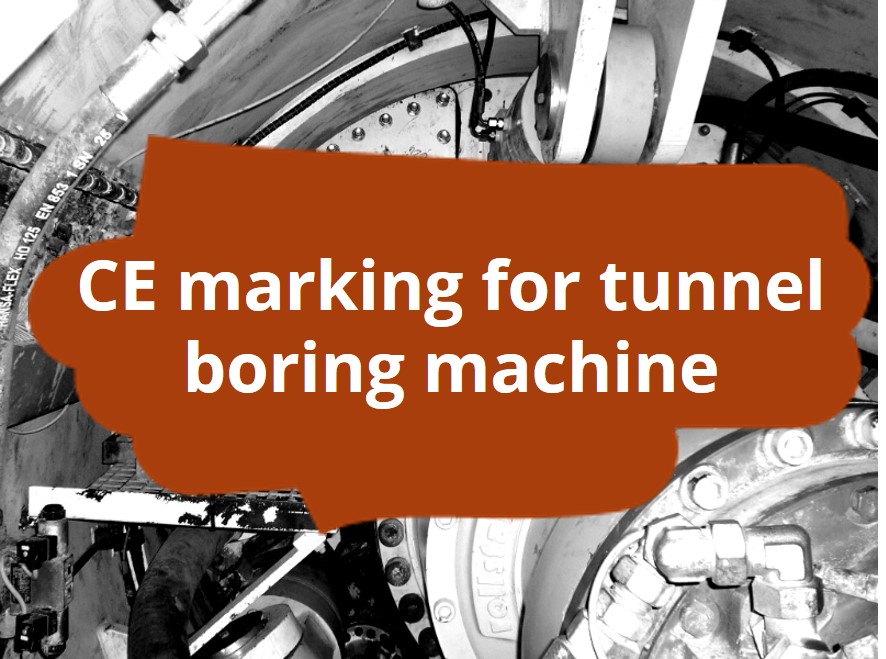
CE marking for a tunnel boring machine used in Australian copper mining
easyCE carries out the conformity assessment for a tunnel boring machine, including risk assessment across its lifecycle and preparation of a declaration of conformity ready to sign. The assessment focused on the new multi-arm cutting-head concept. The work also considered the applicable Australian safety and technical requirements, in close cooperation with the manufacturer and its Australian customer.
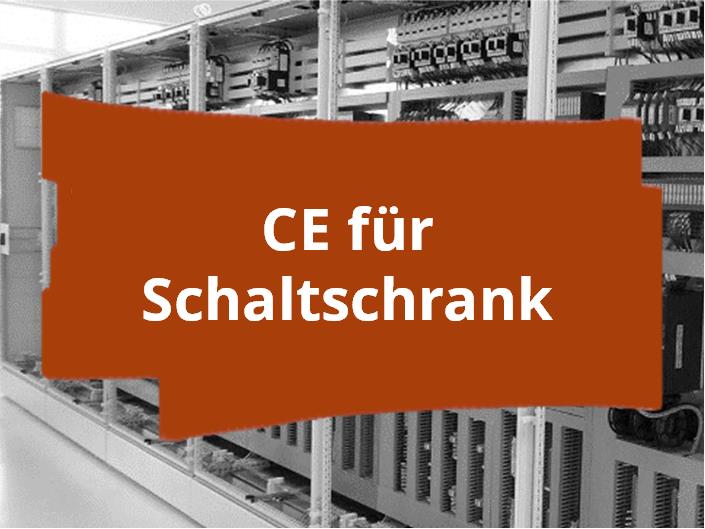
CE marking for control cabinets
easyCE supports the conformity assessment for control cabinets, including risk assessment and preparation of a declaration of conformity ready to sign. The assessment considered the Machinery, EMC and Low Voltage Directives, alongside DIN EN 60204-1:2019-06 and DIN EN IEC 61439-1:2021-10. The work also included a checklist to help select suppliers and components that meet the project's specific requirements.

CE marking for a mobile satellite communications system
easyCE supports the conformity assessment of a mobile satellite communications system, including risk assessment, EMC review and preparation of a declaration of conformity ready to sign. The system routes TCP/IP data redundantly through two or more satellite antennas. It is designed for rapid deployment where a mobile communications link is needed over long distances.
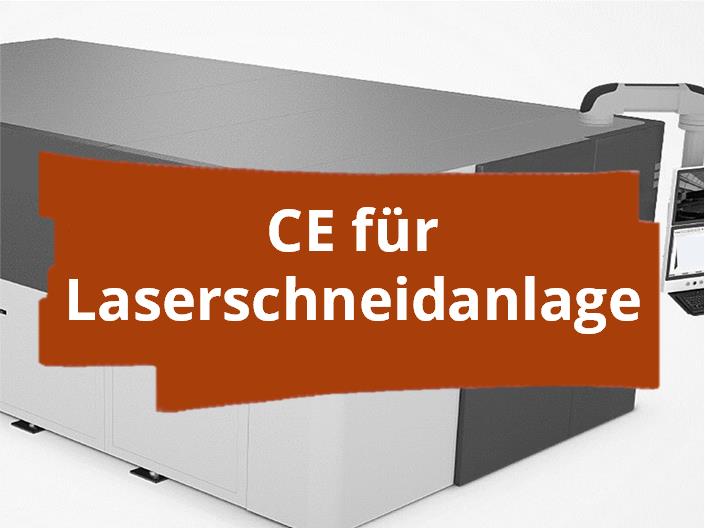
CE marking and declaration of conformity for a 2D laser cutting system
easyCE supports the full conformity assessment for a 2D laser cutting system with an automatic pallet changer. The work included coordinating the safety concept and two-beam light barrier, determining the performance level, analysing the product and carrying out a risk assessment in accordance with EN ISO 12100. Particular attention was needed for the cutting head's support structure and the movements of the pallet changer and cutting head. Laser protection screens, safety devices and a complete enclosure shield operators from the Class 4 laser cutting process inside the cabin, with Class 1 laser conditions outside the machine.
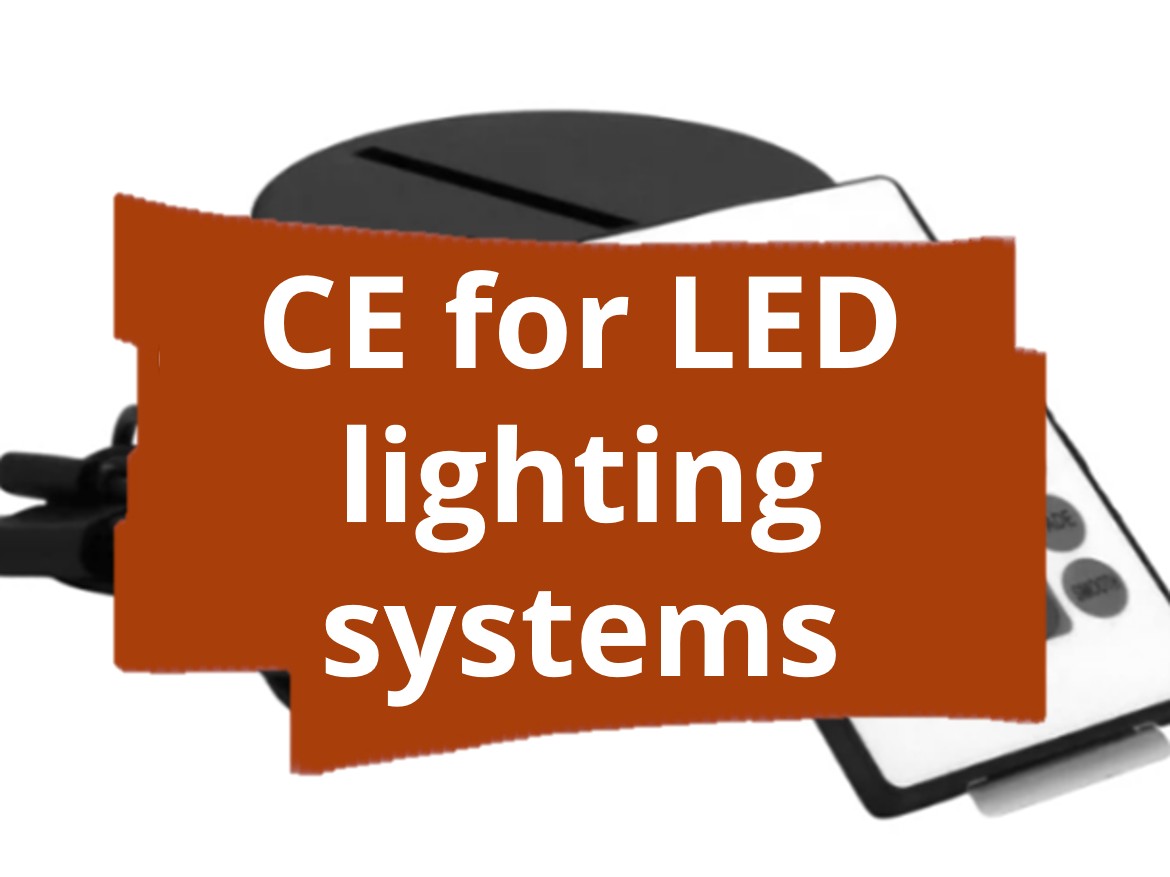
CE marking for adjustable LED lighting
easyCE supports the conformity assessment of adjustable LED lighting, including preparation of the declaration of conformity ready to sign. The assessment considers photobiological safety under EN 62471 and LED module safety under EN 62031. EMC testing with reference to EN 55015 takes account of the different brightness settings and flashing frequencies.
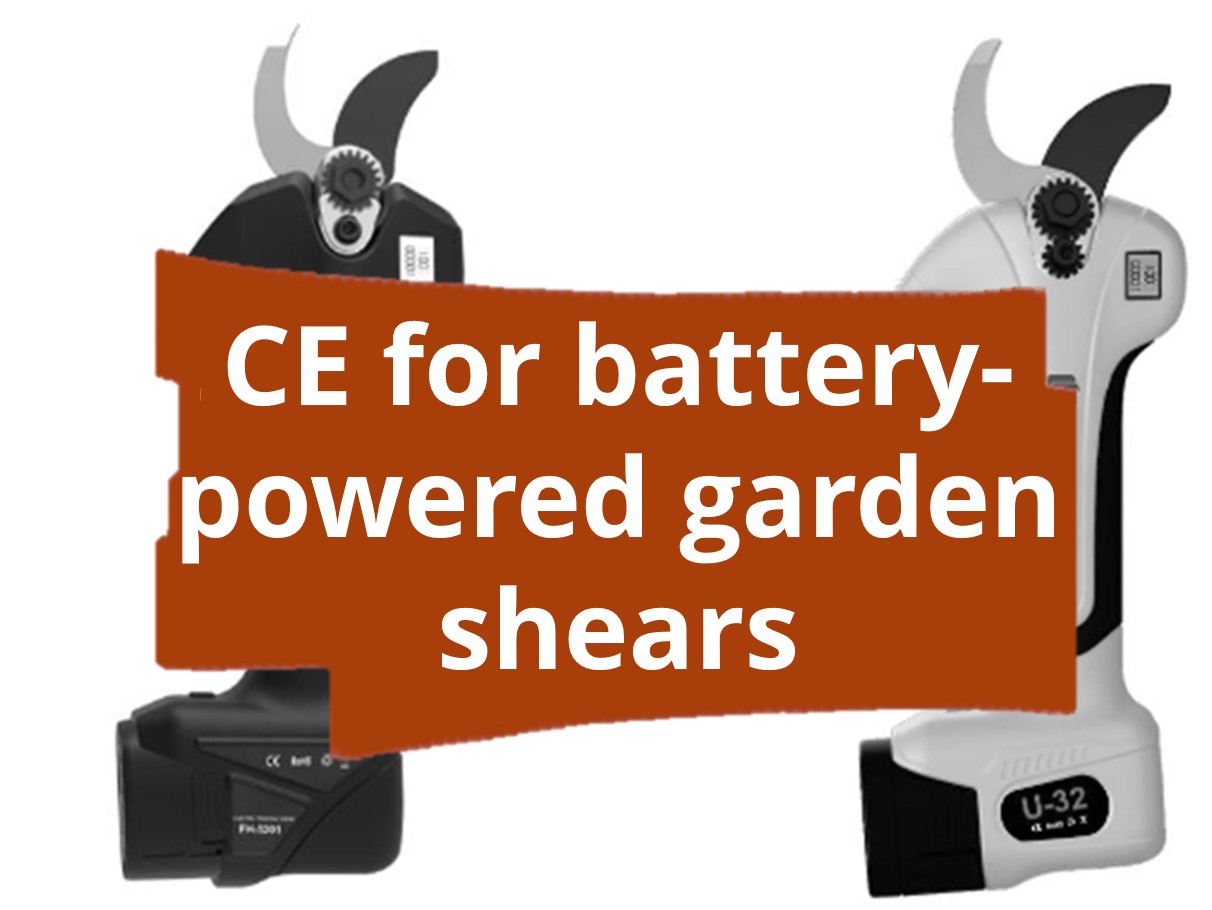
CE marking for battery-powered garden shears
easyCE supports the conformity assessment of battery-powered garden shears, including preparation of the declaration of conformity ready to sign. The project considers electrical safety with reference to EN 60335-1 and electromagnetic emissions under EN 61000-6-3. Battery-related work addresses overcharge and short-circuit protection. Restrictions on hazardous substances under RoHS are considered separately from battery safety.

CE marking for electronically controlled water treatment systems
easyCE supports the conformity assessment of water treatment systems with electronic controls, including preparation of the declaration of conformity ready to sign. The assessment considers electromagnetic emissions under EN 61000-6-3 and electrical safety under EN 60335-1. Further work examines leak protection, electrical isolation and the UV lamp and pump controls, with EN 60335-2-41 considered for the pump.
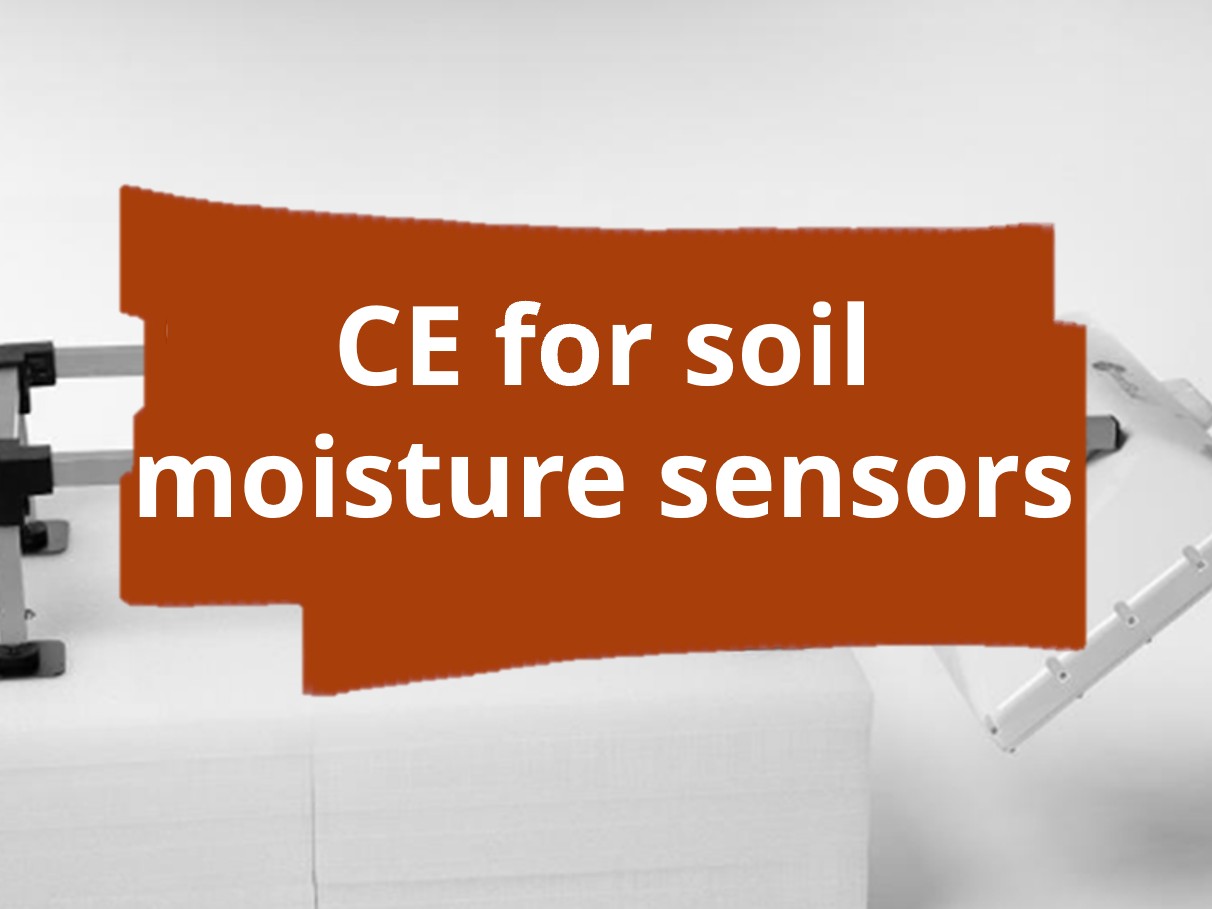
CE marking for wireless soil moisture sensors
easyCE supports the conformity assessment of soil moisture sensors using L-band microwave radiometry and a 2.4 GHz Wi-Fi and Bluetooth module. The assessment considers radio spectrum requirements under ETSI EN 300 328 and EMC requirements under ETSI EN 301 489-1. easyCE reviews the module evidence and the effects of integration on the finished sensor, then prepares the technical documentation and declaration of conformity ready to sign.

CE marking for small hydropower plants
easyCE supports the conformity assessment of hydropower systems, including preparation of the declaration of conformity ready to sign. Risk assessment under EN ISO 12100 addresses the integration of turbines, generators and hydraulic control systems, including the human-machine interface. The assessment also considers electrical equipment under EN 60204-1 and safe access for maintenance.

CE marking for solar parasol micro-inverter systems
easyCE supports the conformity assessment of solar energy systems with integrated micro-inverters and Wi-Fi connectivity, including preparation of the declaration of conformity ready to sign. The assessment considers electrical safety under EN 62109-1. EMC work covers residential emission requirements under EN 61000-6-3 and immunity requirements under EN 61000-6-1 for the grid-connected system.
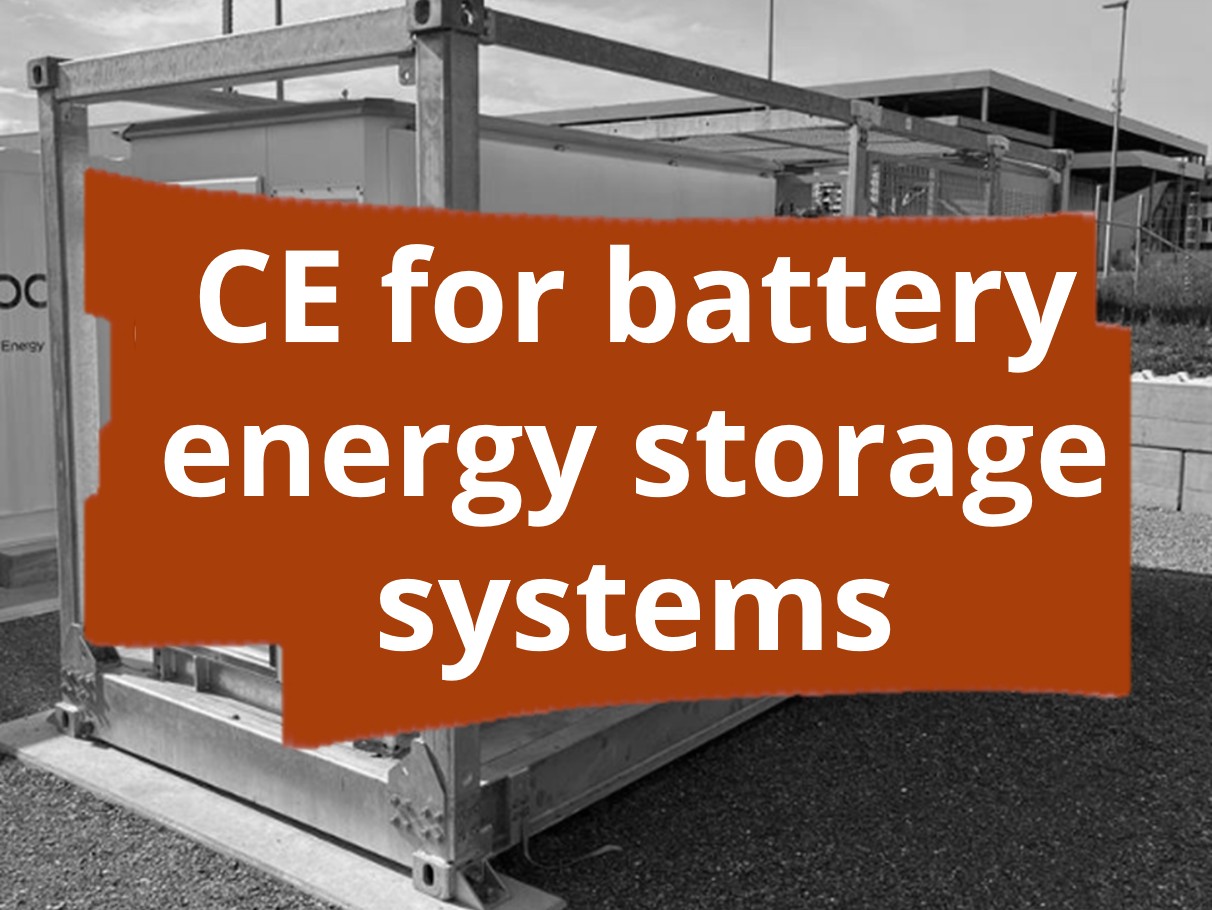
CE marking for stationary battery energy storage systems
easyCE supports the conformity assessment of stationary battery storage systems used to provide primary and secondary frequency control services, including preparation of the declaration of conformity ready to sign. The assessment considers industrial EMC immunity under EN 61000-6-2 and the system's electrical and battery-related hazards. The safety concept includes fire detection with two-detector confirmation and an automatic aerosol fire suppression system.
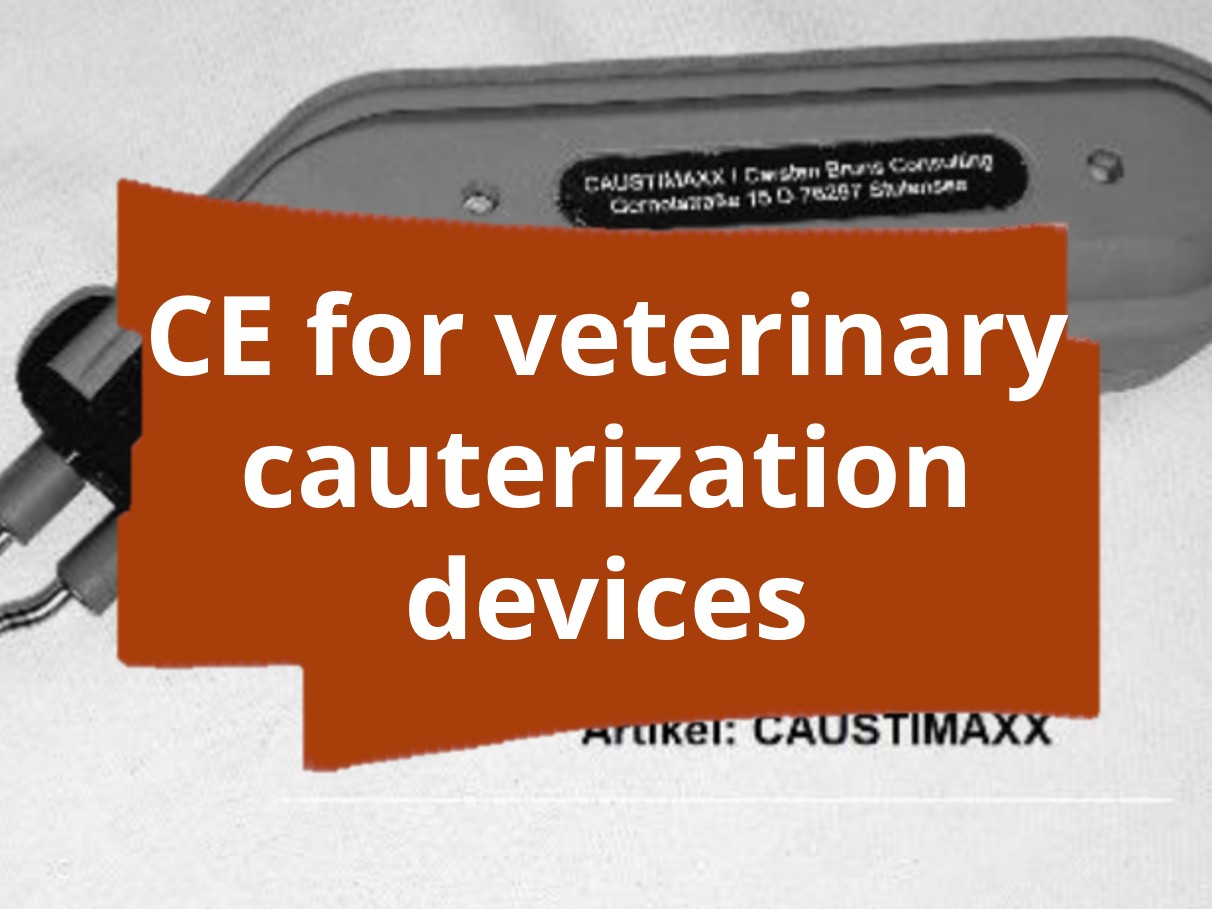
CE marking for veterinary cauterisation devices
easyCE supported the conformity assessment of handheld veterinary cauterisation devices and prepared a declaration of conformity ready to sign. The project addressed electrical safety with reference to EN 60335-1 and electromagnetic compatibility, including shielding and interference suppression measures. EN 55014-1 was considered for emissions. Veterinary use does not itself bring a product within the human medical device regulations.
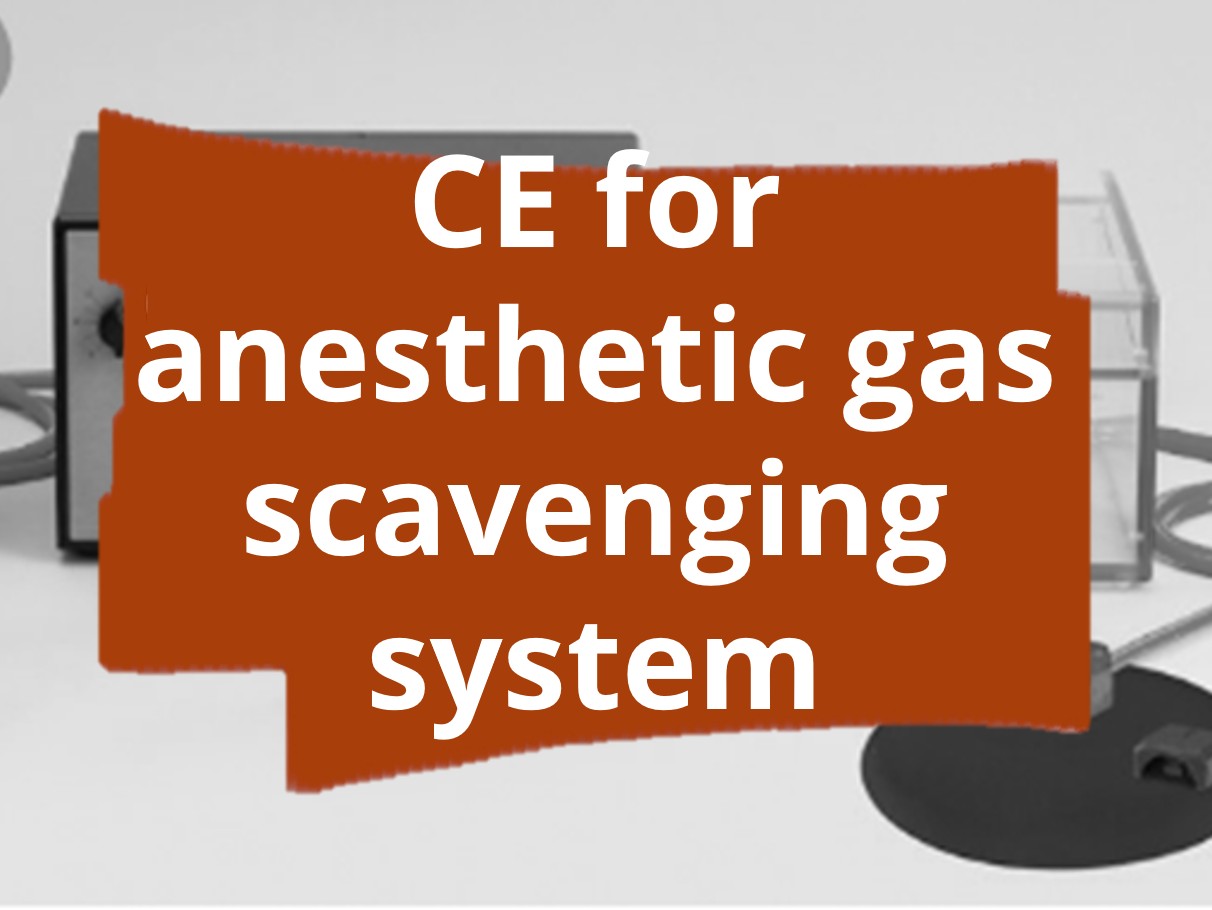
CE marking for an anaesthetic gas scavenging system
easyCE supported the conformity assessment and prepared a declaration ready to sign for an anaesthetic gas scavenging system. The assessment addressed the relevant safety and performance requirements in EN ISO 80601-2-13 and electrical safety with reference to EN 60601-1. The project included validation of gas extraction flow rates and documentation of the system's performance.

Product review for an everyday face covering
easyCE reviews the intended use, product classification and user information for an everyday face covering. The work focuses on making the product description and instructions consistent with the supporting evidence. Protective claims and the applicable assessment route must reflect the actual intended function.
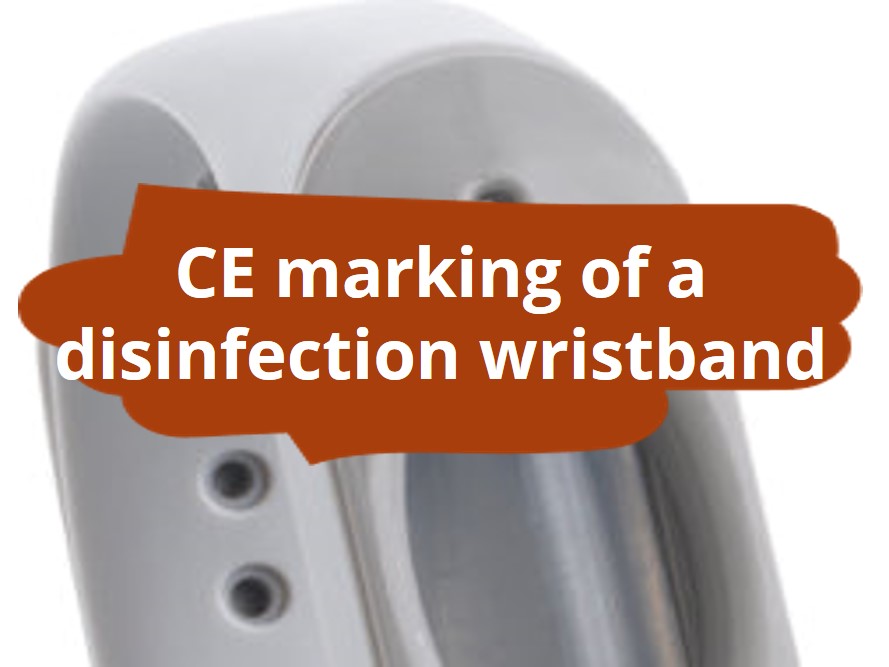
Product compliance review for a disinfectant bracelet
easyCE reviews product compliance and prepares user information for a wrist-worn disinfectant product. The work considers the intended use, handling and the evidence behind the product claims. A wearable format alone does not establish that a product is PPE or demonstrate protection against microorganisms.

CE marking for FFP2 respiratory protection
easyCE carries out the agreed conformity work for an FFP2 particle-filtering half mask, including instructions and the technical documentation. The project considers EN 149:2001+A1:2009 and the PPE Regulation. We coordinate the required notified-body work and organise test reports for the Category III assessment route.
CE marking for hearing protection with audio functions
easyCE prepares the agreed conformity documentation for hearing protection with integrated audio functions. The work considers passive attenuation under EN 352-1 and the audio-output requirements of EN 352-8. The assessment addresses the protective function alongside the applicable requirements for the integrated electronics.

Toy safety assessment for wood-plastic composites
easyCE assessed wood-plastic composite materials intended for consumer products and toys. The work addressed chemical migration and restricted substances, with reference to DIN EN 71-3 and EN 71-9, and documented the assessment. Material assessment alone does not establish that every product made from it is compliant or requires CE marking.
CE marking for automatic cat litter boxes
easyCE supported conformity assessment and prepared a declaration of conformity ready to sign for an automatic cat litter box. The project addressed electrical safety with reference to EN 60335-1, electromagnetic emissions with reference to EN 55014-1, and protection against unauthorised access through the Wi-Fi interface.

CE marking for wooden wall clocks
easyCE prepared conformity documentation and a declaration ready to sign for wooden wall clocks with electrical components. The project used a structured assessment of hazards and materials, including the restrictions on hazardous substances in electrical and electronic equipment under the RoHS Directive. The assessment used EN ISO 12100 as a method for identifying hazards.
CE marking for electric facial cleansing brushes
easyCE supported conformity assessment and prepared a declaration ready to sign for water-resistant facial cleansing brushes with LED technology. The assessment covered intended use, foreseeable hazards, water resistance and electromagnetic emissions. The project referred to EN ISO 12100, EN 61000-6-3 and EN 614-1 when assessing the design and supporting documentation.
Get started in three simple steps
Step 1
Get free initial advice
Tell us what your product does, where you are in the project and what you need help with. A CE expert will discuss the requirements and next steps with you, free of charge.
Step 2
Receive your proposal
We set out the work your project needs and provide a clear proposal. Discuss the scope, ask questions and choose the level of service that suits your business.
Step 3
We get it done
Your dedicated CE expert carries out the agreed work and stays with you throughout the process. After completion, your expert remains available for follow-up questions.
Ready to get CE marking done?
Frequently asked questions
Which products need CE marking?
CE marking is required only for products covered by EU legislation that specifically requires it. Your product's design, intended use and functions determine which rules apply. CE marking must not be affixed to products outside those rules, even though other safety requirements may still apply. easyCE identifies the applicable requirements and establishes the right conformity assessment route for your product before you invest in testing or documentation.
Which directives and regulations apply to my product?
A product can fall under several directives or regulations at the same time. Its functions, materials and intended environment determine the requirements. Depending on the product, these may include the RoHS Directive 2011/65/EU, the ATEX Directive 2014/34/EU and the EMC Directive 2014/30/EU. Electrical products may also fall within the Low Voltage Directive 2014/35/EU. easyCE checks each framework's scope and exclusions, then brings the applicable requirements together in one coordinated assessment.
Who is responsible for product conformity?
The manufacturer is responsible for demonstrating that the product meets the applicable requirements. Importers and distributors have their own duties, including checking the required marking and documentation. Selling a product under your own name or making significant changes can bring manufacturer responsibilities, depending on the applicable legislation.
Establish your role before ordering, modifying or supplying the product. That determines which assessments, documents and traceability information you must provide or verify. easyCE clarifies your responsibilities and carries out the assessment and documentation your project needs, including preparation for CE marking where required.
What happens if a product is modified or rebuilt?
A modification can affect a product's safety, intended use or compliance. Whether a new conformity assessment is needed depends on the changes, their effect on risks and the applicable legal requirements. A repair or replacement does not automatically trigger a new CE marking process.
Review changes to materials, components, software, performance and protective measures against the original assessment. Existing test reports may no longer cover the modified product. easyCE assesses the changes, identifies any additional evidence needed and updates the relevant documentation.
What documentation does my product need?
The documentation must show how your product meets the applicable requirements. Depending on the product, this includes a product description, design information, risk assessment, calculations, test reports and instructions. The required declaration and marking information also depend on the product legislation; there is no single document package that fits every product.
The evidence must match the actual product, including its variants and supplied components. easyCE reviews existing documents, prepares missing assessments and brings the technical evidence together. You receive a structured handover, including the applicable declaration ready for the responsible signatory once the required assessment is complete.
Which standards and tests does my product need?
Relevant standards and tests depend on your product's intended use, technologies and risks. A test plan for one product cannot simply be reused for another. Harmonised standards can provide a presumption of conformity for the requirements they cover when their references are published in the EU Official Journal, subject to any restrictions. easyCE selects the relevant standards, reviews existing test evidence and defines the additional assessments your product needs. Where specialist testing is required, we coordinate it with a suitable laboratory.
Where can I find more answers about CE marking?
Visit our CE marking FAQ for guidance on responsibilities, risk assessment and affixing the CE marking. For questions about your own product, contact easyCE for clear advice on the next steps.
What is the difference between CE marking and CE certification?
CE marking is not a universal third-party certificate. The applicable product legislation determines the assessment procedure and whether a notified body must be involved.
A certificate may form part of the required evidence, but it does not replace the manufacturer's responsibility for compliance. easyCE carries out the agreed assessment and documentation work and coordinates with a notified body where required. We do not issue a universal "CE certificate".
What is the difference between CE marking and CE testing?
Testing can be an important part of conformity assessment, but it is not the whole process. A test report alone does not establish compliance with every requirement applicable to a product.
easyCE identifies the assessments and tests your product needs, reviews the available evidence and prepares the technical documentation. Where specialist testing is required, we coordinate the work with a suitable laboratory.
What is the difference between CE marking and CE approval?
CE marking is not a general approval issued by a central EU authority. It indicates that the manufacturer has met the applicable CE marking requirements.
The required assessment, declarations and any third-party involvement depend on the product. easyCE establishes the relevant process and prepares the evidence and documentation needed before the product is placed on the market or put into service, where applicable.
What is the difference between CE marking and CE acceptance?
A customer's acceptance of a delivered product is different from CE compliance. A contractual acceptance inspection does not replace the required conformity assessment.
easyCE reviews your product's compliance status, identifies missing evidence and completes the agreed documentation work. We also help you prepare clear technical answers when a customer raises questions about CE marking.
Trust the experts in product safety and compliance

Willy Lebherz, Founder and Managing Director of easyCE
- Expert in product safety and compliance, since 1995
- Recipient of the "Medal of the Order of Merit of the Federal Republic of Germany", awarded in 1983 by the then Federal President Carl Carstens
- Meister qualification in measurement and control technology
- Captain (ret.), Project Officer for Technical Logistics in the Army Material Office and Chief of the Telecommunications Repair Company
easyCE specialises in product safety and conformity assessment. Our engineers combine technical expertise with digital tools to get your CE work done. We carry out risk assessments, identify applicable requirements, prepare technical documentation and coordinate the necessary tests. Choose the complete process or individual tasks, with a dedicated CE expert as your point of contact. Founded in southern Germany, we work with customers worldwide.
You focus on your product. We take care of the conformity work.