
 MARKING FOR ELECTRICAL EQUIPMENT DONE! WITH SUPPORT OF EASYCE
Bring your electrical equipment to market with expert conformity assessment. easyCE identifies the applicable requirements, assesses product risks and coordinates testing. We prepare your technical documentation and EU declaration of conformity, ready to sign. Choose the complete CE marking process or the specific engineering tasks your project needs.
Willy Lebherz
Founder and Managing Director of easyCE GmbH
DoC ready to sign!
We prepare your EU declaration of conformity, ready for the responsible signatory.
Risk assessment completed!
We assess the electrical, thermal and other relevant risks of your product.
Applicable standards identified!
We identify the relevant harmonised standards and check their scope, current references and any restrictions for your product.
Technical documentation created!
We prepare the technical documentation and clear, practical instructions for your equipment.
Ready for CE marking!
Once conformity is demonstrated, the responsible manufacturer signs the declaration and affixes the CE marking.
Electrical equipment: CE essentials
CE marking for electrical equipment
The CE marking process
RoHS and restricted substances
Radio equipment and RED
Electromagnetic compatibility
Why choose easyCE?
Missing or incorrect CE marking
Our electrical engineers assess your equipment against the applicable CE requirements. We identify the relevant legislation, assess product risks and prepare the technical documentation and declaration of conformity.
Depending on the design and intended use, relevant rules include the EMC Directive 2014/30/EU, Radio Equipment Directive 2014/53/EU, Low Voltage Directive 2014/35/EU and RoHS Directive 2011/65/EU. Not every electrical product falls under every directive. For example, radio equipment follows RED requirements for safety and EMC, while the Low Voltage Directive has defined voltage limits.
We establish the correct scope before the assessment starts, including the requirements for the complete product and its components.
The manufacturer is responsible for the conformity assessment of the electrical equipment. We carry out the agreed engineering and documentation work, from product analysis and risk assessment to the selection of standards and coordination of tests.
The technical documentation records the design, applicable requirements, assessments and supporting evidence. Once conformity has been demonstrated, the responsible manufacturer issues the EU declaration of conformity and affixes the CE marking.
We prepare your declaration ready to sign and identify the instructions, identification details and other information that must accompany the product.
The RoHS Directive 2011/65/EU restricts specified hazardous substances in electrical and electronic equipment within its scope. Exclusions and exemptions must be checked for the actual product and application.
We review the product, components and supplier evidence, identify documentation gaps and coordinate any additional assessment or testing needed. This work supports the technical documentation and EU declaration of conformity; a separate third-party RoHS certificate is not a general requirement.
Read our detailed guidance on the RoHS Directive in German.
Products with radio functions, such as Wi-Fi or Bluetooth, may fall under the Radio Equipment Directive 2014/53/EU. The assessment addresses health and safety, electromagnetic compatibility and effective use of the radio spectrum. Additional requirements, including applicable cybersecurity provisions, depend on the product.
We review the radio modules, antennas, frequencies, power levels and intended use as part of the finished product. We identify the required evidence and tests, including an appropriate radio-frequency exposure assessment. A specific SAR calculation is not required for every radio product.
We prepare the agreed technical documentation and EU declaration of conformity. Read more about the Radio Equipment Directive in German.
Electromagnetic compatibility concerns both emissions and immunity: equipment must not create unacceptable interference and must have adequate immunity for its intended environment. This does not mean that it can never experience or cause any disturbance.
We define the relevant operating conditions and configurations, coordinate EMC testing and assess the results for the technical documentation and EU declaration of conformity. For radio equipment, the applicable EMC requirements form part of RED.
Fixed installations have a distinct regime under the EMC Directive and do not receive CE marking under that directive as a whole. Read more about the EMC Directive in German.
easyCE combines electrical engineering expertise with efficient digital workflows. We identify the applicable rules, assess the product, coordinate testing and prepare the technical documentation and declaration of conformity.
You choose the scope: the full CE marking process or individual tasks. Your dedicated CE expert provides a clear point of contact for technical decisions, documentation and the next steps.
Whether you are developing a new device or modifying an existing product, we turn the applicable requirements into a defined assessment and documentation plan. Your team can focus on development while we complete the agreed engineering tasks.
Electrical equipment within the scope of CE-marking legislation must meet the applicable requirements before it is placed on the market. Missing or incorrect marking, an incomplete declaration, inadequate documentation or a safety defect can require corrective action.
Depending on the problem, authorities may restrict sales, order withdrawal or recall, or impose penalties under national law. Manufacturers, importers and distributors have different responsibilities and must act when they identify non-conforming products.
Harmonised standards are generally voluntary. A manufacturer using another technical solution must still demonstrate that the applicable requirements are met. We review the product and evidence, identify gaps and prepare the agreed corrective work. Relevant legislation may include the Low Voltage Directive and EMC Directive.
Discuss your CE project
Trusted by leading businesses























Your role. Your CE responsibilities.
Electrical equipment manufacturers
Electrical equipment owners and operators
Electrical equipment exporters
Electrical equipment importers
Manufacturers are responsible for ensuring that electrical equipment meets the applicable requirements before it is placed on the market. Consider product safety, EMC and any radio or substance restrictions early in development.
Assess the finished product and its intended environment. CE-marked components and module documentation are useful evidence, but they do not automatically establish conformity of the complete equipment. Provide the required product identification, instructions and safety information in the appropriate languages.
We carry out the agreed product analysis and risk assessment, coordinate tests, review supplier evidence and prepare the technical documentation and declaration of conformity ready to sign.
Owners and employers must keep electrical equipment suitable and safe for use. CE marking does not replace workplace risk assessments, maintenance or inspections. Older equipment does not automatically need retrospective CE marking.
Combining equipment, modifying a product or constructing equipment for your own use requires a product-specific assessment. Manufacturer obligations depend on the legislation and the nature of the activity; they do not arise identically under every electrical directive.
We review the equipment, its intended use and available documentation, then identify the conformity and workplace safety steps needed.
Export requirements depend on the destination market and your role in the supply chain. Exporting a product does not automatically make you its manufacturer, and conformity duties cannot simply be reassigned by a sales contract.
Before supplying equipment to the EEA, establish who is the manufacturer and importer and how the required documentation and product information will be provided. For other destinations, including the UK, we identify the relevant market access requirements.
We prepare or review the agreed conformity documentation, from product and risk assessments to instructions and the declaration of conformity.
Importers placing electrical equipment from outside the EEA on the EEA market must check that the manufacturer has completed the applicable conformity assessment. They must also fulfil the importer duties under the legislation that applies to the product.
Check the marking, declaration, product identification, instructions and safety information before supply. Ensure that the manufacturer can make the technical documentation available to authorities when required. Placing the product under your own name or modifying it in a way that affects conformity can bring manufacturer responsibilities.
We review the supplied evidence, identify missing information and carry out the agreed assessment and documentation work.
Your CE project. Expertly handled.
Swipe or scroll horizontally to compare all options.
Approach to CE marking
Flexibility of support
Scope of support
Project contact
A clear, practical approach to CE marking
Our experts guide you through CE marking, with support tailored to your needs
Choose the support you need: the full CE marking process or help with individual steps
From the start, you have a dedicated CE expert to support you throughout the process
Other CE service providers
Approach and project fit depend on the provider
Processes and flexibility depend on the provider
Scope agreed with the provider
Contact arrangements agreed for the project
CE software
A standardised workflow that your team adapts to the project
Your team manages the software and carries out the assessment
Features depend on the software and the modules purchased
Technical project support may require an additional service
We make CE marking simpler
Successful projects. Results that speak for themselves.
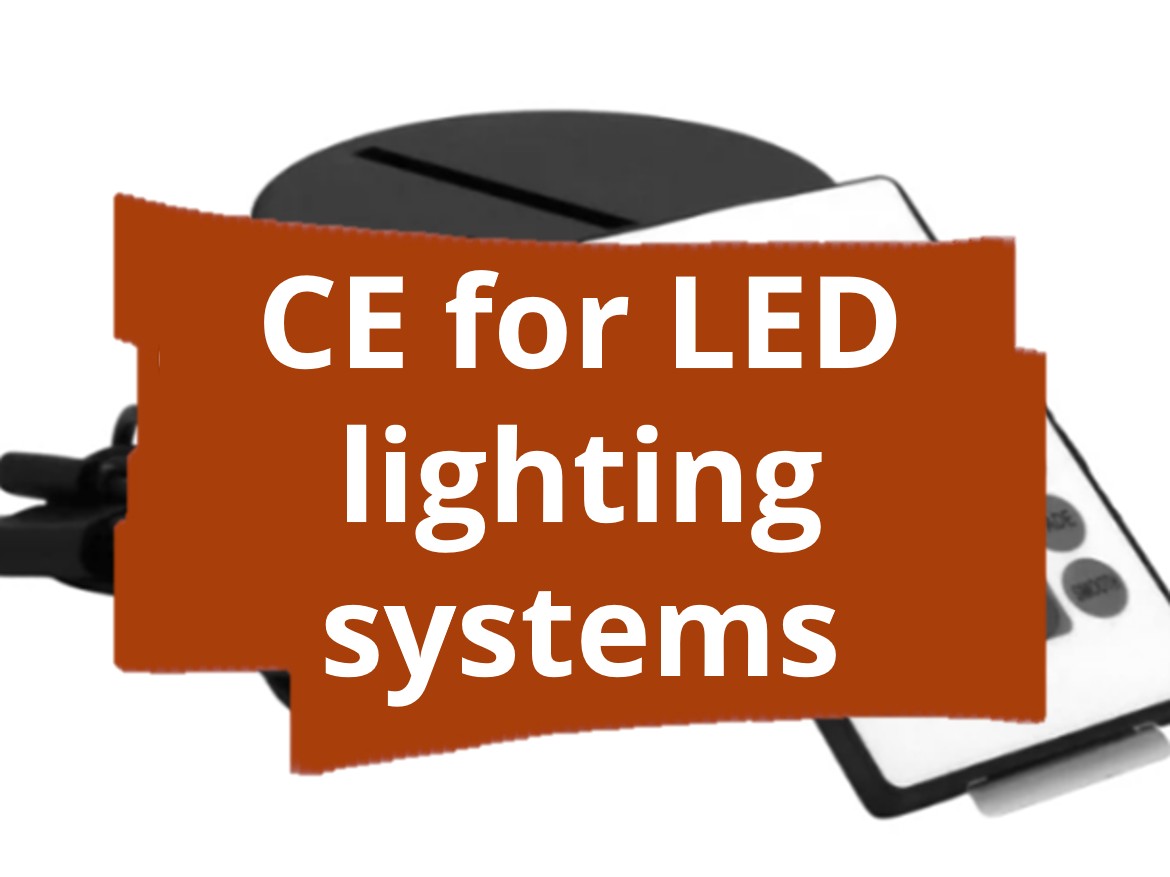
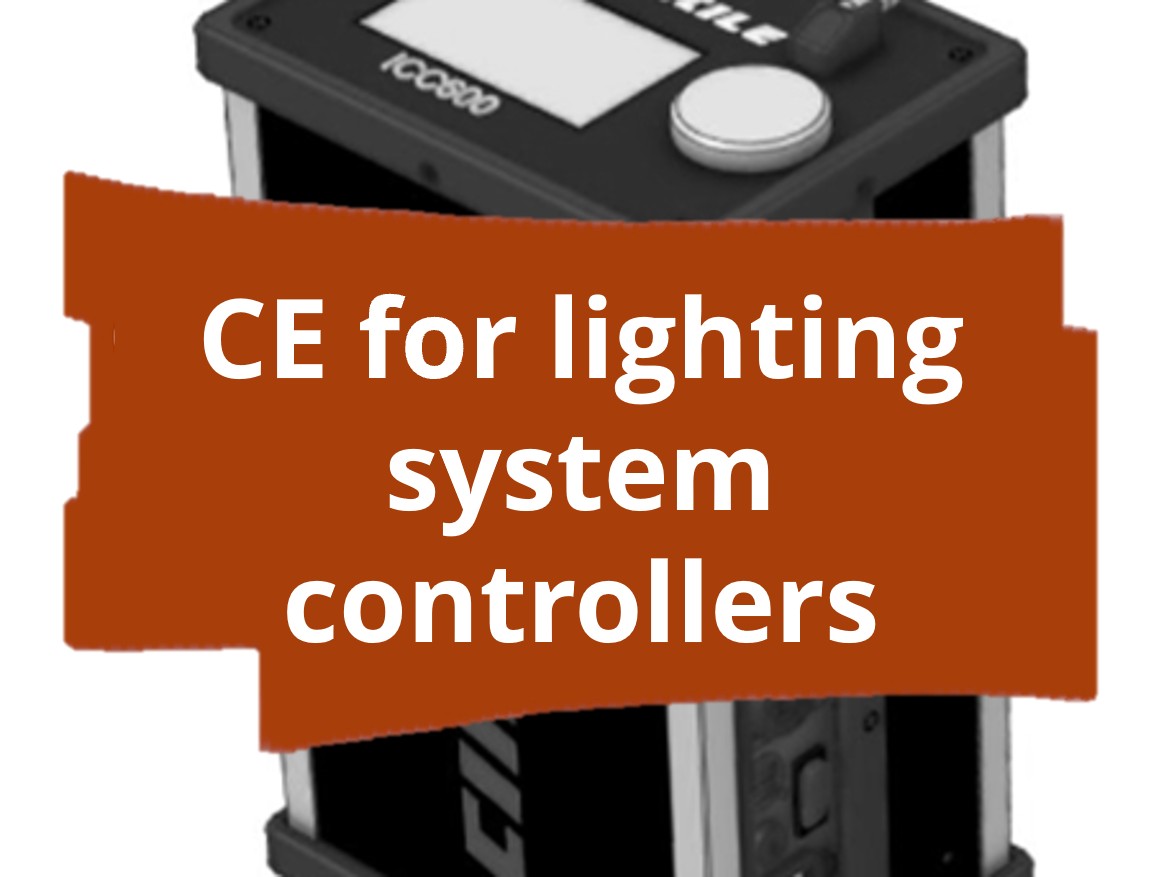
CE marking for film and photography lighting control gear
easyCE supports the conformity assessment of control gear for specialist film and photography lighting, including preparation of the declaration of conformity ready to sign. The assessment covers electromagnetic compatibility with reference to EN 55015 and the safety of electronic control gear for LED modules under EN 61347-2-13. Overheating protection and the power supply arrangement are assessed with reference to EN 60598-1.
CE marking for decorative wooden lamps
easyCE supports the conformity assessment of handcrafted wooden lamps with integrated electrical components, including preparation of the declaration of conformity ready to sign. The assessment considers the thermal load on the wooden body and electrical safety with reference to EN 60598-1. Further work covers insulation, cable strain relief and clear marking of the permitted lamp power.

CE marking for cordless band saws
easyCE supports the conformity assessment of battery-powered, hand-held band saws for metalworking, including preparation of the declaration of conformity ready to sign. The project considers the safety requirements of EN 60745-1 and EN 60745-2-20. Risk assessment in accordance with EN ISO 12100 identifies hazards during cutting and informs the selection of protective measures.
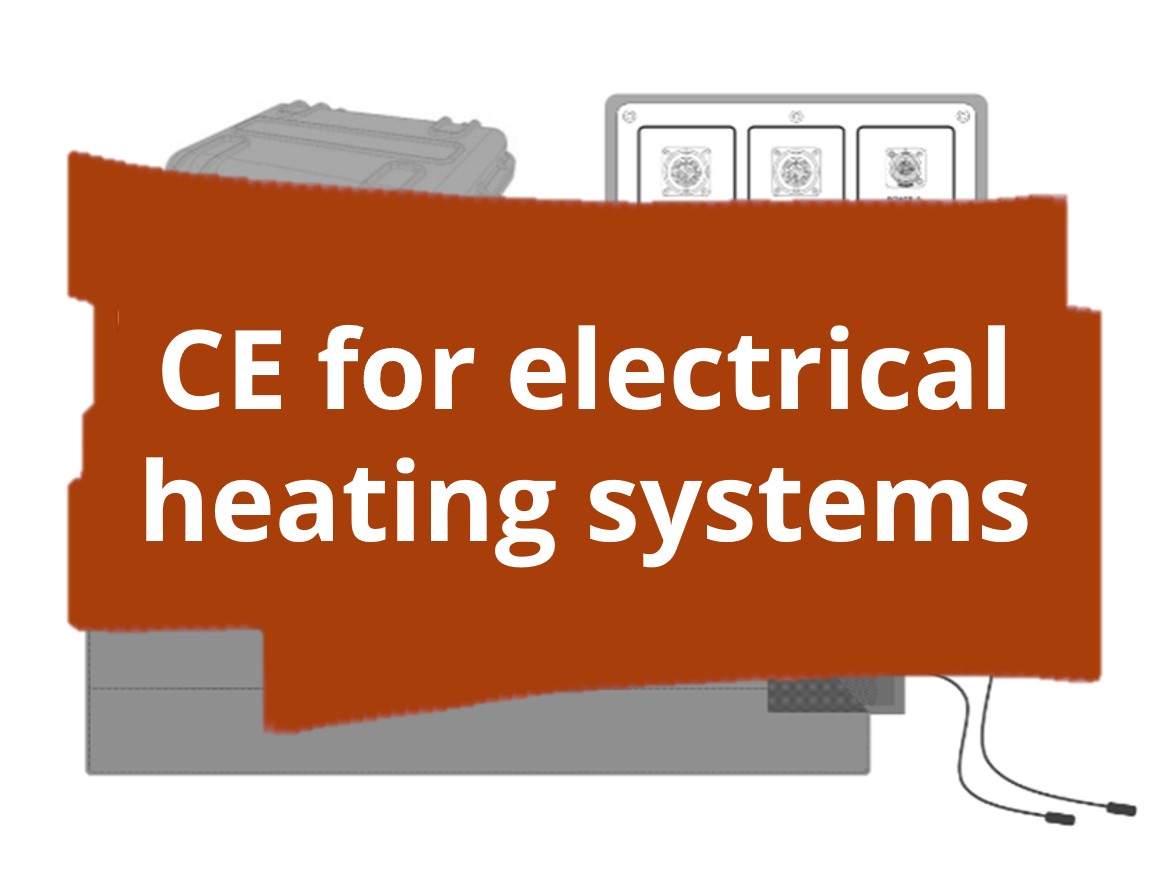
CE marking for electrical heating systems
easyCE supports the conformity assessment of electrical heating systems with integrated temperature sensors, including preparation of the declaration of conformity ready to sign. The assessment covers electrical safety and technical documentation under the Low Voltage Directive, with reference to EN 61010-1 for measurement, control and laboratory equipment. Particular attention is given to overheating protection using non-resettable thermal cut-outs.
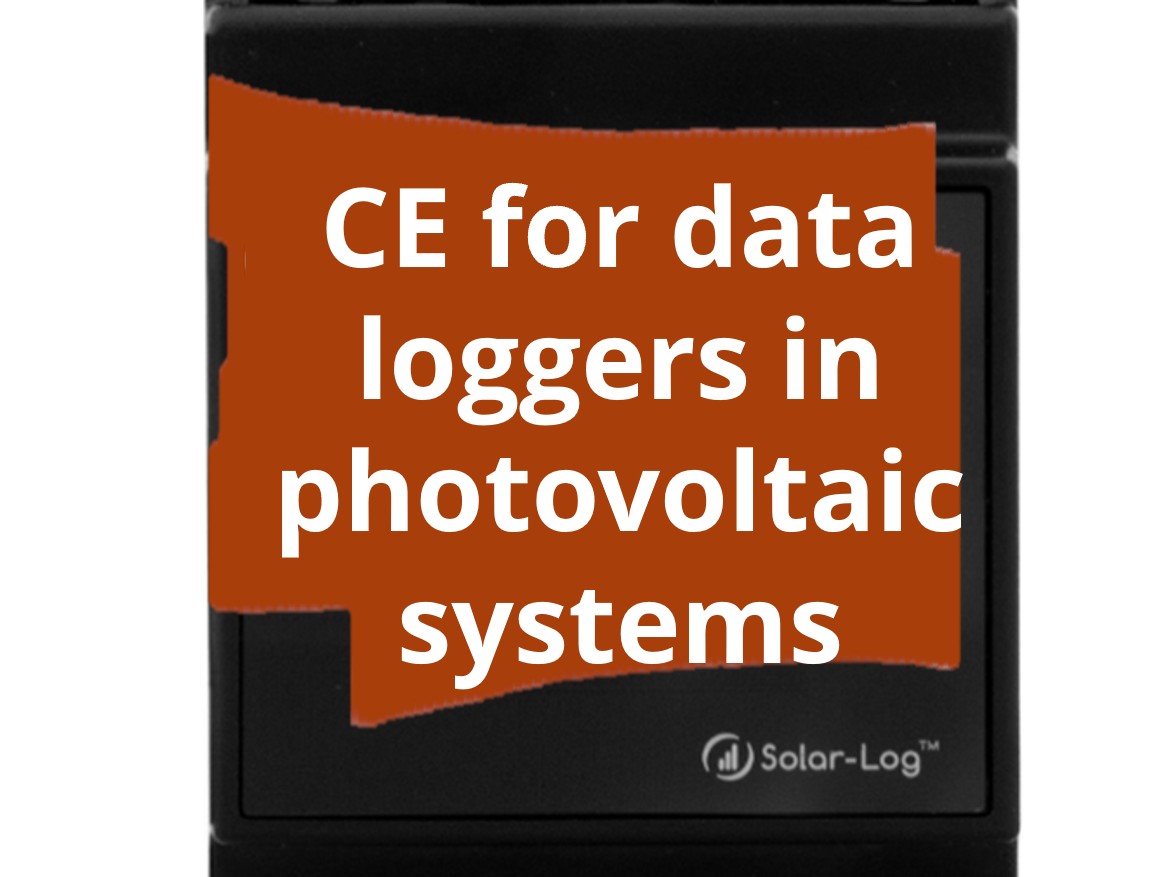
CE marking for photovoltaic data loggers
easyCE supports the conformity assessment of photovoltaic data loggers with monitoring and control functions, including preparation of the declaration of conformity ready to sign. The work considers electrical safety with reference to EN 62368-1 and electromagnetic emissions under EN 61000-6-3. Particular attention is given to the communication interfaces, expansion modules and their different voltage levels.
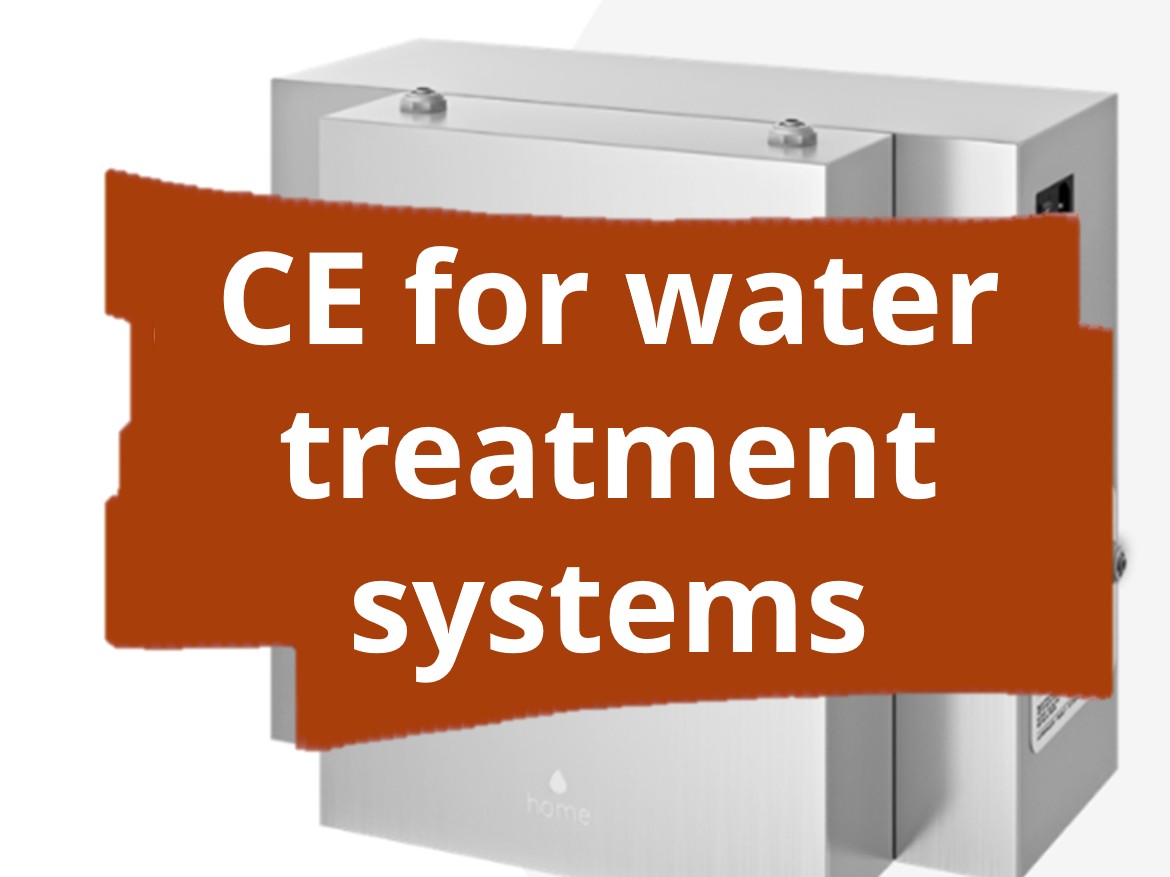
CE marking for water filtration systems
easyCE supports the conformity assessment of water treatment equipment combining several filtration stages with UV disinfection, including preparation of the declaration of conformity ready to sign. The electrical safety assessment considers EN 60335-1. Further work examines pressure monitoring, non-return valves and automatic shutdown functions.
CE marking for remotely controlled LED lighting
easyCE supports the conformity assessment of RGB LED lighting with touch and remote controls, including preparation of the declaration of conformity ready to sign. The assessment considers electromagnetic compatibility with reference to EN 55015. Electrical hazards are assessed with reference to EN 60598-1 for luminaires and EN 62368-1 for electronic equipment, taking account of the control functions and power supply.
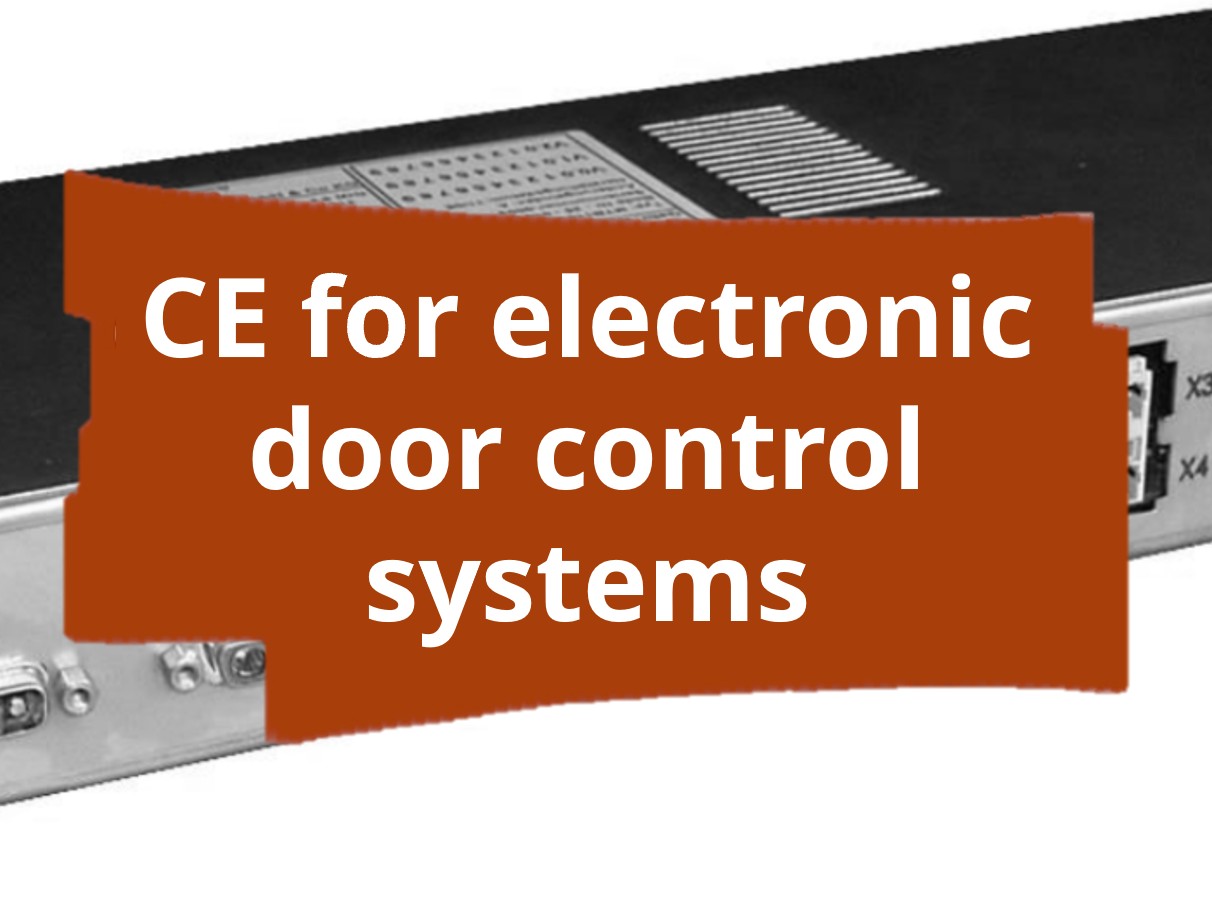
Conformity assessment for rail vehicle door controllers
easyCE supports the conformity assessment of electronic units that control door drives in rail vehicles. The work examines integration into the vehicle environment, including the requirements for electronic equipment under EN 50155, electromagnetic compatibility and electrical safety. The assessment also considers the intended use, relevant risks and the applicability of product legislation to the controller.
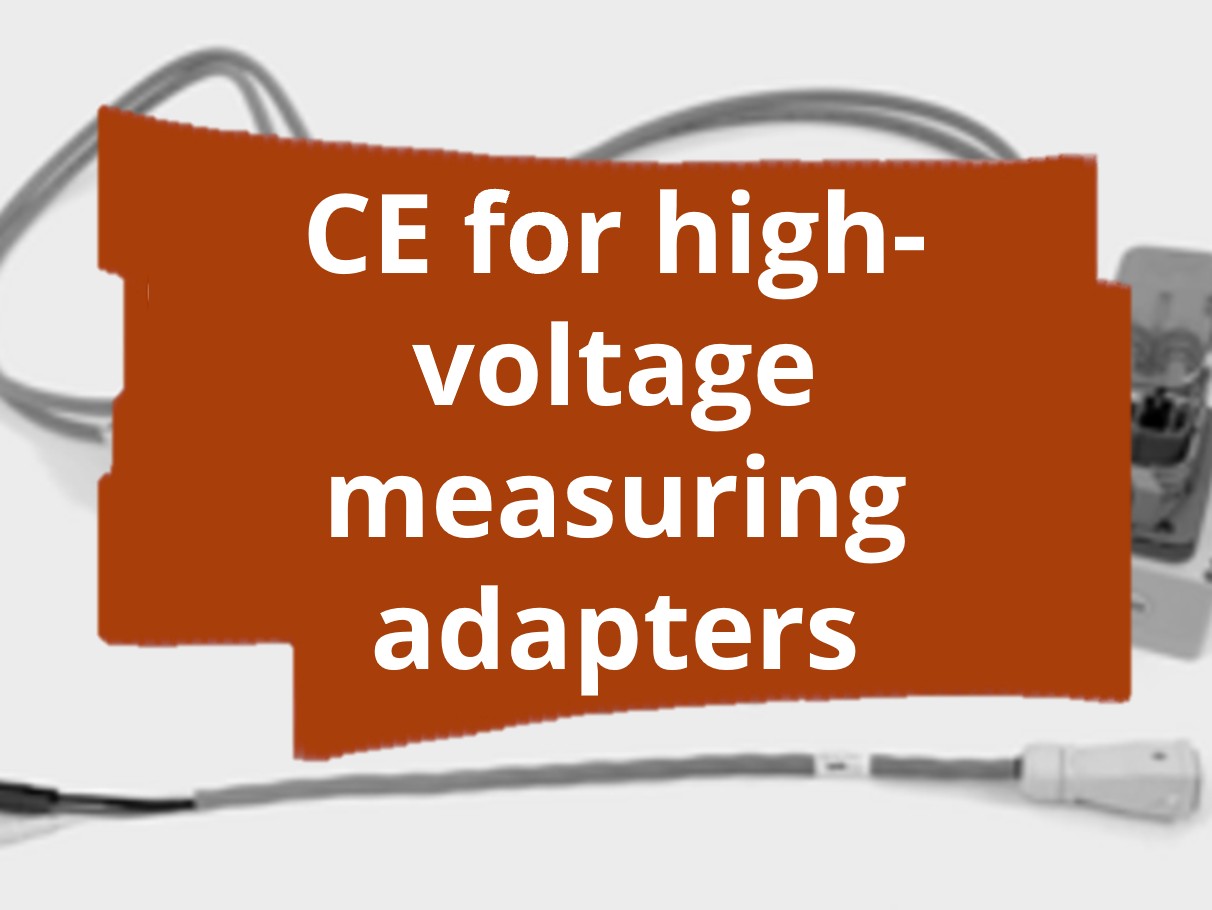
CE marking for high-voltage measuring adapters
easyCE supports the conformity assessment of adapters used to measure high-voltage systems in electric vehicles, including preparation of the declaration of conformity ready to sign. The assessment focuses on protection against electric shock, including double insulation and 100 kΩ series resistors. A key requirement is the adapter's measurement category, CAT III, at voltages up to 1,000 V DC with reference to EN 61010-31.

CE marking for electronic skincare equipment
easyCE supports the conformity assessment of electronic skincare equipment, including preparation of the declaration of conformity ready to sign. The assessment defines the intended use and operating limits, then identifies the associated hazards. Further work covers electromagnetic compatibility under Directive 2014/30/EU and restrictions on hazardous substances under the RoHS Directive.
CE marking for electrothermal cutting tools
easyCE supports the conformity assessment of hand-held cutting tools with heated blades, including preparation of the declaration of conformity ready to sign. The assessment considers temperature control, user ergonomics and electrical safety with reference to EN 60335-1. Risk assessment under EN ISO 12100 addresses the combination of thermal and electrical hazards and informs the insulation and protective measures.
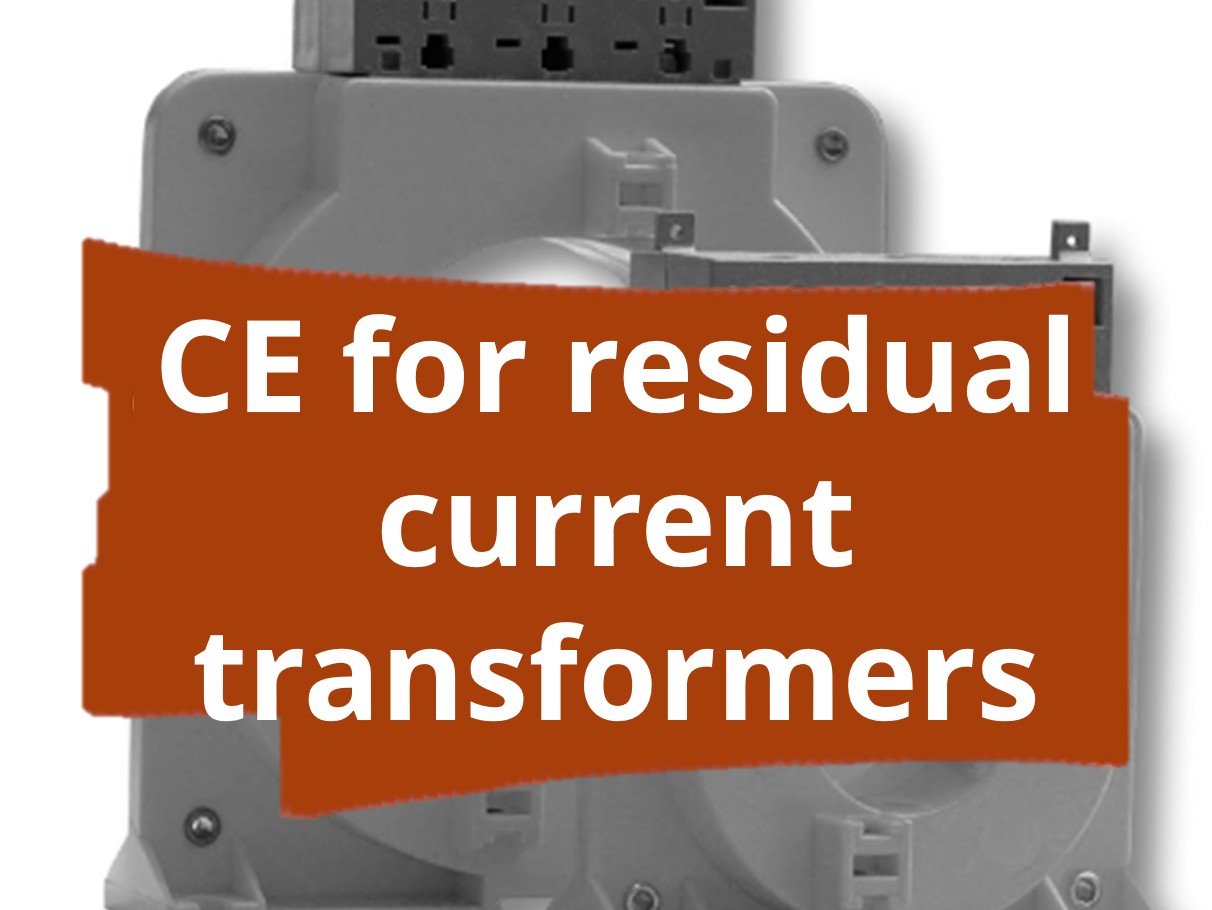
CE marking for residual current transformers
easyCE supports the conformity assessment of residual current transformers used to detect fault currents in energy monitoring systems, including preparation of the declaration of conformity ready to sign. The assessment considers electrical safety under EN 61010-1 and electromagnetic compatibility under EN 61326-1. Insulation coordination is assessed with reference to IEC 60664-1, including test voltages up to 3 kV and pollution degree 3.
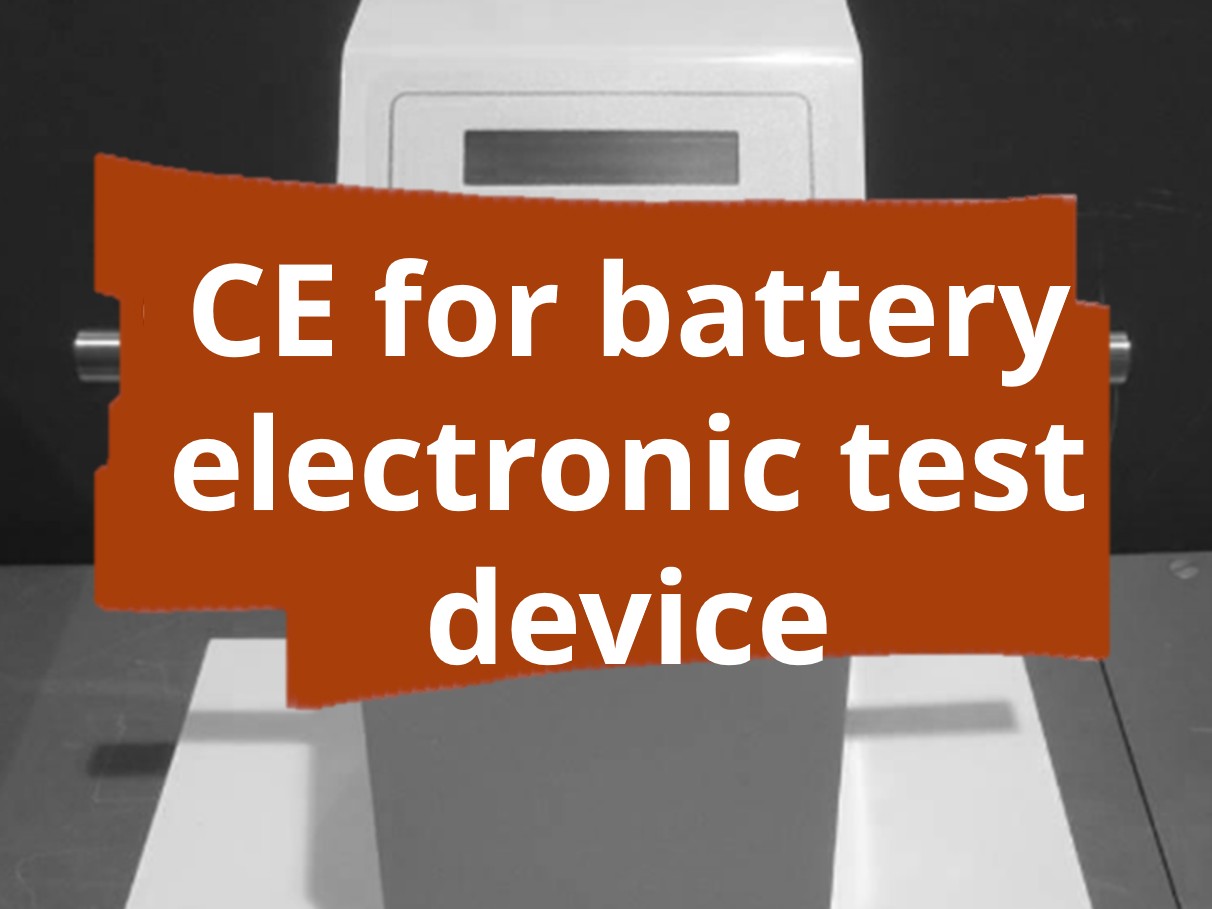
CE marking for electronic measuring and test equipment
easyCE supports the conformity assessment of electronic measuring equipment, including preparation of the declaration of conformity ready to sign. The project combines the residential emission limits of EN 61000-6-3 with the industrial immunity requirements of EN 61000-6-2. Testing includes radiated electromagnetic fields under EN 61000-4-3 and surge immunity under EN 61000-4-5.
CE marking for adjustable LED lighting
easyCE supports the conformity assessment of adjustable LED lighting, including preparation of the declaration of conformity ready to sign. The assessment considers photobiological safety under EN 62471 and LED module safety under EN 62031. EMC testing with reference to EN 55015 takes account of the different brightness settings and flashing frequencies.
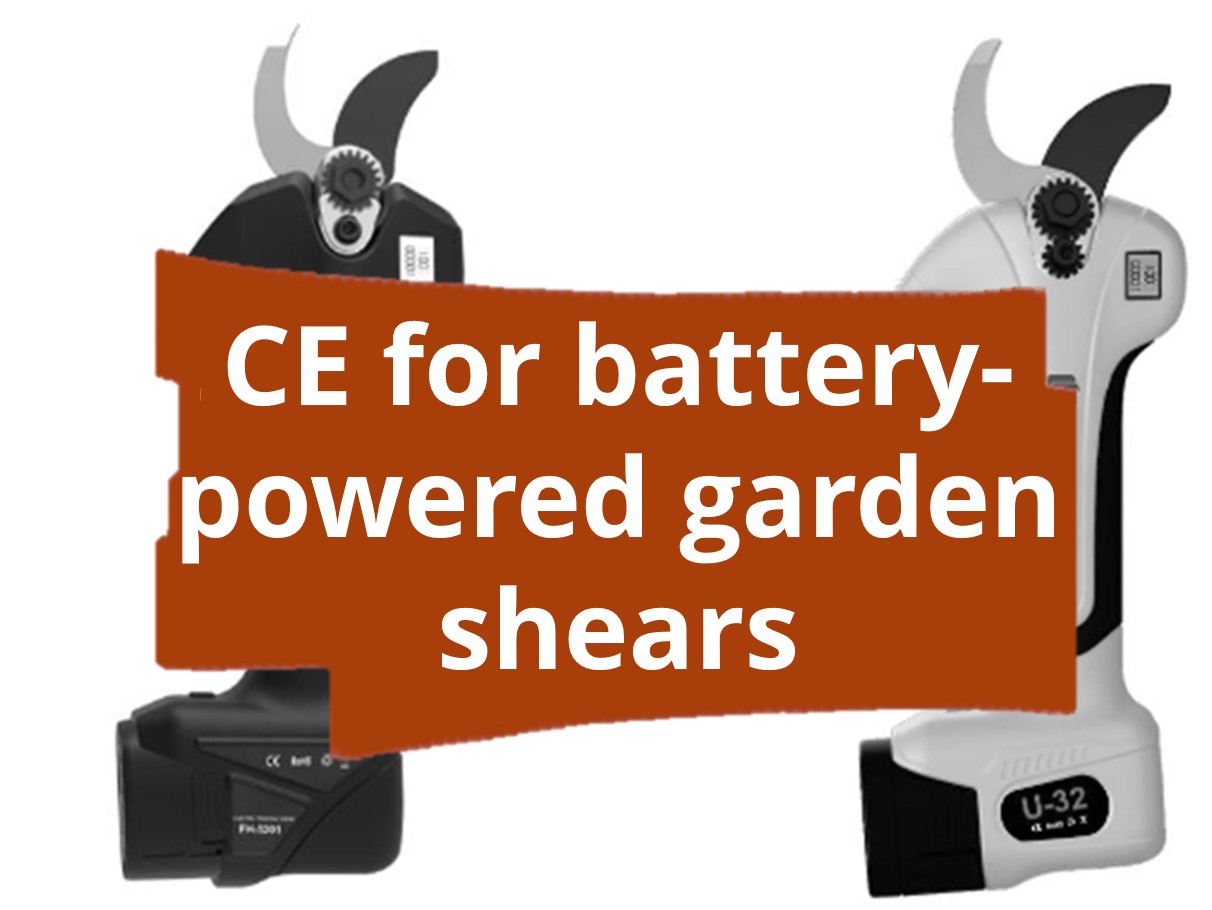
CE marking for battery-powered garden shears
easyCE supports the conformity assessment of battery-powered garden shears, including preparation of the declaration of conformity ready to sign. The project considers electrical safety with reference to EN 60335-1 and electromagnetic emissions under EN 61000-6-3. Battery-related work addresses overcharge and short-circuit protection. Restrictions on hazardous substances under RoHS are considered separately from battery safety.

CE marking for electronically controlled water treatment systems
easyCE supports the conformity assessment of water treatment systems with electronic controls, including preparation of the declaration of conformity ready to sign. The assessment considers electromagnetic emissions under EN 61000-6-3 and electrical safety under EN 60335-1. Further work examines leak protection, electrical isolation and the UV lamp and pump controls, with EN 60335-2-41 considered for the pump.

CE marking for wireless soil moisture sensors
easyCE supports the conformity assessment of soil moisture sensors using L-band microwave radiometry and a 2.4 GHz Wi-Fi and Bluetooth module. The assessment considers radio spectrum requirements under ETSI EN 300 328 and EMC requirements under ETSI EN 301 489-1. easyCE reviews the module evidence and the effects of integration on the finished sensor, then prepares the technical documentation and declaration of conformity ready to sign.
Your project in three steps
Step 1
Get free initial advice
Speak to a CE expert free of charge about the requirements for your product. Simply tell us what your product does and where you need support.
Step 2
Receive your proposal
We explain the steps involved and propose the support your project needs. You can discuss the scope and ask questions before deciding how to proceed.
Step 3
We get it done
Once you appoint us, your dedicated CE expert carries out the agreed work and supports you throughout the process. Your expert remains available for follow-up questions after completion.
Discuss your CE project
Frequently asked questions
Which legislation applies to CE marking electrical equipment?
The applicable rules depend on the product's voltage, functions, intended use and operating environment. Common examples include the Low Voltage Directive 2014/35/EU, EMC Directive 2014/30/EU and RoHS Directive 2011/65/EU.
Products with radio functions may fall under the Radio Equipment Directive 2014/53/EU. Equipment intended for potentially explosive atmospheres may fall under the ATEX Directive 2014/34/EU. We identify the relevant legislation and any exclusions before deciding which assessments and documents are required.
Can users of electrical equipment have manufacturer responsibilities?
Manufacturers are responsible for the conformity of electrical equipment placed on the EEA market under the legislation that applies to it. Importers and distributors have their own obligations.
Users may take on manufacturer responsibilities when they supply equipment under their own name, make changes affecting conformity or build a product for their own use where the relevant legislation covers that activity. The position is not identical under every directive. We assess the product and circumstances, while keeping workplace safety duties separate.
How do the Machinery Directive and Low Voltage Directive interact?
The Machinery Directive excludes certain electrical and electronic products, insofar as they are covered by the Low Voltage Directive: household appliances intended for domestic use, audio and video equipment, information technology equipment, ordinary office machinery, low-voltage switchgear and control gear, and electric motors.
For machinery that remains within the Machinery Directive, the electrical safety objectives of the Low Voltage Directive apply, but the obligations concerning conformity assessment and placing on the market for those electrical hazards are governed by the Machinery Directive. Product classification must therefore come first.
Which standards should be used for the risk assessment?
Select standards that fit the product, hazards and applicable legislation. EN ISO 12100 provides a method for machinery risk assessment and risk reduction. EN ISO 13849-1 and EN 62061 address safety-related control systems; they are not interchangeable general risk assessment methods.
Other electrical product standards may be more appropriate for a particular device. Harmonised standards are generally voluntary and can provide a presumption of conformity for the requirements they cover when the relevant conditions are met. We identify suitable standards and document the assessment approach.
Where can I find more answers about CE marking?
Visit our CE marking FAQ for guidance on responsibilities, conformity assessment, risk assessment and affixing the CE marking.
For questions about your electrical equipment, contact easyCE. We assess the product's requirements and explain the work and documentation needed.
Product safety expertise

Willy Lebherz, Founder and Managing Director of easyCE
- Expert in product safety and compliance, since 1995
- Recipient of the "Medal of the Order of Merit of the Federal Republic of Germany", awarded in 1983 by the then Federal President Carl Carstens
- Meister qualification in measurement and control technology
- Captain (ret.), Project Officer for Technical Logistics in the Army Material Office and Chief of the Telecommunications Repair Company
easyCE specialises in product safety and conformity assessment. We combine engineering expertise with digital tools to help manufacturers, equipment users and distributors bring compliant products to market. From risk assessment and identifying relevant standards to technical documentation and test coordination, we carry out the work your project needs. You can choose support for the full process or individual tasks, with a dedicated CE expert as your point of contact. Founded in southern Germany, we work with customers worldwide.
We understand the requirements that apply to your product and can help you work through them.