
 MARKING FOR PRODUCTION LINES DONE! WITH SUPPORT OF EASYCE
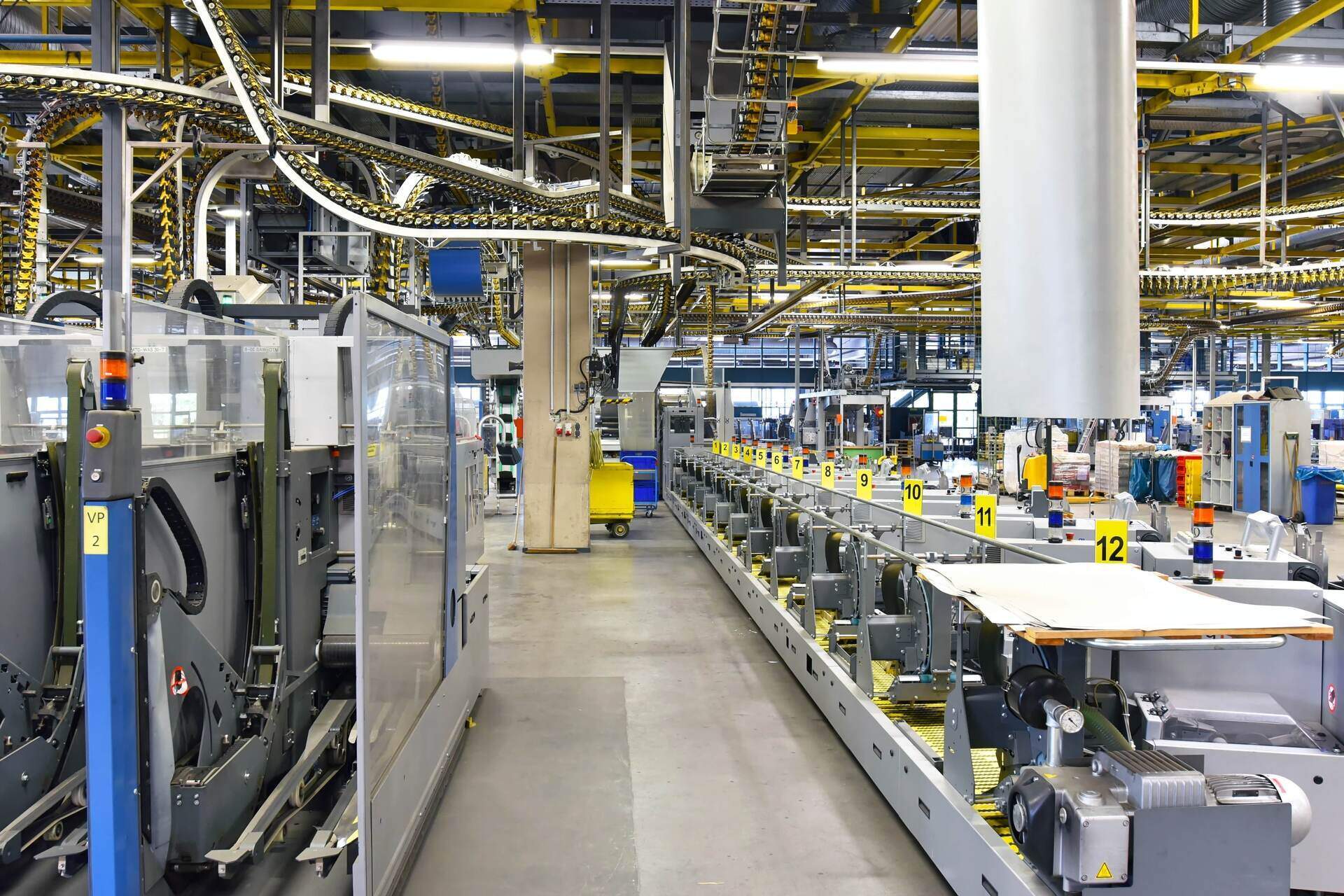
CE marking for your production line, delivered by specialist engineers. We assess risks across the complete line, define protective measures at machine interfaces and prepare your technical documentation and declaration of conformity ready to sign. One expert team, from the initial assessment to project handover.
Willy Lebherz
Founder and Managing Director of easyCE GmbH
DoC ready to sign!
We prepare the declaration of conformity for your machinery, ready for the responsible signatory.
Risk assessment completed!
We assess the risks of the machinery and its interfaces and identify the protective measures needed.
Applicable standards identified!
We identify the relevant harmonised standards and check their scope, current references and any restrictions for your production line and its machinery.
Technical documentation created!
We prepare the technical file and clear, practical operating instructions for the agreed scope.
Ready for CE marking!
Once conformity is demonstrated, the responsible manufacturer signs the declaration and affixes the CE marking.
CE marking for production facilities: the essentials
CE marking for production lines
Applicable legislation
The CE marking process
Missing or incorrect CE marking
ATEX and explosion protection
Why choose easyCE?
We get CE marking done for production lines and special-purpose machinery. Our engineers assess the machinery, its controls and the interfaces between connected units, then prepare the documentation for the agreed scope.
A production line may form an assembly of machinery that needs its own conformity assessment. CE marking on the individual machines does not establish conformity of the integrated line. We define the system boundaries and assess how the machines work together, including the hazards created by their combined operation.
That includes more than normal production. We examine material transfer, access for cleaning and maintenance, and the interaction between guards, emergency stops and safety-related controls. A machine that is safe on its own can introduce new hazards when connected to other equipment. We identify those risks and develop protective measures for the complete line.
We review the supplier documentation, identify missing information and coordinate the checks needed to demonstrate conformity. We then bring the risk assessment, technical file and operating instructions together and prepare your declaration of conformity ready to sign. Choose the complete process or hand over the specific tasks your team needs us to deliver.
The Machinery Directive 2006/42/EC sets the essential health and safety requirements for machinery placed on the EEA market or put into service. The Machinery Regulation (EU) 2023/1230 generally applies from 20 January 2027. We identify the requirements relevant to your project and its planned delivery date.
Depending on the equipment, the EMC, Pressure Equipment, ATEX or other product rules may also apply. For machinery, electrical hazards are addressed under the Machinery Directive using the Low Voltage Directive's safety objectives. The Low Voltage Directive's conformity assessment procedure does not additionally apply to the machinery for those hazards.
We determine the applicable legislation and relevant standards for the complete line, its constituent products and their interfaces.
We distinguish requirements for the integrated line from those that apply to individual units supplied with it. That gives your engineering and purchasing teams a clear basis for requesting supplier documents and defining the assessment scope.
We start by defining the machinery's intended use, limits and system interfaces. We identify the applicable legislation and relevant standards, carry out the risk assessment and develop the protective measures needed.
We prepare the technical file, coordinate the required checks and tests, and compile the operating instructions and declaration of conformity. The responsible manufacturer or authorised representative completes the applicable procedure, signs the declaration and affixes the CE marking before the machinery is placed on the market or put into service.
We track outstanding evidence and protective measures throughout the project, with clear responsibilities for each item. Before handover, we check that the documentation reflects the assessed configuration of the line.
Read about the CE marking process and the documentation involved.
Missing documentation, unsafe machinery or incorrectly applied CE marking can lead to corrective action, restrictions on sale, withdrawal or recall. Liability and penalties depend on the infringement and applicable national law.
A missing CE mark is not solved simply by adding a label. We establish whether the issue is missing paperwork, an incomplete conformity assessment or a safety problem with the machinery itself. We review the available declarations, operating instructions and technical records to give you a clear picture of what is missing and what needs to change.
For existing machinery, we check when and how it was first placed on the market or put into service, together with any later modifications. Older machinery already lawfully in use does not automatically require retrospective CE marking. Used machinery entering the EEA market for the first time is a different case, and workplace safety duties still apply. We establish the right route for your equipment.
Our engineers assess the risks, define the necessary protective measures and turn the findings into a practical action plan. We prepare missing documentation and coordinate the required checks within the agreed scope, so your team knows what to address first and what is needed to complete the conformity work.
Explore the CE directives and regulations or read our article on liability and compliance risks.
Equipment and protective systems intended for use in potentially explosive atmospheres may fall under ATEX Directive 2014/34/EU. The conformity assessment route depends on the equipment group, category and type; notified-body involvement is not identical for every product.
Workplace explosion protection is a separate responsibility. Employers must assess the explosion risks, classify hazardous areas where required and prepare the explosion protection document under Directive 1999/92/EC and its national implementation.
We review the substances, operating conditions and potential ignition sources relevant to the installation. This connects the equipment assessment with the intended operating environment and makes any gaps in the available information clear.
We assess ignition hazards, identify the relevant equipment requirements and prepare the agreed conformity documentation. We also support the assessment of workplace explosion risks within the project scope. See our guidance on hazard-based safety.
easyCE combines engineering expertise with efficient digital workflows for special-purpose machinery and integrated production lines. We carry out the work your project needs, from defining system boundaries and assessing interface risks to preparing technical documentation and coordinating tests.
Choose the complete CE marking process or hand over individual tasks. A dedicated CE expert coordinates the agreed work and keeps you informed about decisions, documents and next steps.
For new machinery, extensions and modifications, we clarify the conformity requirements early and prepare the documentation you need. Your declaration of conformity is delivered ready for the responsible signatory.
We coordinate technical questions across the machines and suppliers involved, so interface issues have a clear owner. Your team receives a structured handover of the assessment results, supporting evidence and any outstanding actions.
We support you throughout the CE marking process
Trusted by leading businesses. Chosen for results.



























Understand your responsibilities and get the right CE support
Production line manufacturers
Production line owners and operators
The manufacturer of an assembly of machinery is responsible for its conformity, including the risks created by connecting the individual machines. This role may be taken by a line builder, an integrator or the business that builds the line for its own use.
Define that responsibility and the system boundaries at the start of the project. Review component documentation, safety functions and interfaces, and account for any additional hygiene requirements in food or pharmaceutical production. Instructions must meet the destination market's language requirements.
We assess the integrated machinery and prepare the agreed technical file, risk assessment, operating instructions and declaration of conformity.
Employers must provide safe work equipment and assess the risks arising from its use. CE marking does not replace those workplace duties. Older machinery does not automatically require retrospective CE marking; its history and the nature of any changes must be considered.
Building an integrated line for your own use or making significant modifications may bring manufacturer responsibilities. Using CE-marked components is not enough to establish conformity of the resulting assembly.
We assess the proposed configuration or modification, review the available documentation and identify the conformity assessment and workplace safety work needed.
Your CE project. Expertly handled.
Swipe or scroll horizontally to compare all options.
Approach to CE marking
Flexibility of support
Scope of support
Project contact
A clear, practical approach to CE marking
Our experts guide you through CE marking, with support tailored to your needs
Choose the support you need: the full CE marking process or help with individual steps
From the start, you have a dedicated CE expert to support you throughout the process
Other CE service providers
Approach and project fit depend on the provider
Processes and flexibility depend on the provider
Scope agreed with the provider
Contact arrangements agreed for the project
CE software
A standardised workflow that your team adapts to the project
Your team manages the software and carries out the assessment
Features depend on the software and the modules purchased
Technical project support may require an additional service
We make CE marking simpler
Successful projects. Results that speak for themselves.
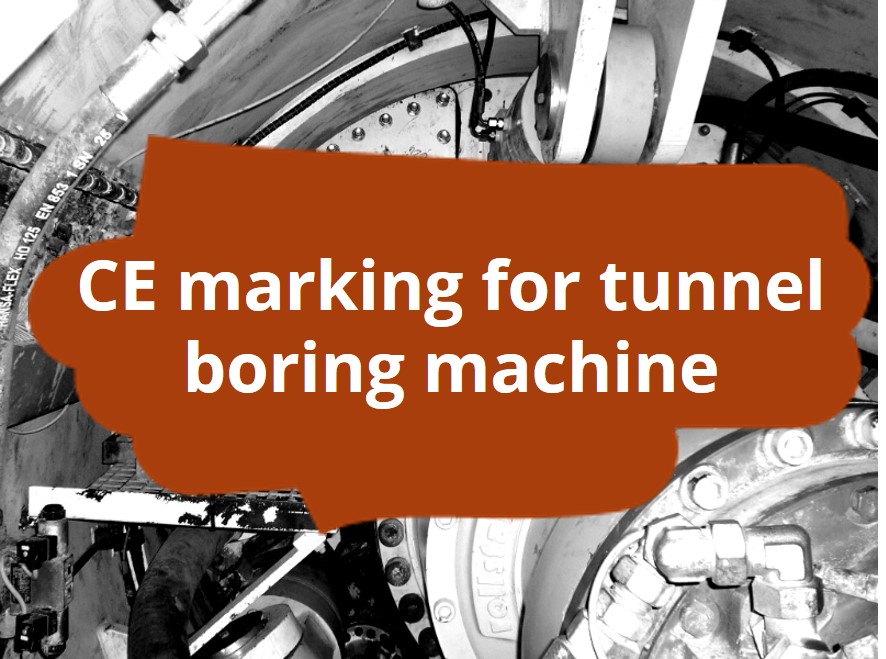
CE marking for a tunnel boring machine used in Australian copper mining
easyCE carries out the conformity assessment for a tunnel boring machine, including risk assessment across its lifecycle and preparation of a declaration of conformity ready to sign. The assessment focused on the new multi-arm cutting-head concept. The work also considered the applicable Australian safety and technical requirements, in close cooperation with the manufacturer and its Australian customer.
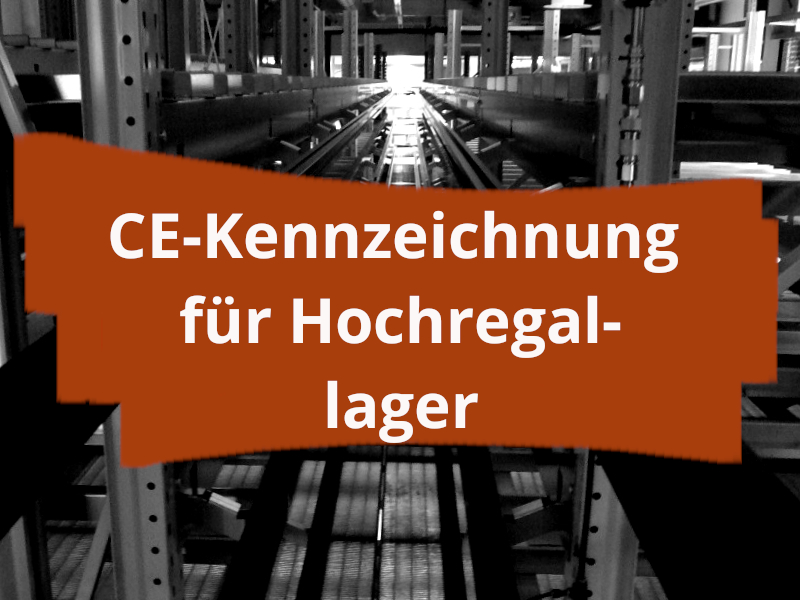
CE marking for a robot-operated high-bay storage system
easyCE carries out the conformity assessment for an automated high-bay system used to store small parts in industrial facilities. The work includes risk assessment and a declaration of conformity ready to sign for the integrated system, including its automatic lift. Particular attention was given to safe access during maintenance and fault-finding.
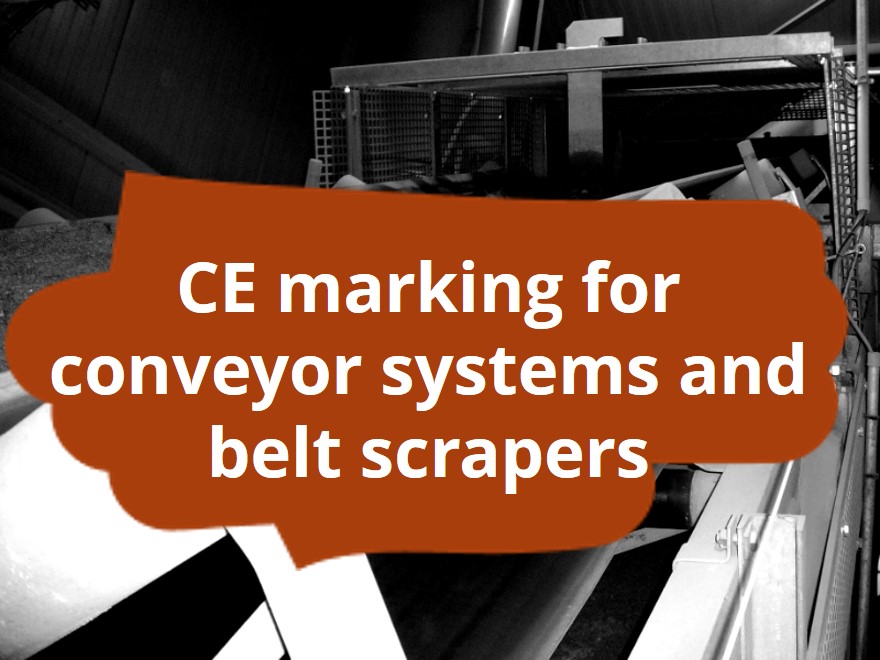
Conformity assessment for conveyor systems and belt scrapers
easyCE assesses conveyor belt scrapers used to handle bulk materials, including mining applications. The work covers the conformity assessment, explosion risks where relevant and preparation of a declaration of conformity ready to sign. The risk assessment focused on handling heavy components during assembly and maintenance.
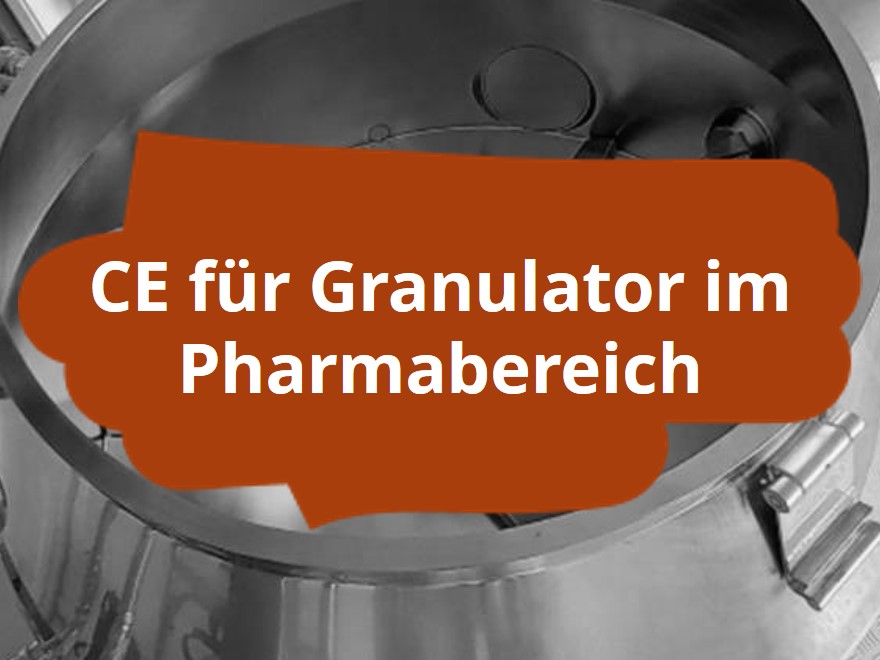
CE marking for a modified pharmaceutical granulator
easyCE carries out the conformity assessment for a granulator with nitrogen and vacuum connections following significant modifications. The assessment addresses the Machinery Directive's applicable health and safety requirements, including the hygienic design requirements for pharmaceutical machinery. Particular attention was given to materials, surface finishes, dismantling for cleaning, bearing arrangements, lubrication and the avoidance of dead spaces.
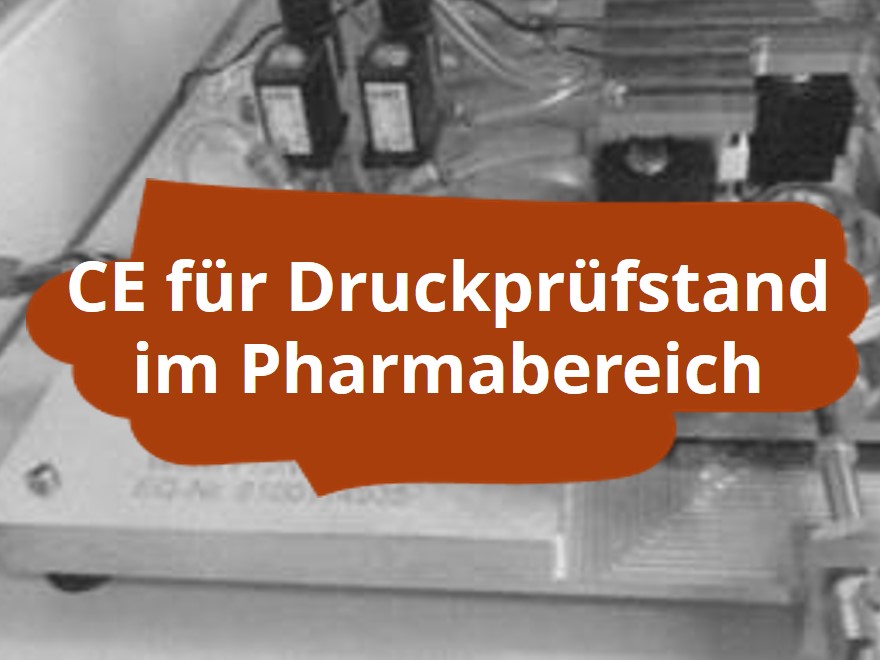
CE marking for a pharmaceutical pressure test bench
easyCE assessed whether a test bench for low-pressure units fell within the Pressure Equipment Directive. Measurements carried out by the manufacturer with easyCE's guidance established that the directive did not apply to this particular design. The work then addressed the remaining machinery risks, protective measures and hygiene requirements, with reference to EN ISO 14159.
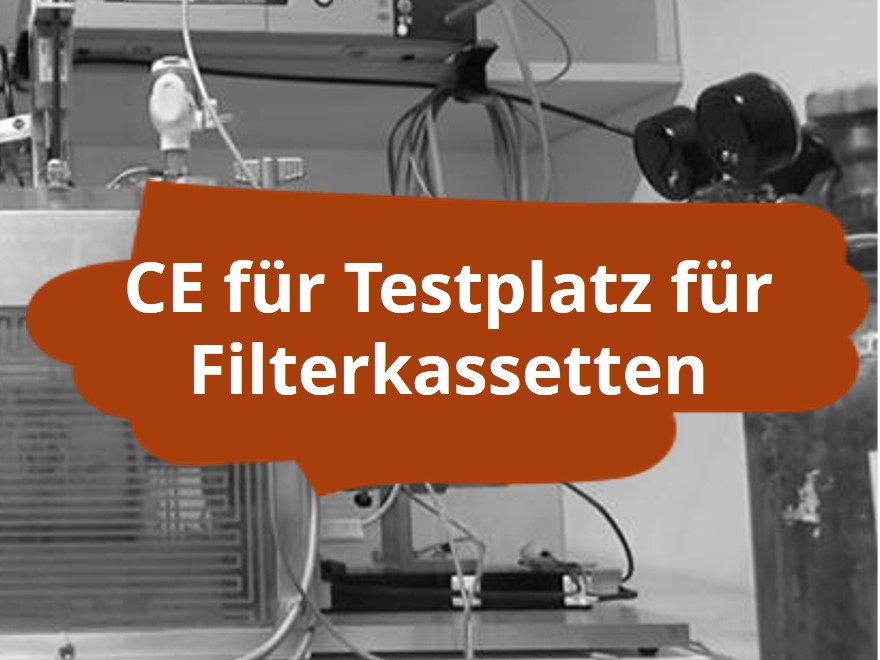
CE marking for a filter-cassette test station
easyCE assessed a robotic test station that uses a coagulation needle on raw meat samples to simulate surgical smoke for testing extraction-system filter cassettes. The conformity assessment addressed the machine's mechanical and electrical risks alongside the hygiene risks of handling the samples. The work considered EN ISO 14159 when assessing hygienic design and cleaning requirements.
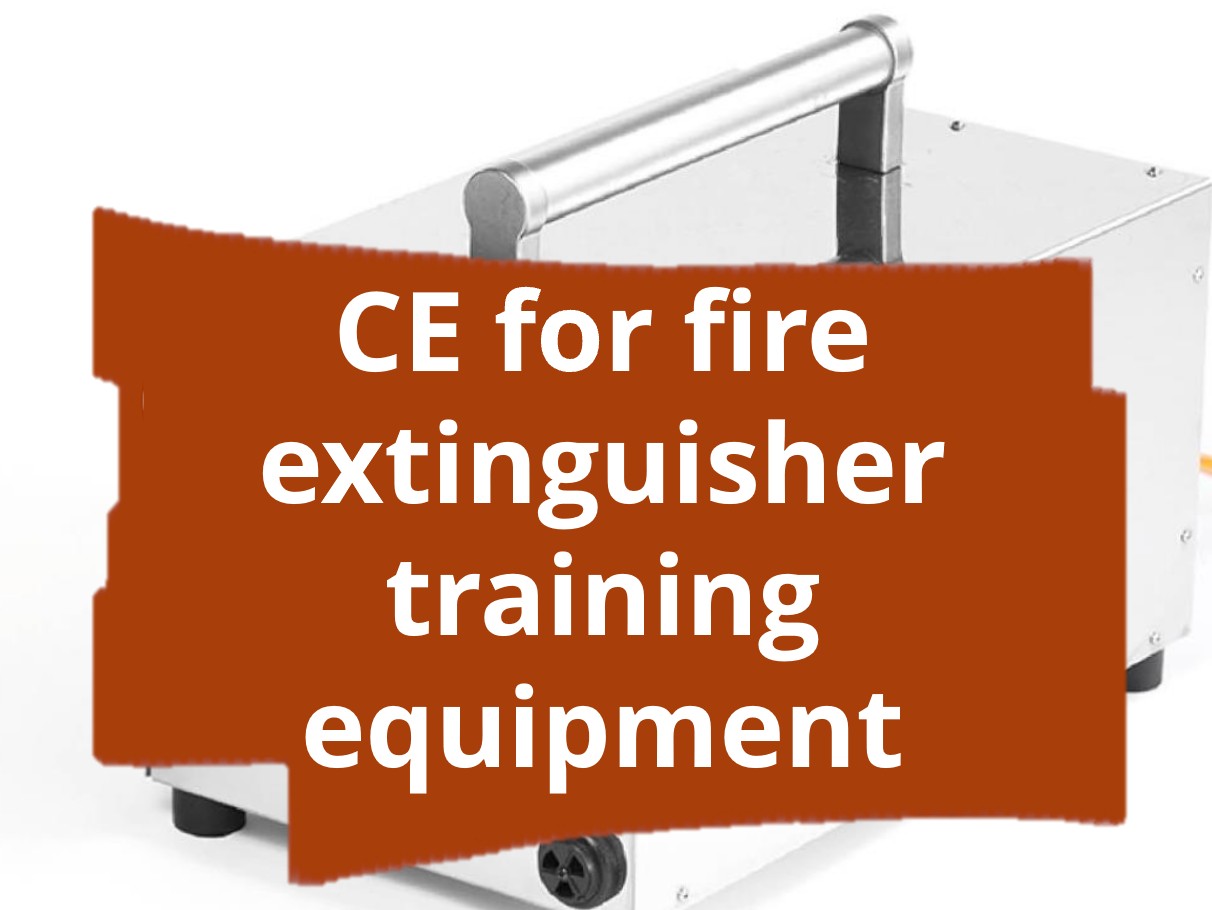
CE marking for automotive fire-resistance test equipment
easyCE carries out the CE marking work for a specialised test rig used for fire-resistance tests under ECE R100, including preparation of the declaration of conformity. The assessment covered ignition sources and safety-related controls under EN ISO 13849-1 for a process that deliberately generates fire. The safety concept included redundant systems, personnel-presence checks and interlocked access under EN ISO 14119.
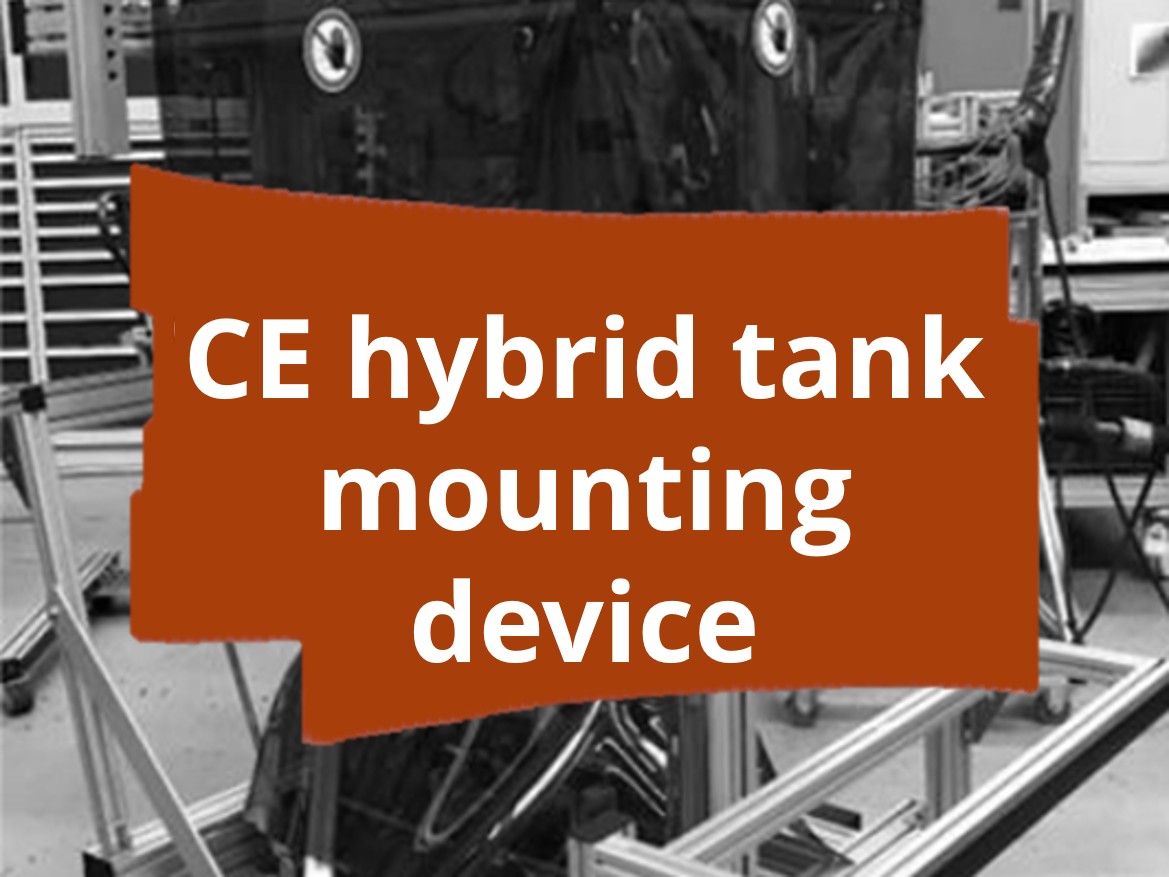
CE marking for a vehicle tank mounting device
easyCE carries out the conformity assessment for a rail-guided mounting device with a spindle drive and prepares the declaration of conformity ready to sign. The risk assessment under EN ISO 12100 focused on holding the raised tank securely while four integrated cordless screwdrivers perform the fastening operation. The work also addressed the device's mechanical switching arrangement.
CE marking for process control systems in the concrete industry
easyCE assesses industrial process control systems and prepares the agreed conformity documentation. The work covers safety functions and performance levels under EN ISO 13849-1, together with the integration of bus systems and interfaces. EN 61131-3 was considered for programmable-controller software. The assessment addresses the controller software and its role in the complete system.
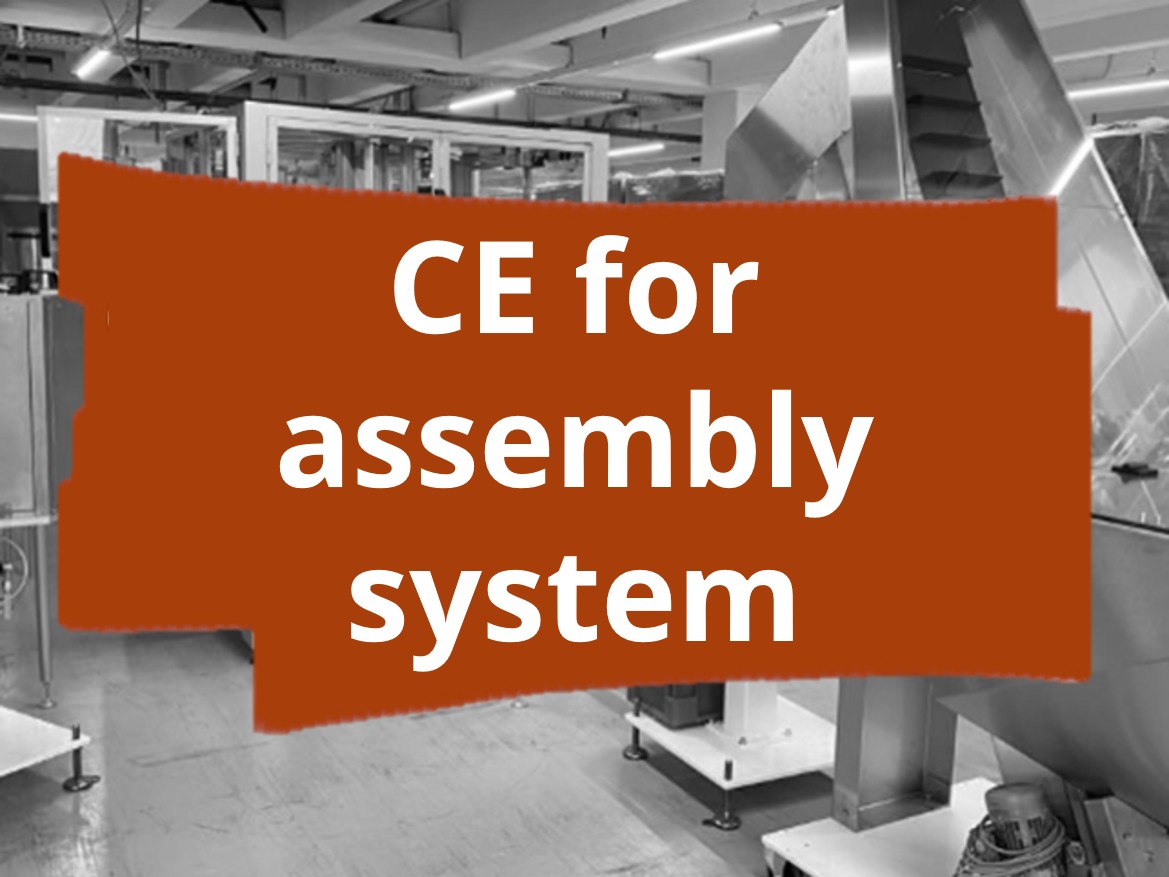
CE marking for a plastic-container assembly system
easyCE carries out the conformity assessment for a rotary transfer system used to assemble plastic containers and prepares the declaration of conformity. The risk assessment under EN ISO 12100 covered enclosures, access and operator protection. The work addressed guard interlocks under EN ISO 14119, safety-related controls under EN ISO 13849-1 and hygiene requirements for the intended cosmetics-production application.
CE marking for automated rotary assembly systems
easyCE carries out the CE marking work for rotary systems that join plastic components, including preparation of the declaration of conformity. The risk assessment under EN ISO 12100 addressed the interaction of protective devices, including dual-channel emergency stop functions and access-door sensors. Safety-related controls were assessed with reference to EN ISO 13849-1.
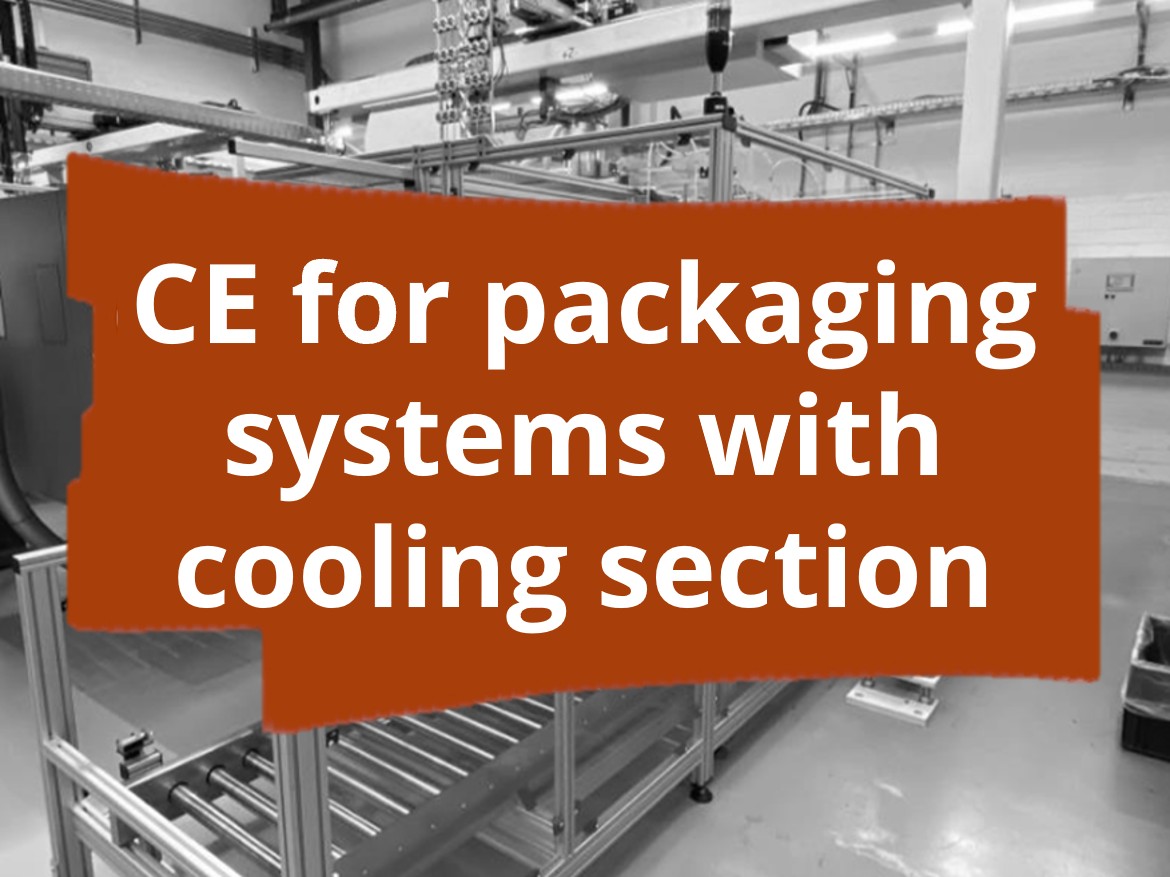
CE marking for packaging machinery with a cooling section
easyCE carries out the conformity assessment for a system that automatically closes and packages plastic closures. The work includes preparation of the declaration of conformity. The assessment focused on the swivelling conveyor mechanism and its safety-related controls under EN ISO 13849-1, alongside the packaging-machine requirements of DIN EN 415-7.
CE marking for automated rotary assembly systems
easyCE carries out the CE marking work for rotary systems that join plastic components, including preparation of the declaration of conformity. The risk assessment under EN ISO 12100 addressed the interaction of protective devices, including dual-channel emergency stop functions and access-door sensors. Safety-related controls were assessed with reference to EN ISO 13849-1.
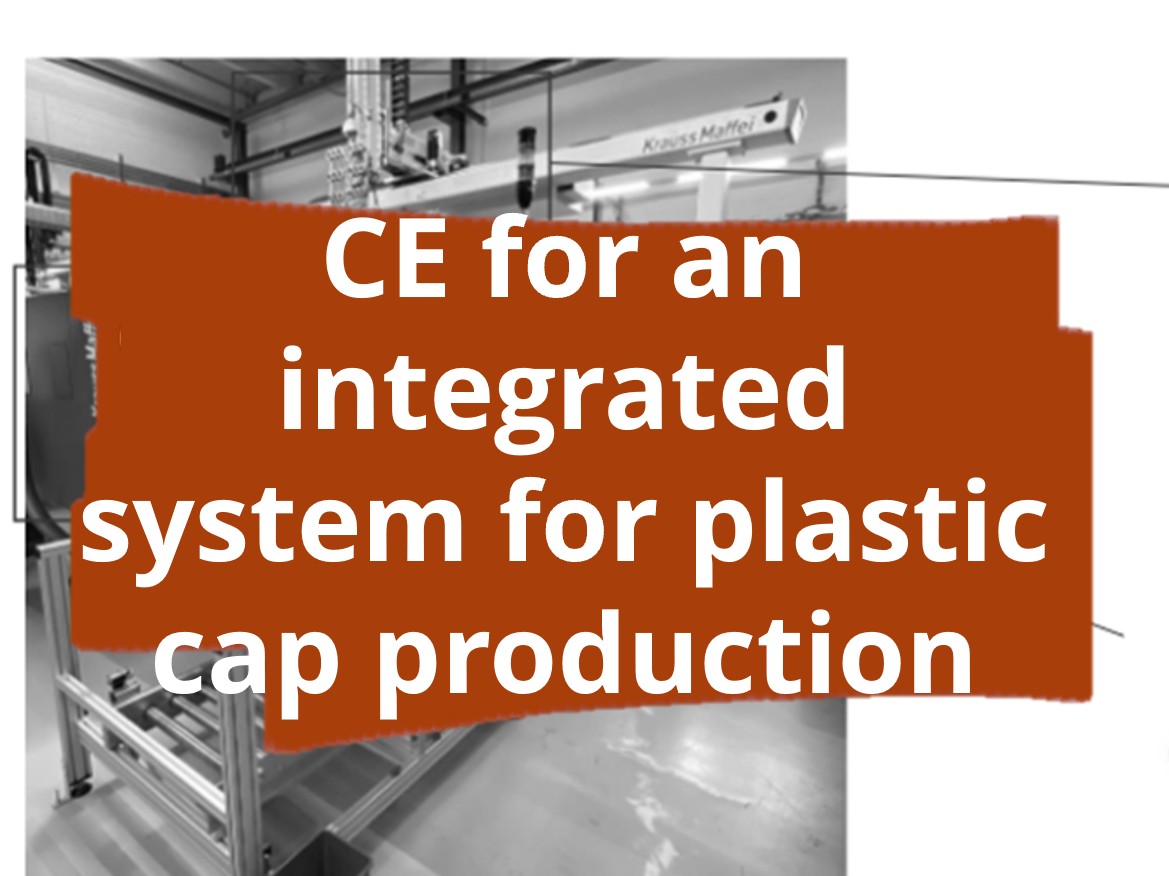
CE marking for an integrated plastic-cap production line
easyCE assesses an integrated line comprising an injection-moulding machine, a linear robot and a packaging system. The work includes the overall risk assessment and declaration of conformity. Particular attention was given to transfer points and shared safety functions under EN ISO 13849-1. A common emergency stop function under EN ISO 13850 was implemented to stop all three machines when required by the safety concept.
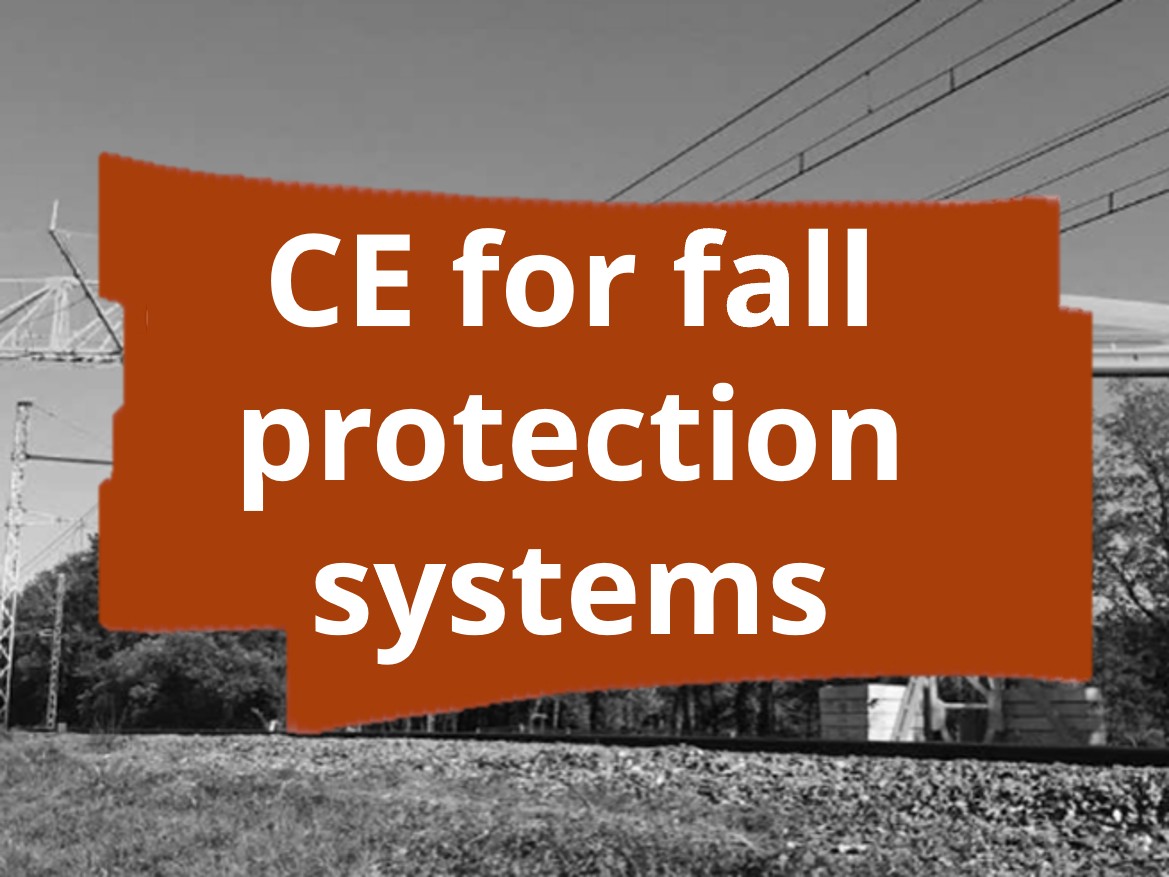
CE marking for temporary protective systems used in power-line work
easyCE carries out the conformity assessment for temporary systems used to protect roads, railway lines and other infrastructure during power-line work. The assessment addressed structural stability and the documented design condition of side winds up to 180 km/h. The work also covered wind monitoring and stability-control functions, with reference to EN ISO 13849-1.
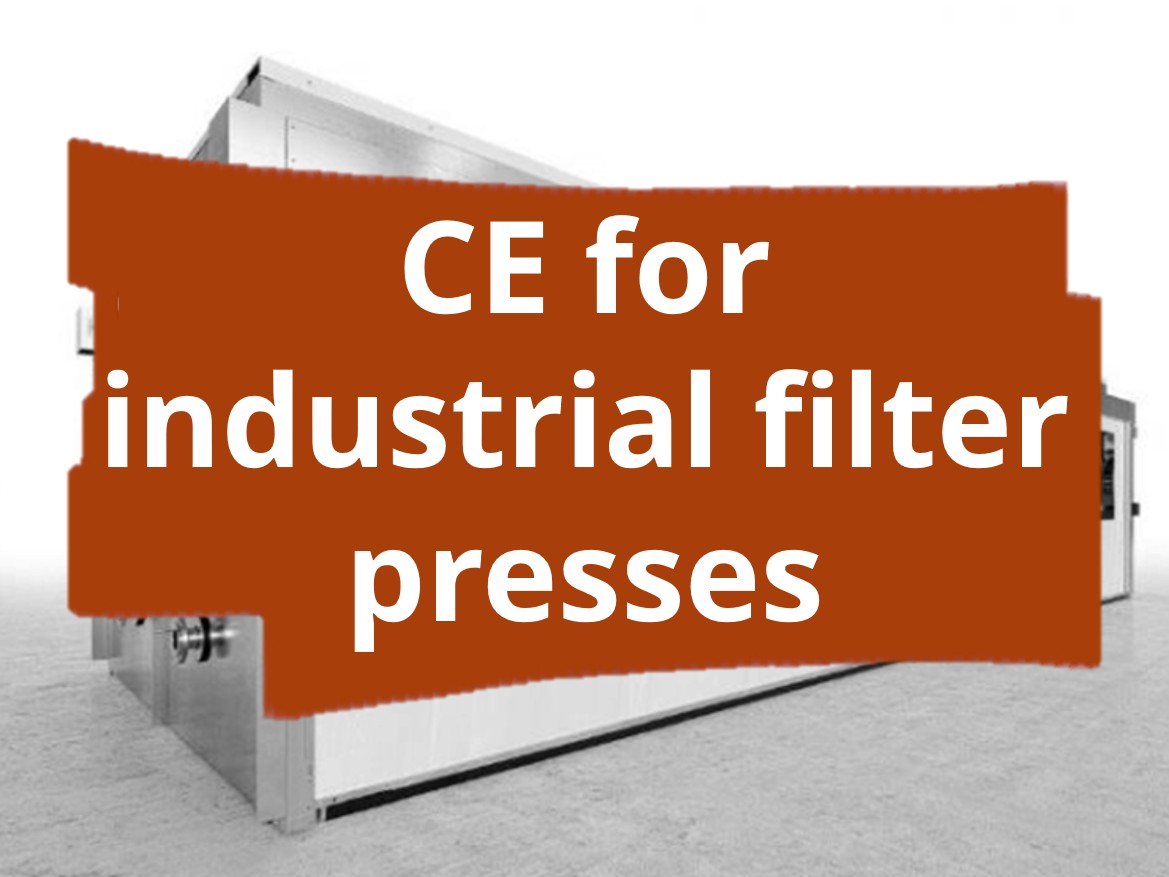
CE marking for industrial filter presses
easyCE carries out the CE marking work for filter presses that separate solids and liquids, including preparation of the declaration of conformity. The assessment focused on automatic plate transport, cleaning functions and the hydraulic drives. Protective measures included light curtains, protective blinds and emergency stop functions, alongside assessment of safety-related controls under EN ISO 13849-1 and electrical equipment under EN 60204-1.
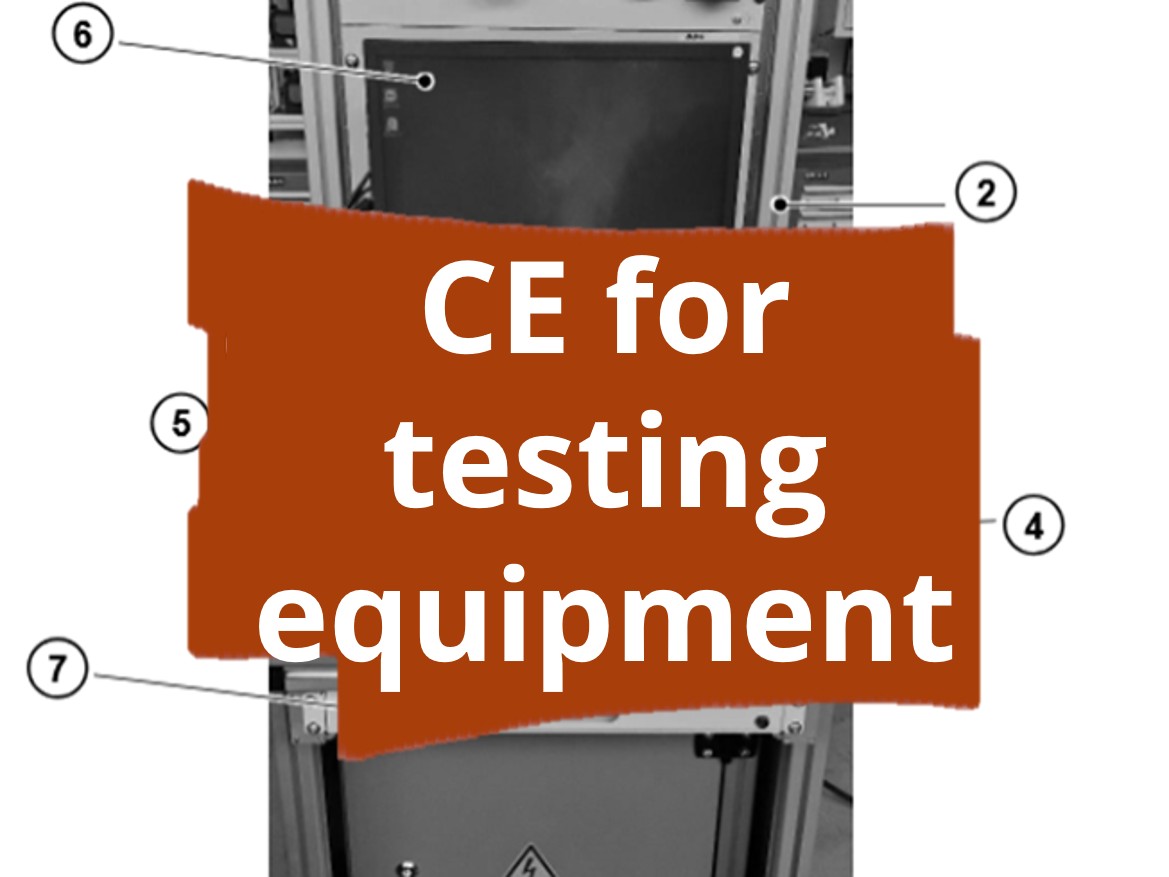
CE marking for industrial quality-assurance test equipment
easyCE assesses modular industrial test equipment and prepares the declaration of conformity ready to sign. The risk assessment under EN ISO 12100 focused on electrical hazards and safe isolation of energy sources. The work included checking protective devices, assessing the electrical equipment under EN 60204-1 and documenting the verification of safety functions.
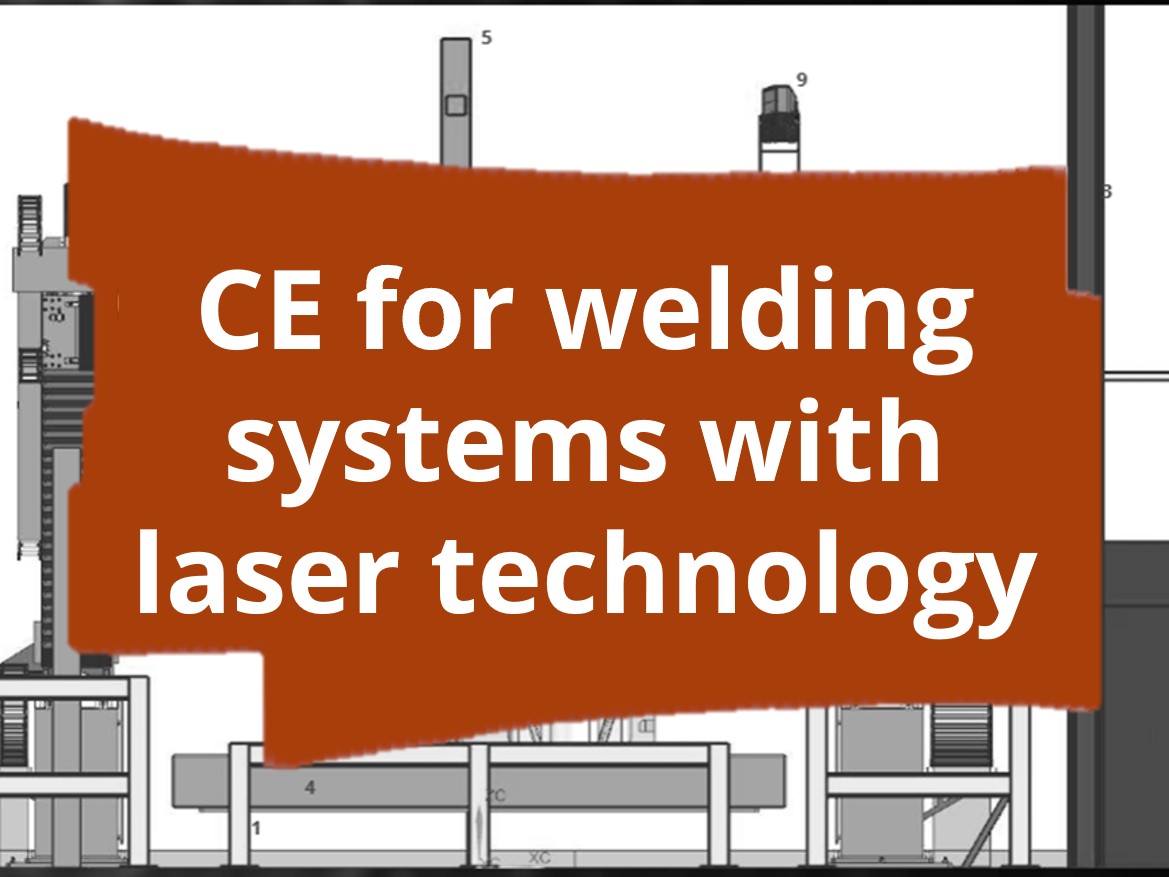
CE marking for automated welding systems
easyCE carries out the conformity assessment for automated welding systems with laser technology and fume extraction, including preparation of the declaration of conformity. The risk assessment under EN ISO 12100 covered laser hazards and the ergonomics of the exchange station. The work also considered safety-related controls under EN ISO 13849-1 and the relevant welding-equipment requirements of EN 60974-1.
CE marking for concrete-garage formwork machinery
easyCE assesses formwork systems used to manufacture concrete garages and prepares the declaration of conformity. The work focused on hydraulic components and the hazards associated with large moving formwork elements. Safety-related controls were assessed under EN ISO 13849-1, alongside the electrical-equipment requirements of EN 60204-1.
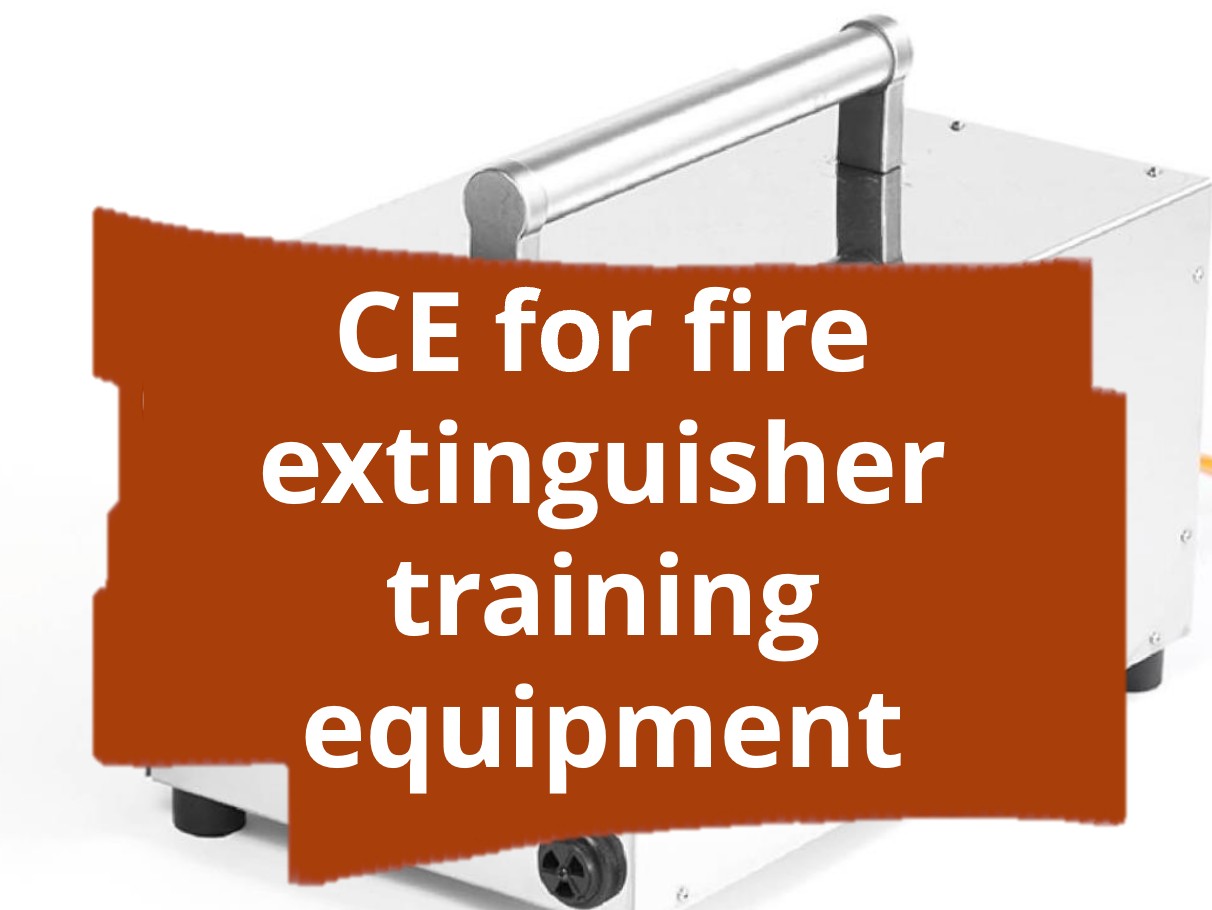
CE marking for fire-extinguisher training equipment
easyCE carries out the CE marking work for filling stations with automatic pumps used with fire-extinguisher training equipment. The assessment covered the risks of pressurising the equipment and the electrical-equipment requirements of EN 60204-1. Safety-related controls were assessed under EN ISO 13849-1, with the findings included in the documentation for the declaration of conformity.
CE marking for an automated respiratory-filter production line
easyCE assesses an integrated production line for respiratory-protection filters and prepares the declaration of conformity. The risk assessment under EN ISO 12100 focused on interfaces between the 11 modules. The work also considered explosion risks associated with the vacuum conveyor and extraction system, together with the safety-related control requirements of EN ISO 13849-1.
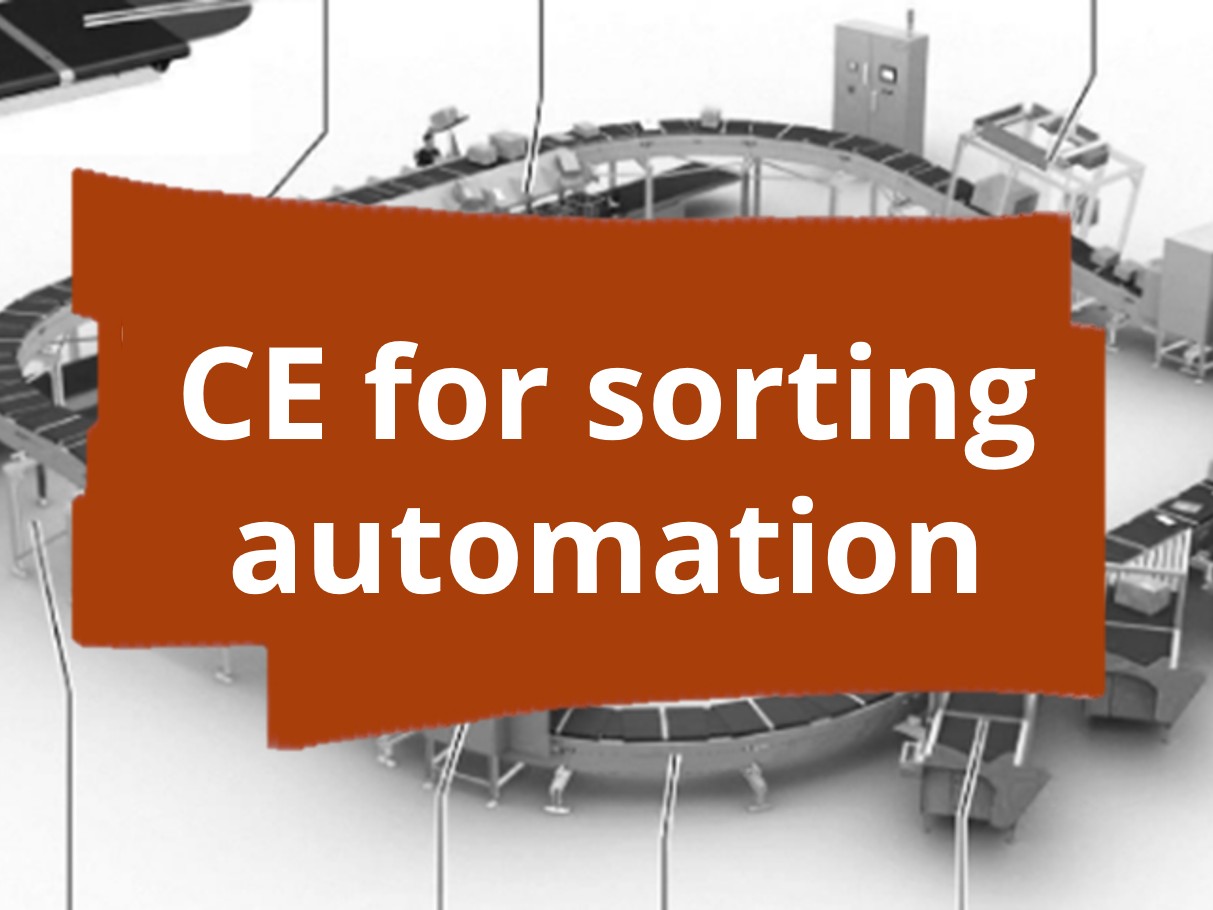
CE marking for pneumatic parcel-sorting devices
easyCE carries out the conformity assessment for pneumatic devices used in automated parcel sorting, including preparation of the declaration of conformity. The risk assessment under EN ISO 12100 focused on sensor-controlled pneumatic activation and integration into the existing sorting line. The work also covered electrical equipment under EN 60204-1 and safety-related controls under EN ISO 13849-1.
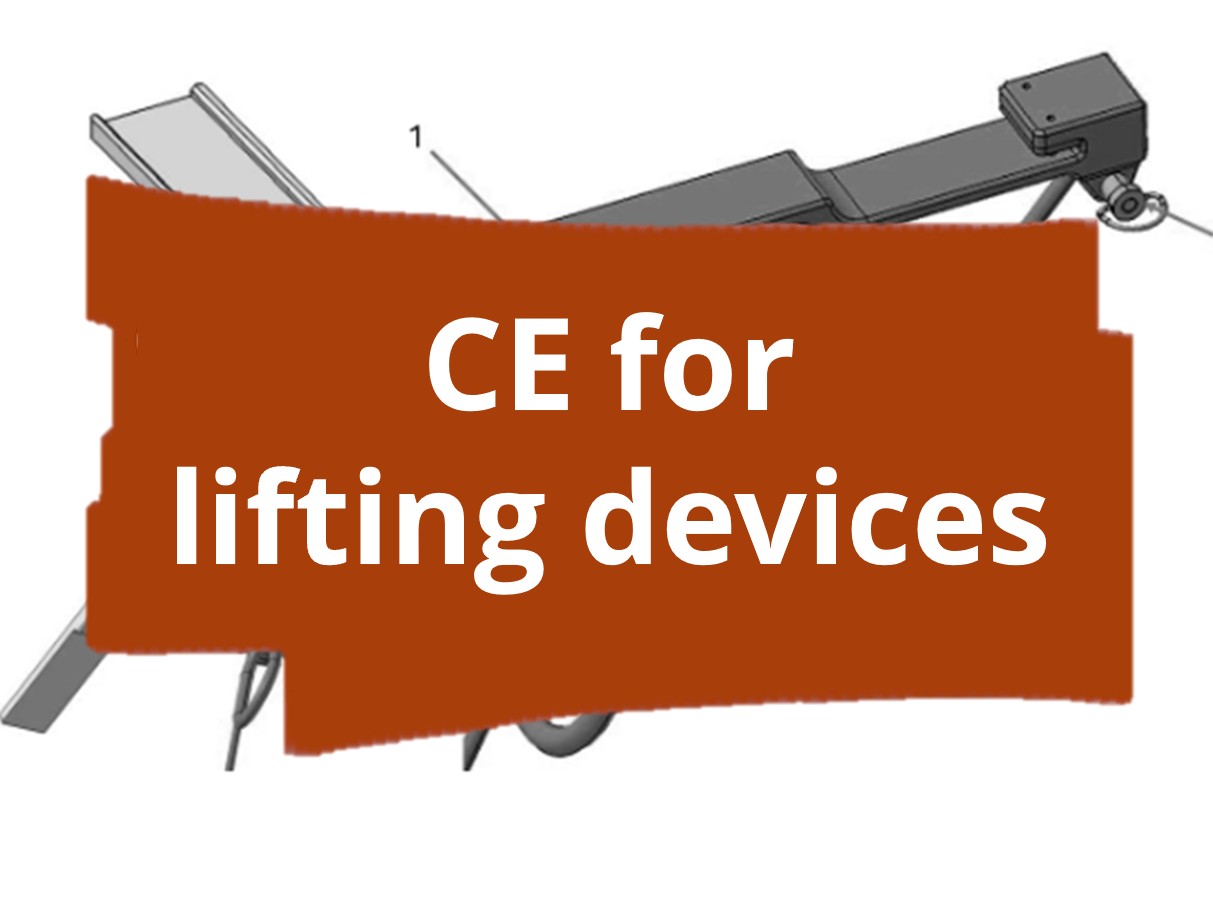
CE marking for aircraft-maintenance lifting fixtures
easyCE assesses aircraft-maintenance fixtures with lifting and positioning functions and prepares the declaration of conformity. The risk assessment under EN ISO 12100 focused on load-bearing components, mechanical stability and handling. The work considered EN 13155 for non-fixed load lifting attachments and the documented project test requirements while balancing strength and weight.
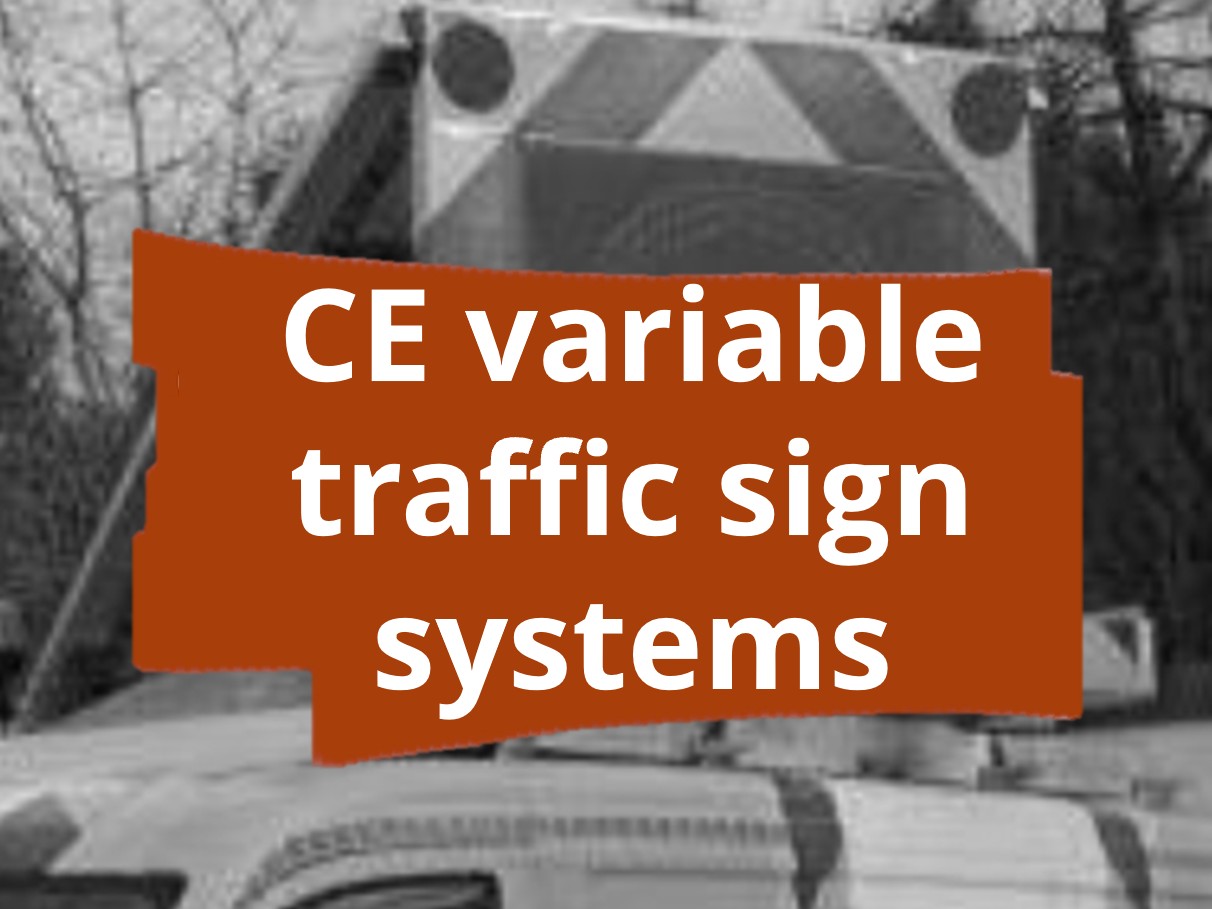
CE marking for vehicle-mounted variable traffic signs
easyCE carries out the conformity assessment for LED variable-message signs fitted to escort vehicles, including preparation of the declaration of conformity. The risk assessment under EN ISO 12100 focused on the deployment and rotation mechanisms. Safety-related controls were assessed under EN ISO 13849-1. Road-use requirements remain a separate consideration from the CE marking process.
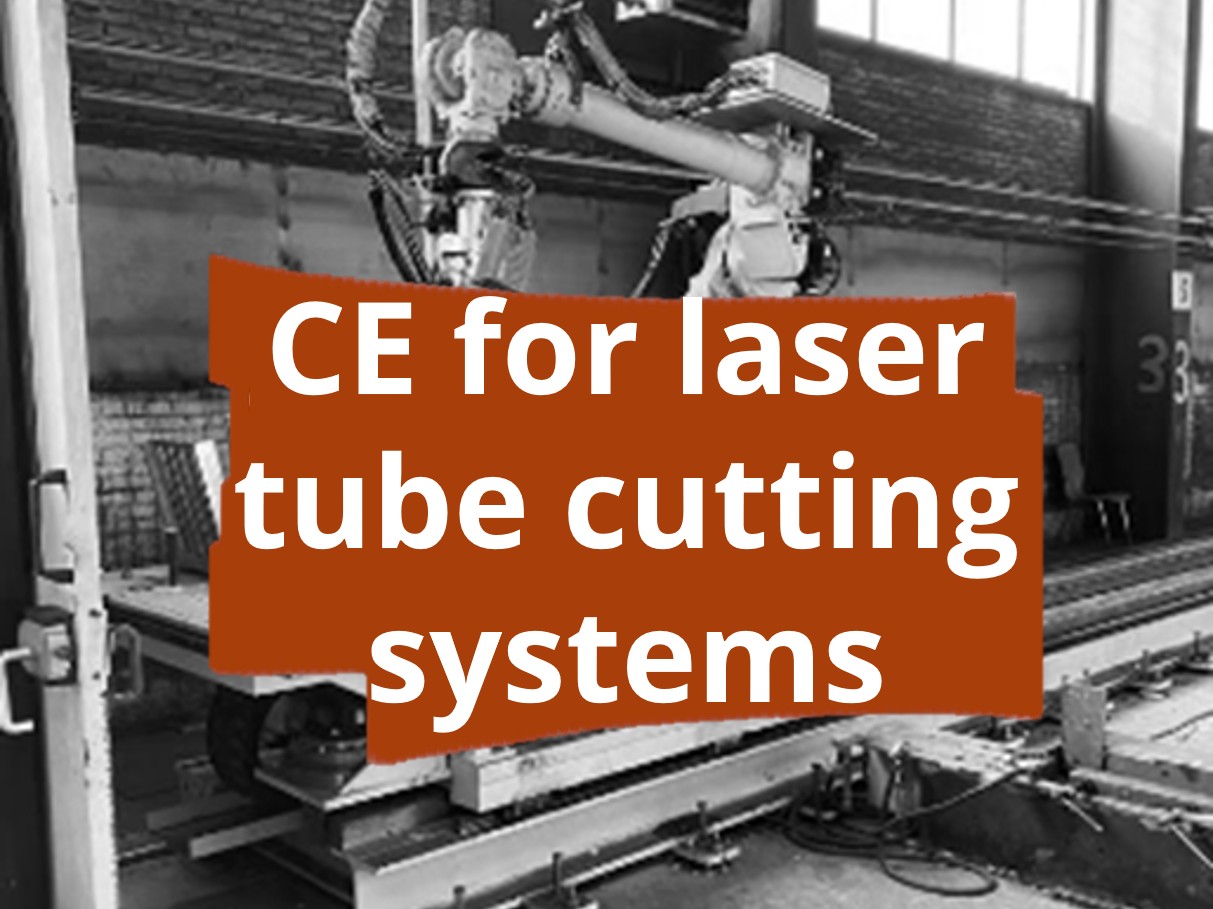
CE marking for fibre laser tube-cutting systems
easyCE assesses fibre laser systems with power ratings from 3 to 12 kW for cutting tubes and profiles. The work includes risk assessment and preparation of the declaration of conformity. The safety concept addressed material loading and unloading, manual set-up and automatic operation, with redundant safety circuits assessed under EN ISO 13849-1.
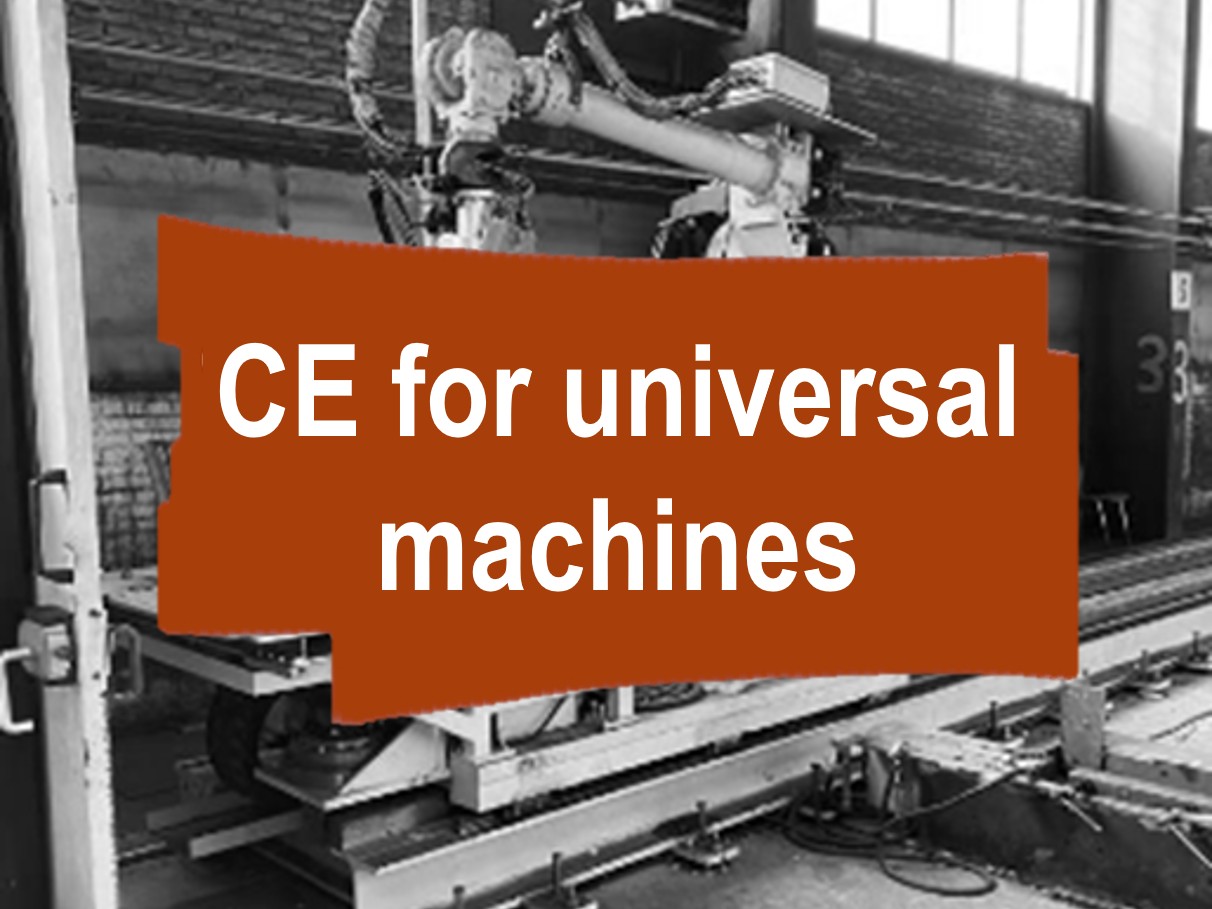
CE marking for automotive interior-part production machinery
easyCE carries out the conformity assessment for servo-hydraulic machines combining pressing, punching and edge-folding operations. The risk assessment under EN ISO 12100 addressed the interaction of these processes. The work also covered the hydraulic and electrical systems, electrical equipment under EN 60204-1 and safety-related controls under EN ISO 13849-1, with a declaration of conformity prepared ready to sign.
CE marking for large-scale wire arc additive manufacturing equipment
easyCE assesses a large industrial 3D printer using laser-assisted wire arc additive manufacturing and prepares the declaration of conformity. The risk assessment under EN ISO 12100 addressed laser hazards, heavy workpieces and access to the work area. The work covered movable guards, safety-related controls under EN ISO 13849-1 and emergency stop functions under EN ISO 13850.
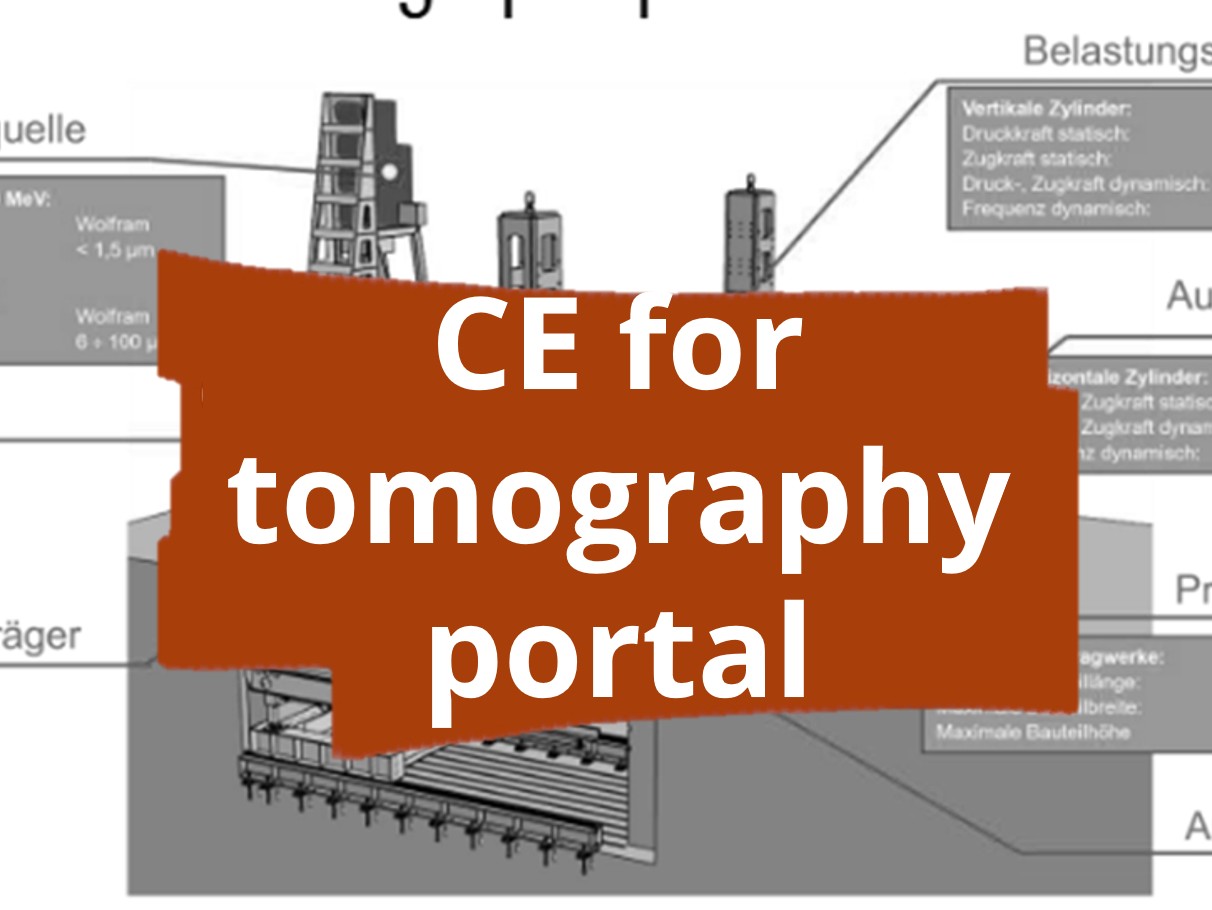
CE marking for an industrial tomography gantry
easyCE carries out the conformity assessment for a tomography gantry used to examine large concrete samples. The project required assessment of radiation-related hazards and the associated protective measures. EN 62061 and EN ISO 13849-1 were considered for safety-related controls, including key switches, light barriers and interlocks.
CE marking for a dual-robot welding system
easyCE assesses an automated welding system with two robot arms moving on a rail and prepares the declaration of conformity. The work addressed the combination of arc-stud and MAG welding, electrical equipment under EN 60204-1 and access to the work area. Door interlocking was assessed with reference to EN ISO 14119:2013.
Get started with CE marking in three simple steps
Step 1
Get free initial advice
Speak to a CE expert free of charge about the requirements for your product. Simply tell us what your product does and where you need support.
Step 2
Receive your proposal
We explain the steps involved and propose the support your project needs. You can discuss the scope and ask questions before deciding how to proceed.
Step 3
We get it done
Once you appoint us, your dedicated CE expert carries out the agreed work and supports you throughout the process. Your expert remains available for follow-up questions after completion.
We support you throughout the CE marking process
Frequently asked questions
Which production lines and special-purpose machines need CE marking?
Machinery within the scope of the Machinery Directive 2006/42/EC requires CE marking before it is placed on the EEA market or put into service. This includes one-off machines and integrated production lines that qualify as assemblies of machinery.
Examples include robot cells, linked manufacturing lines, conveyors, laser systems, test benches and mining machinery. Other rules, such as the EMC Directive or ATEX Directive, may also apply depending on the equipment. The Low Voltage Directive has a specific relationship with machinery: its electrical safety objectives apply through the Machinery Directive, rather than through a second conformity assessment for those hazards.
Partly completed machinery follows a separate procedure under machinery law, with a declaration of incorporation and assembly instructions. It must not bear CE marking under the Machinery Directive simply because it is intended for integration.
What is an assembly of machinery?
An assembly of machinery consists of machines or partly completed machinery arranged and controlled to function as an integral whole for a common purpose.
A production line or robot cell may meet this definition, but physical proximity alone is not enough. The functional and safety relationships between the units must be assessed. We review the configuration and define the appropriate system boundaries.
How do you determine whether connected machines form one assembly?
The assessment considers whether the units work together for a common purpose, are functionally linked and have a common control system. It also examines the safety relationships between them.
A hazard or operating condition in one unit may affect another, for example at a transfer point or during maintenance. We assess these interfaces and determine whether the connected machinery needs an overall conformity assessment.
What does CE marking an assembly of machinery involve?
The assembly is assessed as an integrated whole. The manufacturer must address the risks created by connecting and operating its constituent units, alongside the evidence available for each machine.
The work includes an overall risk assessment, assessment of interfaces and safety functions, technical documentation, instructions and an EC declaration of conformity for the assembly. Emergency stop arrangements must address the relevant connected equipment where continued operation could create a hazard.
Who is the manufacturer of an integrated production line?
The manufacturer is the person or organisation that takes responsibility for the assembly's design and manufacture and places it on the market under its name or puts it into service for its own use.
This may be a production line builder, an integrator or the business assembling the line for its own operations. Define the role and the documentation responsibilities early. A purchasing contract alone does not remove obligations arising from the applicable legislation.
What documentation is needed for an assembly of machinery?
The technical file must demonstrate conformity of the assembly, including the risks arising at interfaces between machines. The required documents include an overall risk assessment, design and control information, evidence for protective measures, instructions and an EC declaration of conformity.
Supplier documentation, declarations of conformity for complete machines and declarations of incorporation and assembly instructions for partly completed machinery support the assessment. They do not replace the assessment of the integrated line. We prepare the agreed documentation and identify gaps in the supplier evidence.
Do hydraulic and pneumatic machines need CE marking?
A machine does not need an electric drive to fall within the Machinery Directive. Hydraulic or pneumatic drive systems can also bring equipment within its scope.
The actual product and any exclusions must still be assessed. A hydraulic or pneumatic component is not automatically a complete machine. Pressure equipment rules may also be relevant. We identify the applicable requirements for your specific design.
Trust the experts in product safety and compliance

Willy Lebherz, Founder and Managing Director of easyCE
- Expert in product safety and compliance, since 1995
- Recipient of the "Medal of the Order of Merit of the Federal Republic of Germany", awarded in 1983 by the then Federal President Carl Carstens
- Meister qualification in measurement and control technology
- Captain (ret.), Project Officer for Technical Logistics in the Army Material Office and Chief of the Telecommunications Repair Company
easyCE specialises in product safety and conformity assessment. We combine engineering expertise with digital tools to help manufacturers, equipment users and distributors bring compliant products to market. From risk assessment and identifying relevant standards to technical documentation and test coordination, we carry out the work your project needs. You can choose support for the full process or individual tasks, with a dedicated CE expert as your point of contact. Founded in southern Germany, we work with customers worldwide.
We understand the requirements that apply to your product and can help you work through them.