Prepare your machinery for Great Britain with expert support from easyCE.
easyCE assesses your machinery, reviews existing CE evidence and prepares the agreed documentation for its GB conformity route. From risk assessment to the declaration ready for signature, we identify what is complete and what still needs action.
Willy Lebherz
Managing Director, easyCE GmbH
Declaration prepared!
The declaration required for your product, prepared for review and signature.
Risk assessment completed!
Your product hazards and risks assessed, with protective measures documented.
Requirements identified!
Applicable legislation and relevant standards identified for your product.
Documentation prepared!
Clear technical documentation and user instructions for the agreed scope.
Clear next steps!
Know which assessments, documents and declarations are needed before affixing the marking.
Machinery: the GB requirements
The right conformity route
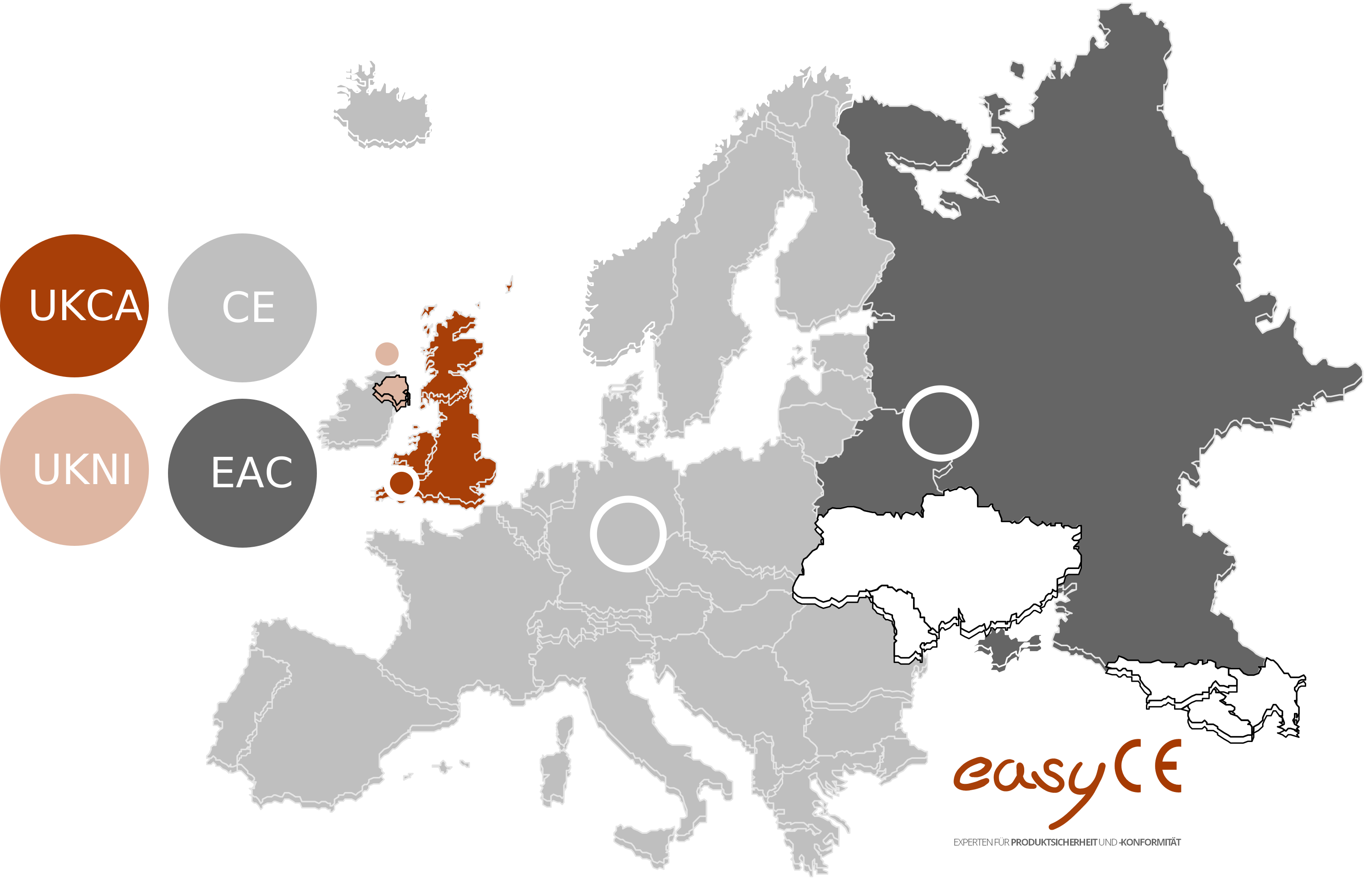
The Supply of Machinery (Safety) Regulations 2008, as amended, govern relevant machinery in Great Britain. Continued CE recognition provides an available route for compliant machinery, alongside UKCA arrangements. Check the actual machine, supply circumstances and any other applicable product rules before selecting the route.
easyCE reviews the machine and available documentation, identifies gaps and carries out the agreed assessment and technical-file work. The manufacturer remains responsible for conformity and the relevant declaration.
UKCA: the essentials
Must every component in a production line carry UKCA?
No. The requirements depend on the component and its role, and recognised CE compliance may also be valid for Great Britain. Complete machinery, partly completed machinery and other components have different documentation and marking requirements.
Review supplier declarations, assembly instructions and safety information, then assess the complete assembly and its interfaces. Component markings alone do not establish conformity of the finished production line.
Keep a clear record of the chosen conformity route and the evidence for the final assembly. Check the current rules for placing the marking and identification details on the machinery.
Can the machine carry both CE and UKCA?
Yes, if the relevant requirements for both have been met and the marks remain clear and correctly applied. UKCA should not be described as having universally replaced CE marking for machinery in Great Britain.
The manufacturer needs the appropriate declaration and technical evidence for each route used. Similarities between the regimes can make existing evidence useful, but they do not remove the need to check the requirements.
Northern Ireland is different: UKCA alone is not the required conformity marking. Assess its applicable CE and, where relevant, UKNI rules separately.
How do the GB and EU machinery frameworks differ?
Great Britain uses the Supply of Machinery (Safety) Regulations 2008, as amended. The EU machinery framework is separate. Identify the applicable legislation for the destination and the date the machine is supplied or put into service.
The regimes share a common origin but have different legal references and administrative arrangements. Do not assume that every later EU amendment automatically changes GB law.
For machines supplied to Northern Ireland, check the applicable EU-derived framework and the relevant UK implementation. A single reference to the 2008 regulations does not explain every market situation.
Which standards should be considered?
For a UKCA route, review the relevant UK designated standards and any conditions attached to their references. For an EU CE route, review the applicable harmonised standards.
The correct term is designated standards, not notified standards. They can provide a presumption of conformity for the requirements covered, but their scope and edition must be checked.
The declaration must identify the legislation and relevant technical references for the selected route. Review existing documents so that their references and product configuration remain consistent.
An EN designation is not prohibited for UKCA. UK designated standards can include British adoptions of European or international standards. Verify the published designation rather than rejecting all existing EN-based evidence.
Does UKCA require a complete new assessment?
Not automatically. Review existing assessments and test records against the available GB route, including any recognised EU requirements. Identify genuine differences instead of assuming every machine must be retested.
Documentation, economic-operator details and conformity assessment bodies may differ between routes. The relevant GB user information must meet the applicable English-language requirements.
For machinery supplied to more than one market, keep the common technical evidence together and clearly identify any market-specific requirements and declarations. The comparison below is a starting point, not a substitute for checking the selected route.
| UKCA | CE | |
|---|---|---|
| Title | UK declaration of conformity, as required by the selected route | EC declaration of conformity under Directive 2006/42/EC |
| Legislation | Applicable British legislation | Applicable EU legislation |
| Standards | Relevant UK designated standards | Relevant EU harmonised standards |
Trusted by leading businesses. Chosen for results.














Choose the right support for your project
Scroll horizontally to compare the options.
Approach to product conformity
How the work is carried out
Scope of support
Your point of contact
A product-specific route based on the applicable requirements
Existing CE evidence reviewed for the selected UKCA route
An agreed overall scope or selected individual tasks
A dedicated expert who knows your project
Other service providers
Approach depends on the provider and agreed service
Delivery methods vary between providers
Scope defined by the service agreement
Contact arrangements depend on the provider
CE software
Tools organise assessments and documentation
Your team supplies the technical input and uses the tools
Features depend on the selected software and modules
Expert assistance depends on the service package
Technical expertise. A clear plan.
Successful projects. Results that speak for themselves.
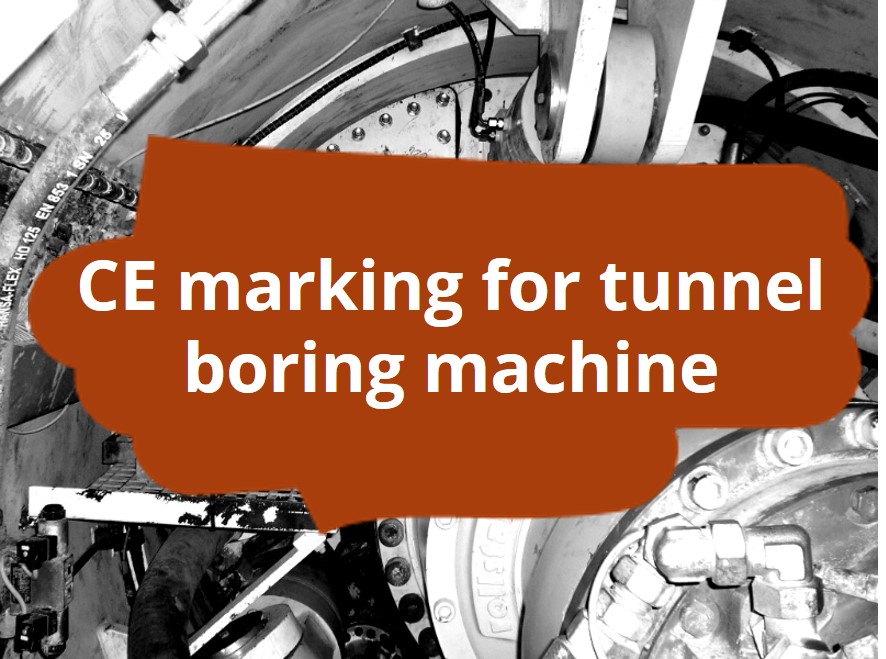
CE marking for a tunnel boring machine used in Australian copper mining
easyCE carries out the conformity assessment for a tunnel boring machine, including risk assessment across its lifecycle and preparation of a declaration of conformity ready to sign. The assessment focused on the new multi-arm cutting-head concept. The work also considered the applicable Australian safety and technical requirements, in close cooperation with the manufacturer and its Australian customer.
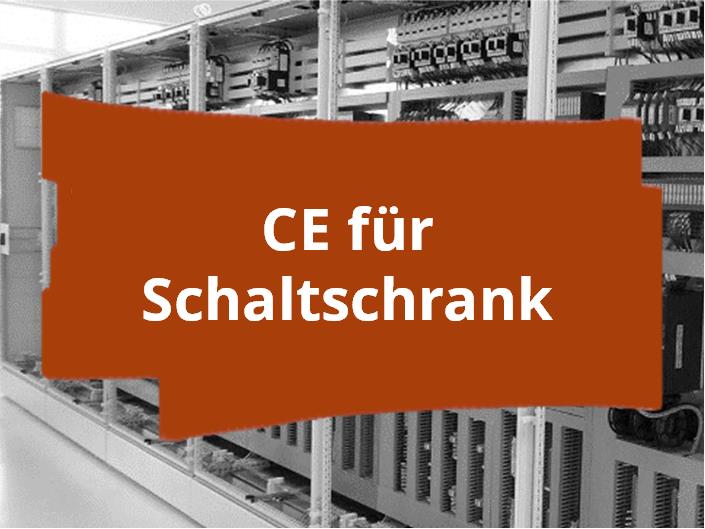
CE marking for control cabinets
easyCE supports the conformity assessment for control cabinets, including risk assessment and preparation of a declaration of conformity ready to sign. The assessment considered the Machinery, EMC and Low Voltage Directives, alongside DIN EN 60204-1:2019-06 and DIN EN IEC 61439-1:2021-10. The work also included a checklist to help select suppliers and components that meet the project's specific requirements.

CE marking for a mobile satellite communications system
easyCE supports the conformity assessment of a mobile satellite communications system, including risk assessment, EMC review and preparation of a declaration of conformity ready to sign. The system routes TCP/IP data redundantly through two or more satellite antennas. It is designed for rapid deployment where a mobile communications link is needed over long distances.
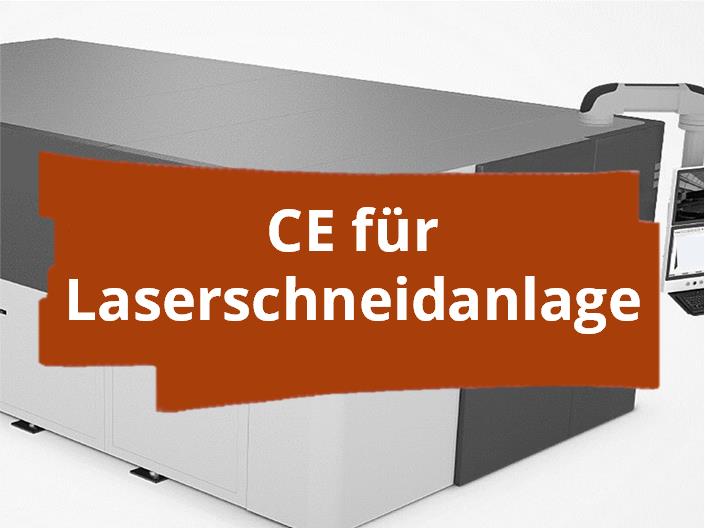
CE marking and declaration of conformity for a 2D laser cutting system
easyCE supports the full conformity assessment for a 2D laser cutting system with an automatic pallet changer. The work included coordinating the safety concept and two-beam light barrier, determining the performance level, analysing the product and carrying out a risk assessment in accordance with EN ISO 12100. Particular attention was needed for the cutting head's support structure and the movements of the pallet changer and cutting head. Laser protection screens, safety devices and a complete enclosure shield operators from the Class 4 laser cutting process inside the cabin, with Class 1 laser conditions outside the machine.
Get started in three steps
Step 1
Get free initial advice
Tell us what your product does, where you plan to supply it and what evidence you already have. An expert will discuss the relevant requirements and next steps with you, free of charge.
Step 2
Receive your proposal
We prepare a proposal defining the work, required inputs and deliverables. Your expert explains the selected conformity route and any outstanding assessment or documentation tasks.
Step 3
Start the agreed work
Your dedicated expert carries out and coordinates the agreed technical and documentation work. We explain the results and outstanding actions at handover. Any ongoing updates or additional services are agreed separately.
Prepare your product for its market
Your experts in product safety and compliance

Willy Lebherz, Founder and Managing Director of easyCE
- Product safety and compliance expert since 1995
- Recipient of the "Medal of the Order of Merit of the Federal Republic of Germany", awarded in 1983 by the then Federal President Carl Carstens
- Meister qualification in measurement and control technology
- Retired captain, former technical logistics project officer and commander of a telecommunications repair company
easyCE is an engineering consultancy specialising in product safety and compliance. We work with manufacturers, machinery users and distributors on risk assessments, standards research, protective measures and technical documentation. Our experts also coordinate required testing and other agreed conformity assessment tasks. You can commission an overall project scope or individual services. Founded in southern Germany, easyCE works with clients internationally.
A clear assessment, practical documentation and an expert who knows your machinery.