CE marking for machinery done! With easyCE expert support.


Understand the CE requirements for your machinery and plan the assessment with confidence. easyCE identifies the applicable requirements, assesses risks and prepares the technical documentation and declaration. We support individual machines, integrated systems and modifications, with clear evidence and responsibilities throughout the project.
Willy Lebherz
Founder and Managing Director of easyCE GmbH
DoC ready to sign!
Receive the declaration for your review and signature once the required assessment and evidence are complete.
Risk assessment completed!
Identify product hazards, assess risks and document the necessary protective measures.
Applicable standards identified!
We identify the relevant harmonised standards and check their scope, current references and any restrictions for your product.
Technical documentation prepared!
Bring the assessment, supporting evidence and product instructions together in a structured technical file.
CE marking prepared!
Clarify the marking and information your product needs before it is placed on the market.
Plan ahead for the Machinery Regulation.
The Machinery Directive remains the main EU framework until the Machinery Regulation (EU) 2023/1230 generally applies from 20 January 2027.
Machinery Directive requirements. The essentials.
Requirements at a glance
Directive 2006/42/EC remains the main EU machinery framework until Regulation (EU) 2023/1230 generally applies on 20 January 2027. The relevant placing-on-the-market or putting-into-service date determines which framework to apply, alongside the specific transitional provisions.
Machinery, assemblies of machinery and partly completed machinery require different treatment. A modification does not automatically require a new CE assessment, and placing machines next to one another does not automatically create an assembly. Assess the functions, control interfaces and new or increased risks.
easyCE carries out the requirements review, risk assessment and agreed technical documentation tasks. We identify the appropriate declaration and assessment route, coordinate supporting evidence and give you a structured handover. The manufacturer retains responsibility for demonstrating conformity and signing the declaration.
Frequently asked questions
What is the Machinery Directive?
Directive 2006/42/EC sets essential health and safety requirements for machinery and related products within its scope. It has applied since 29 December 2009.
Regulation (EU) 2023/1230 generally replaces it from 20 January 2027. Plan new projects around the applicable date and requirements rather than changing the reference on an existing declaration without reviewing the product.
How is the directive structured?
The articles define scope, responsibilities and assessment procedures. The annexes contain the detailed requirements and documentation arrangements.
- Annex I: essential health and safety requirements.
- Annex II: declarations of conformity and incorporation.
- Annex III: CE marking.
- Annex IV: machinery categories with specific assessment provisions.
- Annex V: an indicative list of safety components.
- Annex VI: assembly instructions for partly completed machinery.
- Annex VII: technical files and relevant technical documentation.
- Annexes VIII to X: conformity assessment procedures.
Which machinery is covered?
Scope depends on the definitions and exclusions in Articles 1 and 2. The directive can apply to newly manufactured machinery, machinery made for own use and machinery first imported into the EU from a third country.
An existing machine already lawfully supplied in the EU does not automatically need a new conformity assessment whenever it is resold or installed elsewhere. Workplace-use obligations remain separate.
Does linking machines create a new assessment obligation?
An integrated assembly of machinery may require assessment as a whole where its constituent units are arranged and controlled to function together as an integral whole.
Assess the common function, control system and safety-related interfaces. Simply positioning machines alongside one another is not enough. Identify the party responsible for the assembly and document the assessment boundary.
Does every machinery modification require new CE marking?
No. Assess whether the change creates a substantially new product or introduces new or increased risks that require treatment under the applicable framework.
The decision should be documented against the actual modification, existing protective measures and relevant national interpretation. Changes to function, performance or controls require assessment, but they do not automatically trigger the same outcome in every case.
What must the machinery manufacturer do?
The manufacturer identifies the applicable requirements, assesses risks and ensures that the machinery meets the relevant essential health and safety requirements.
Before placing machinery on the market or putting it into service, complete the applicable assessment procedure, compile the technical file, provide instructions, issue the EC declaration of conformity and affix CE marking. Partly completed machinery follows a different documentation route.
Which product categories does the directive address?
The scope includes machinery, interchangeable equipment, safety components, lifting accessories, chains, ropes and webbing for lifting, removable mechanical transmission devices and partly completed machinery.
The relevant definitions and exclusions determine the requirements for each category. Partly completed machinery is within scope but does not receive CE marking under the Machinery Directive.
What counts as machinery?
Machinery generally means an assembly of linked parts or components, at least one of which moves, joined for a specific application and fitted or intended to be fitted with a drive system other than direct human or animal effort.
The definition also includes specified assemblies awaiting connection or installation and assemblies functioning as an integral whole. Manually powered machinery for lifting loads is also covered.
What is interchangeable equipment?
It is equipment assembled with machinery or a tractor by the operator after putting it into service to change its function or give it a new function, provided it is not a tool.
Its conformity assessment must address the intended combinations and interfaces. The correct term is “interchangeable equipment”, not “replaceable equipment”.
What is a safety component?
A safety component fulfils a safety function, is independently placed on the market and would endanger people if it failed, while not being necessary for the machinery’s basic operation or being replaceable by a normal component.
Annex V provides an indicative list. Not every guard or replacement part independently requires CE marking. Check the definition and the specific exclusion for identical replacement safety components supplied by the original machinery manufacturer.
What is a lifting accessory?
A lifting accessory allows a load to be held and is placed between the lifting machinery and the load, on the load itself, or is intended to form an integral part of the load and is independently placed on the market.
Slings and their components are also included. The assessment should address the intended load, connection arrangements and operating conditions.
What is partly completed machinery?
It is an assembly that is almost machinery but cannot itself perform a specific application and is intended for incorporation into other machinery or equipment.
The manufacturer provides the relevant technical documentation, assembly instructions and a declaration of incorporation. It does not affix CE marking under the Machinery Directive to the partly completed machinery. The completed machine or assembly must undergo its own applicable assessment.
What is excluded from the directive?
Article 1 lists specific exclusions, including certain transport equipment, fairground equipment, machinery for particular nuclear purposes, military or police machinery and temporary laboratory research machinery.
The exclusions have conditions and do not cover every product associated with a sector. Machinery mounted on a vehicle can remain within scope. Manually powered lifting machinery is not excluded simply because it uses human effort.
How is a machinery risk assessment carried out?
Define the machine’s limits, intended use and reasonably foreseeable misuse. Identify hazards, estimate and evaluate the risks, then apply and verify protective measures.
Follow the hierarchy of inherently safe design, safeguarding and complementary protective measures, then information for use. Consider relevant lifecycle stages, including transport, installation, operation, maintenance and decommissioning.
How are essential requirements addressed?
Map the machine against the relevant requirements in Annex I and document how each applicable requirement is met.
The annex includes general requirements and additional provisions for specific uses or hazards, such as food processing, mobility, lifting and underground work. Harmonised standards are voluntary but can provide a presumption of conformity for the requirements they cover. Instructions must satisfy the applicable language and content requirements.
What belongs in the machinery technical file?
The file must show how the machinery meets the applicable requirements and allow the relevant evidence to be assembled for the competent authorities.
- A machinery description, drawings and control-circuit information.
- Risk assessment and the protective measures adopted.
- Applicable standards and other technical specifications.
- Calculations, examinations and test reports.
- Instructions and the relevant component or incorporation documents.
- A copy of the declaration of conformity.
Keep the file available for at least ten years after manufacture, or the last unit for series production. The directive does not impose a universal 48-hour retrieval deadline.
How are machinery standards selected?
Type-A standards address general principles, Type-B standards address particular safety aspects or safeguards, and Type-C standards address specific machinery categories.
EN ISO 12100 provides the general risk-assessment and risk-reduction framework. Other examples include EN ISO 13850 for emergency-stop functions, EN ISO 14120 for guards and EN ISO 13857 for safety distances. Check the relevant product-specific standard, edition and Official Journal status rather than reuse a stale list.
Why does a well-documented assessment matter?
It connects the machine’s design and protective measures with the evidence supporting conformity. It also helps the manufacturer manage changes, answer authority questions and provide clear instructions.
Non-compliance can lead to corrective measures, restrictions, withdrawal or recall and national penalties. Documentation does not eliminate liability or guarantee safety, but it is an essential part of demonstrating that the required assessment has been carried out.
Trusted by leading businesses. Chosen for results.














Your compliance project. Expertly handled.
Scroll horizontally to compare the options.
Approach to CE marking
Flexibility of support
Scope of support
Project contact
A clear, practical approach to CE marking
Our experts guide you through CE marking, with support tailored to your needs
Choose the support you need: the full CE marking process or help with individual steps
From the start, you have a dedicated CE expert to support you throughout the process
Other CE service providers
Approach and project fit depend on the provider
Processes and flexibility depend on the provider
Scope agreed with the provider
Contact arrangements agreed for the project
CE software
A standardised workflow that your team adapts to the project
Your team manages the software and carries out the assessment
Features depend on the software and the modules purchased
Technical project support may require an additional service
Expertise that moves your project forward.
Successful projects. Results that speak for themselves.
CE marking for mobile conveyor stacker systems with remote control
easyCE supports the CE marking process for a mobile conveyor stacker system, including a declaration of conformity ready to sign. The safety design needed to address both local and remote operation. A risk assessment in accordance with EN ISO 12100 identified hazards and the protective measures needed. The work covered safety-related controls under EN ISO 13849-1 and emergency stop functions in both operating modes under EN 60204-1.
CE marking for an electric plate separator
easyCE supports the CE marking process for a plate separator that removes liquid droplets from aerosols, including preparation of the declaration of conformity. The assessment covered the pressure-regulating valve and electrical controls under EN 60204-1. The risk assessment in accordance with EN ISO 12100 focused on thermal hazards and the system's behaviour if a control signal is lost.
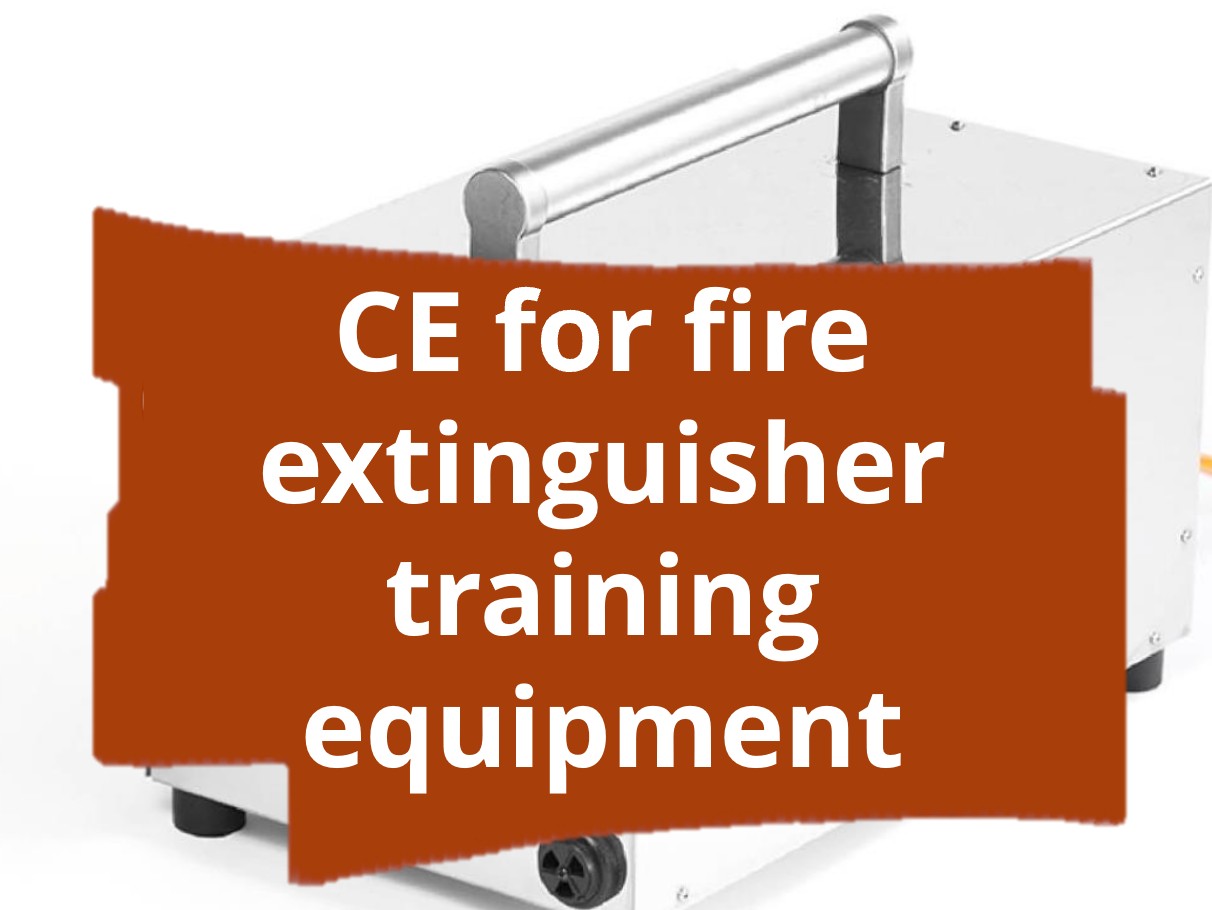
CE marking for automotive fire-resistance test equipment
easyCE supports the CE marking process for a specialised test rig used for fire-resistance tests under ECE R100, including preparation of the declaration of conformity. A key challenge was analysing ignition sources and developing the safety-related controls under EN ISO 13849-1 for a process that deliberately generates fire. The safety concept included redundant systems, personnel-presence checks and interlocked access under EN ISO 14119.
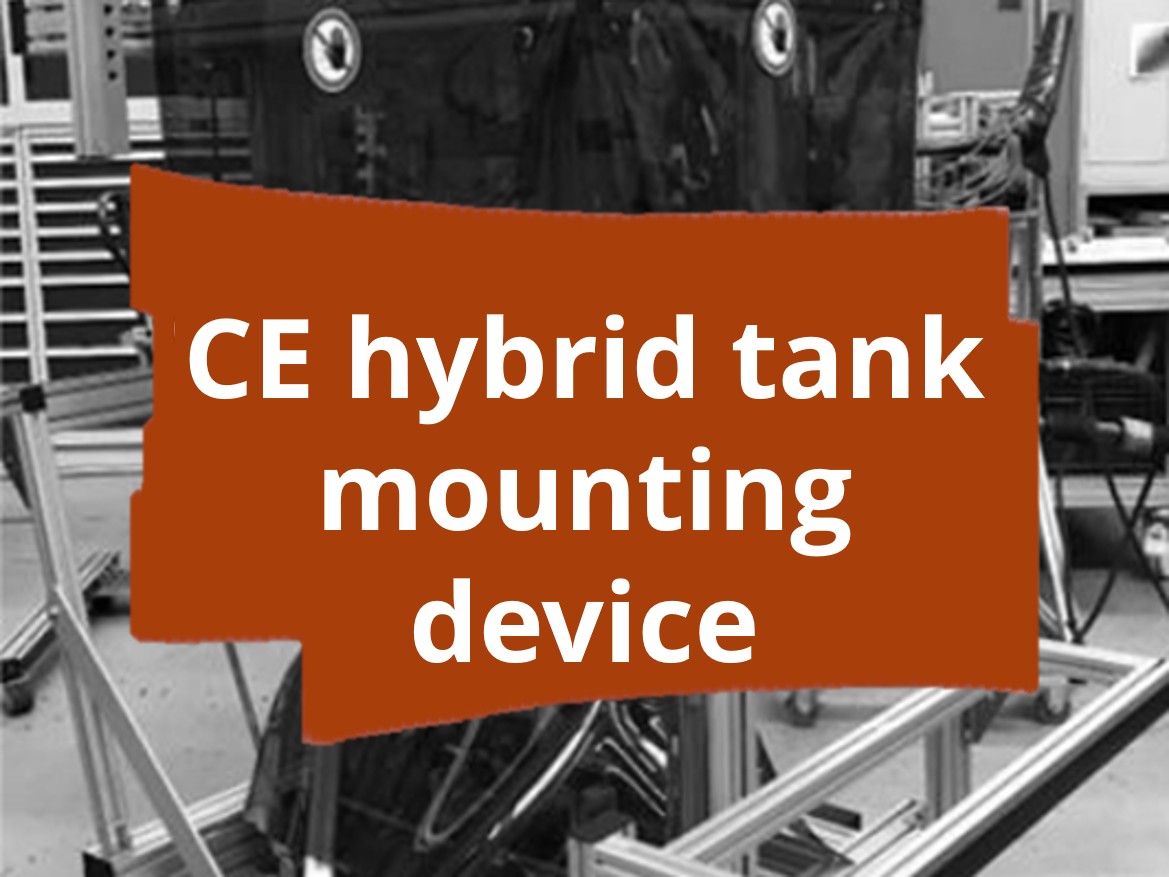
CE marking for a vehicle tank mounting device
easyCE carries out the conformity assessment for a rail-guided mounting device with a spindle drive and prepares the declaration of conformity ready to sign. The risk assessment under EN ISO 12100 focused on holding the raised tank securely while four integrated cordless screwdrivers perform the fastening operation. The work also addressed the device's mechanical switching arrangement.
CE marking for process control systems in the concrete industry
easyCE assesses industrial process control systems and prepares the agreed conformity documentation. The work covers safety functions and performance levels under EN ISO 13849-1, together with the integration of bus systems and interfaces. EN 61131-3 was considered for programmable-controller software. The assessment addresses the controller software and its role in the complete system.
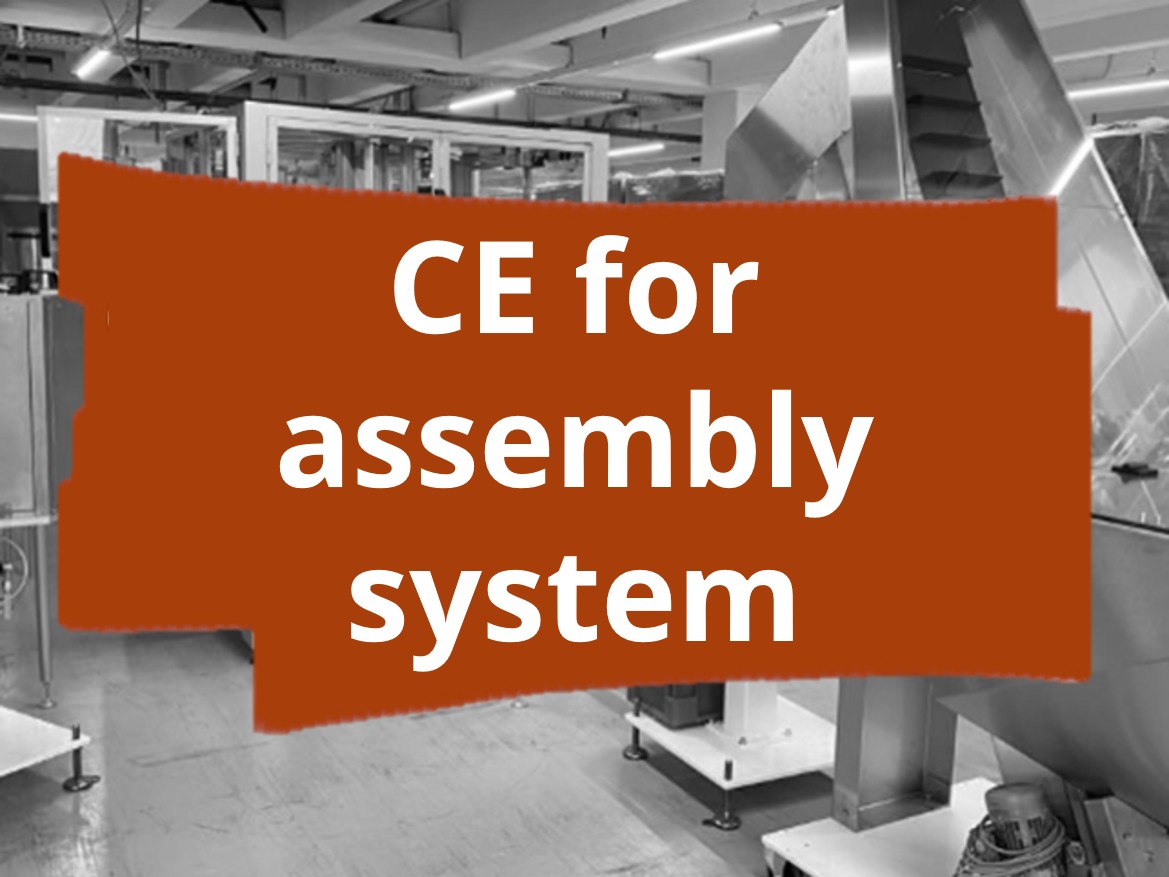
CE marking for a plastic-container assembly system
easyCE carries out the conformity assessment for a rotary transfer system used to assemble plastic containers and prepares the declaration of conformity. The risk assessment under EN ISO 12100 covered enclosures, access and operator protection. The work addressed guard interlocks under EN ISO 14119, safety-related controls under EN ISO 13849-1 and hygiene requirements for the intended cosmetics-production application.
CE marking for rotary-indexing assembly systems
easyCE supports the conformity assessment of automated assembly systems with a rotary indexing table and multiple feeding stations, including preparation of a declaration of conformity ready to sign. The risk assessment under EN ISO 12100 addressed the interaction of protective measures and the safety-related controls under EN ISO 13849-1. Particular attention was given to servo-controlled movements at the indexing table and the electrical equipment requirements of EN 60204-1.
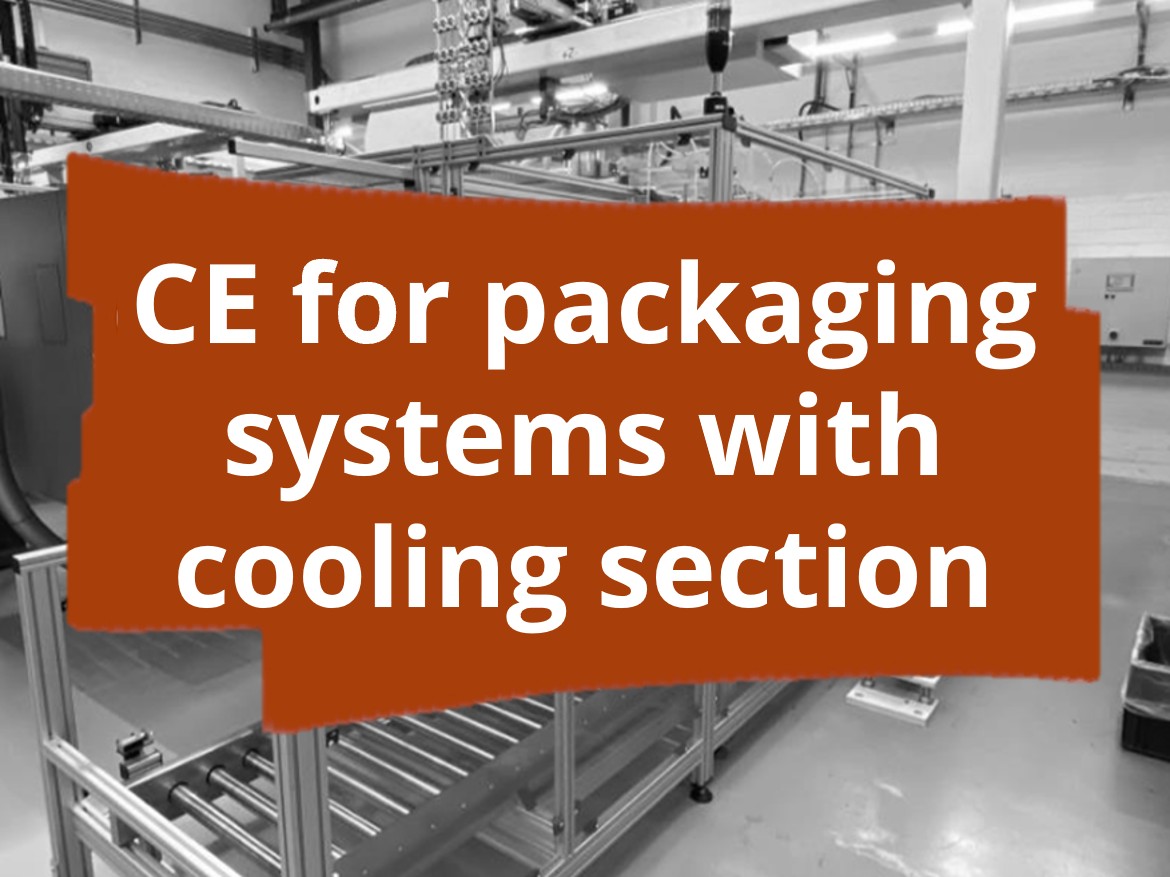
CE marking for packaging machinery with a cooling section
easyCE carries out the conformity assessment for a system that automatically closes and packages plastic closures. The work includes preparation of the declaration of conformity. The assessment focused on the swivelling conveyor mechanism and its safety-related controls under EN ISO 13849-1, alongside the packaging-machine requirements of DIN EN 415-7.
CE marking for automated rotary assembly systems
easyCE carries out the CE marking work for rotary systems that join plastic components, including preparation of the declaration of conformity. The risk assessment under EN ISO 12100 addressed the interaction of protective devices, including dual-channel emergency stop functions and access-door sensors. Safety-related controls were assessed with reference to EN ISO 13849-1.
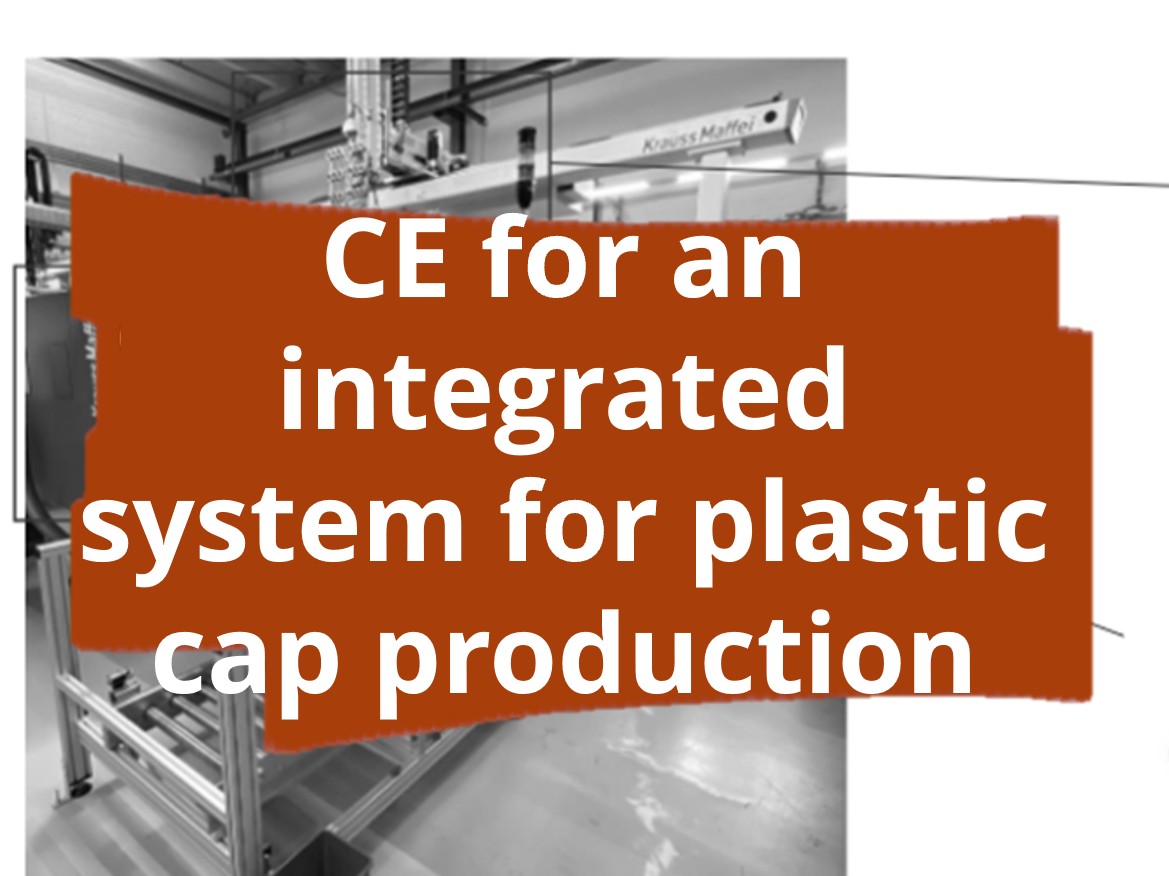
CE marking for an integrated plastic-cap production line
easyCE assesses an integrated line comprising an injection-moulding machine, a linear robot and a packaging system. The work includes the overall risk assessment and declaration of conformity. Particular attention was given to transfer points and shared safety functions under EN ISO 13849-1. A common emergency stop function under EN ISO 13850 was implemented to stop all three machines when required by the safety concept.
CE marking for film and photography lighting control gear
easyCE supports the conformity assessment of control gear for specialist film and photography lighting, including preparation of the declaration of conformity ready to sign. The assessment covers electromagnetic compatibility with reference to EN 55015 and the safety of electronic control gear for LED modules under EN 61347-2-13. Overheating protection and the power supply arrangement are assessed with reference to EN 60598-1.
CE marking for decorative wooden lamps
easyCE supports the conformity assessment of handcrafted wooden lamps with integrated electrical components, including preparation of the declaration of conformity ready to sign. The assessment considers the thermal load on the wooden body and electrical safety with reference to EN 60598-1. Further work covers insulation, cable strain relief and clear marking of the permitted lamp power.
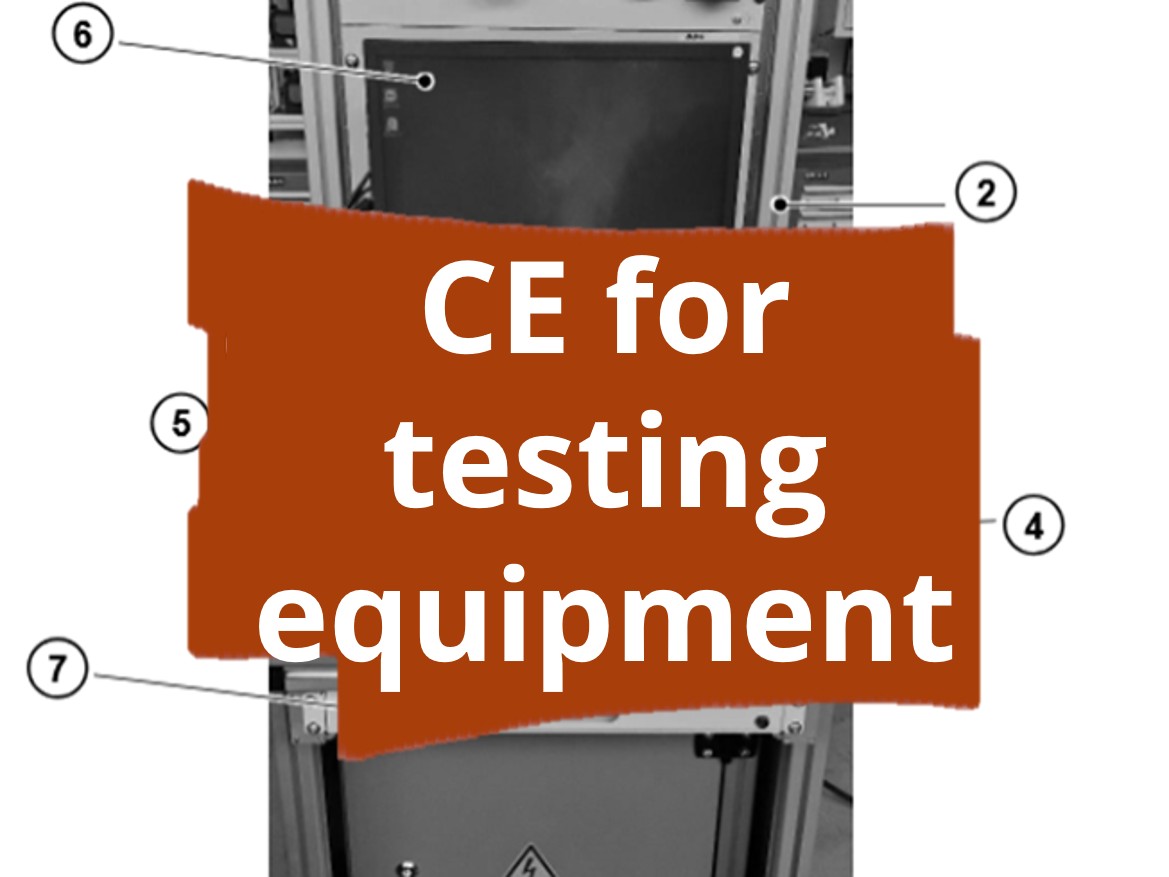
CE marking for industrial quality-assurance test equipment
easyCE assesses modular industrial test equipment and prepares the declaration of conformity ready to sign. The risk assessment under EN ISO 12100 focused on electrical hazards and safe isolation of energy sources. The work included checking protective devices, assessing the electrical equipment under EN 60204-1 and documenting the verification of safety functions.
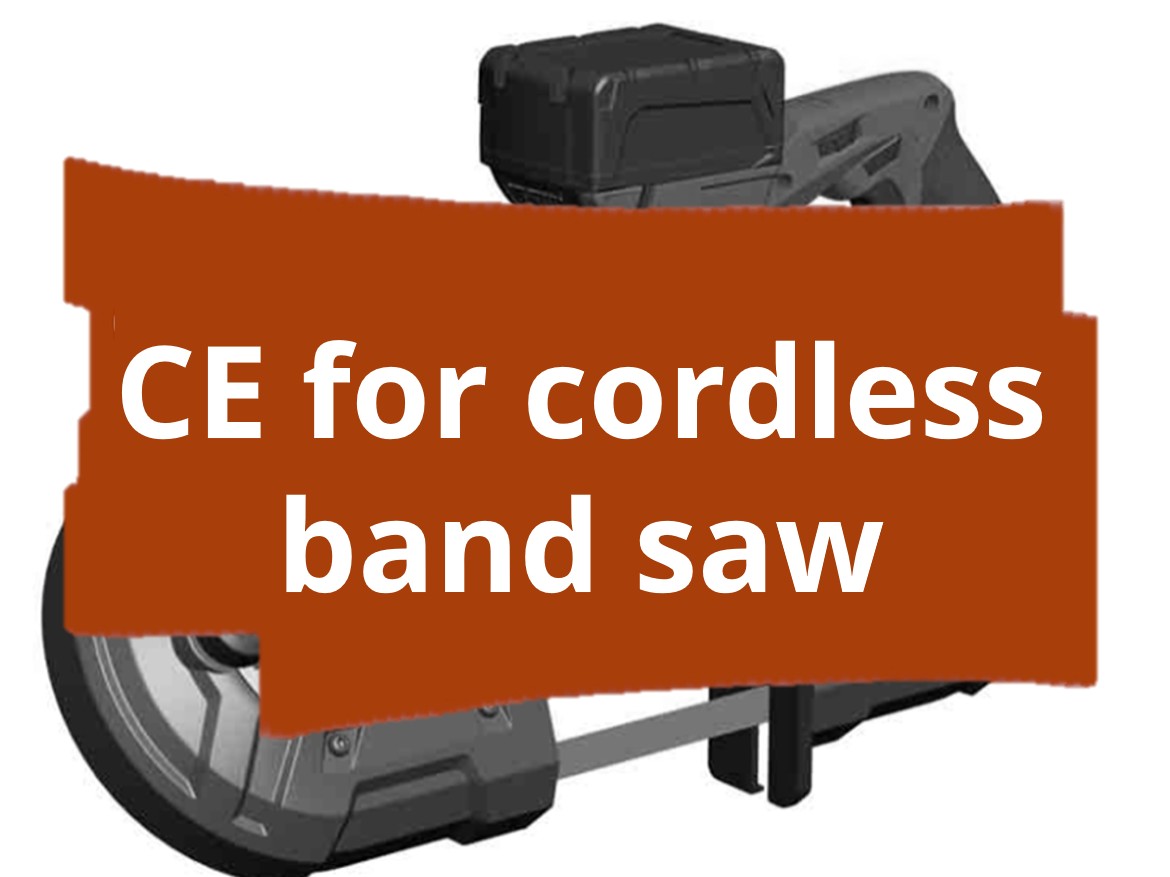
CE marking for cordless band saws
easyCE supports the conformity assessment of battery-powered, hand-held band saws for metalworking, including preparation of the declaration of conformity ready to sign. The project considers the safety requirements of EN 60745-1 and EN 60745-2-20. Risk assessment in accordance with EN ISO 12100 identifies hazards during cutting and informs the selection of protective measures.
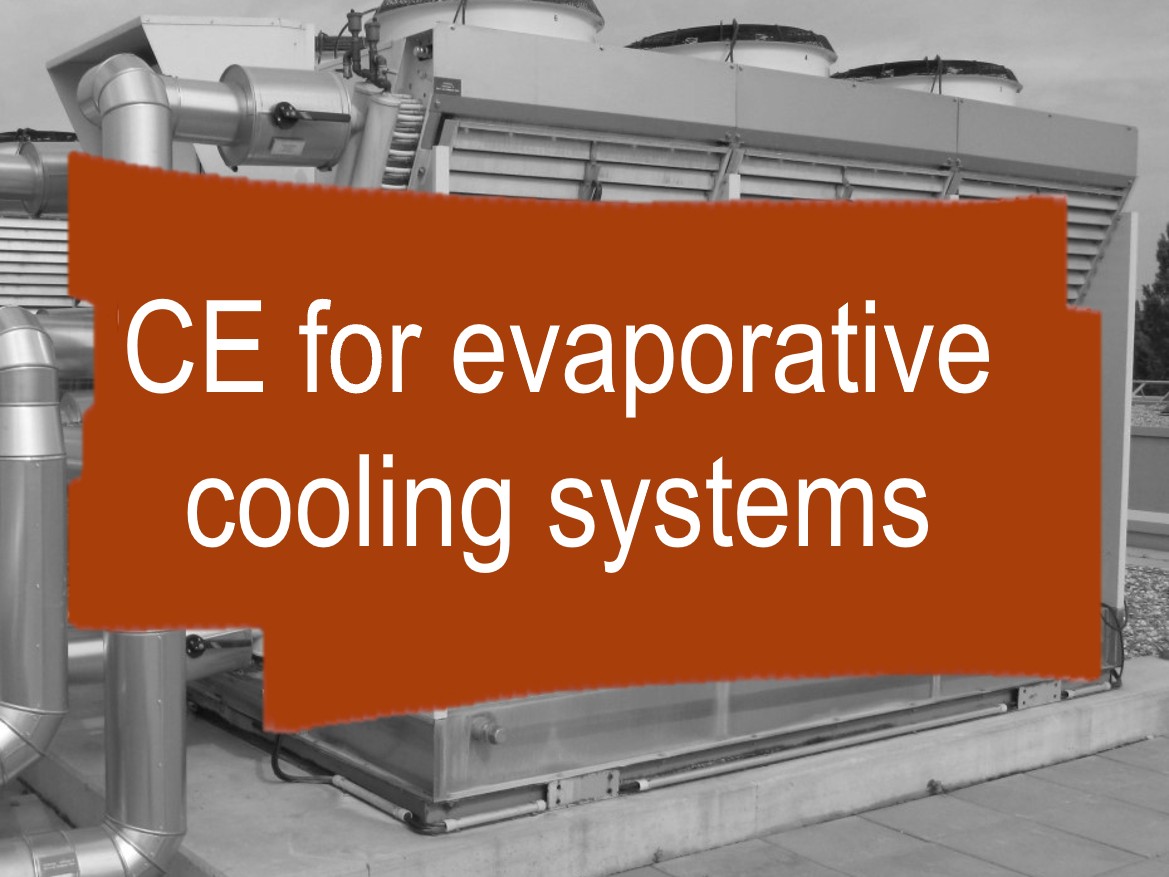
CE marking for industrial evaporative cooling systems
easyCE supports the CE marking process for industrial cooling systems with water circulation and automatic temperature control, including preparation of the declaration of conformity. The work covered risk assessment under EN ISO 12100 and electrical safety under EN 60204-1. A key challenge was integrating the water-circuit and fan controls while addressing the safety-related control requirements of EN ISO 13849-1.
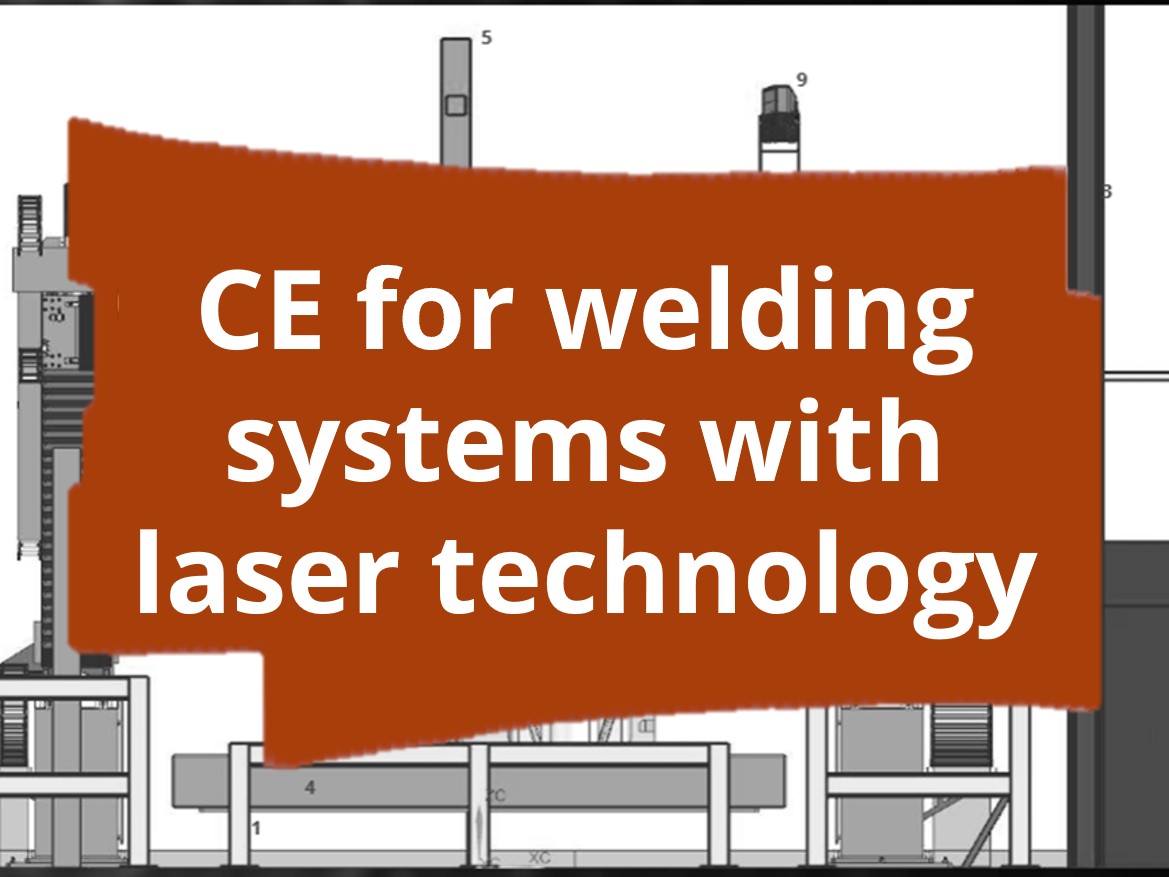
CE marking for automated welding systems
easyCE carries out the conformity assessment for automated welding systems with laser technology and fume extraction, including preparation of the declaration of conformity. The risk assessment under EN ISO 12100 covered laser hazards and the ergonomics of the exchange station. The work also considered safety-related controls under EN ISO 13849-1 and the relevant welding-equipment requirements of EN 60974-1.
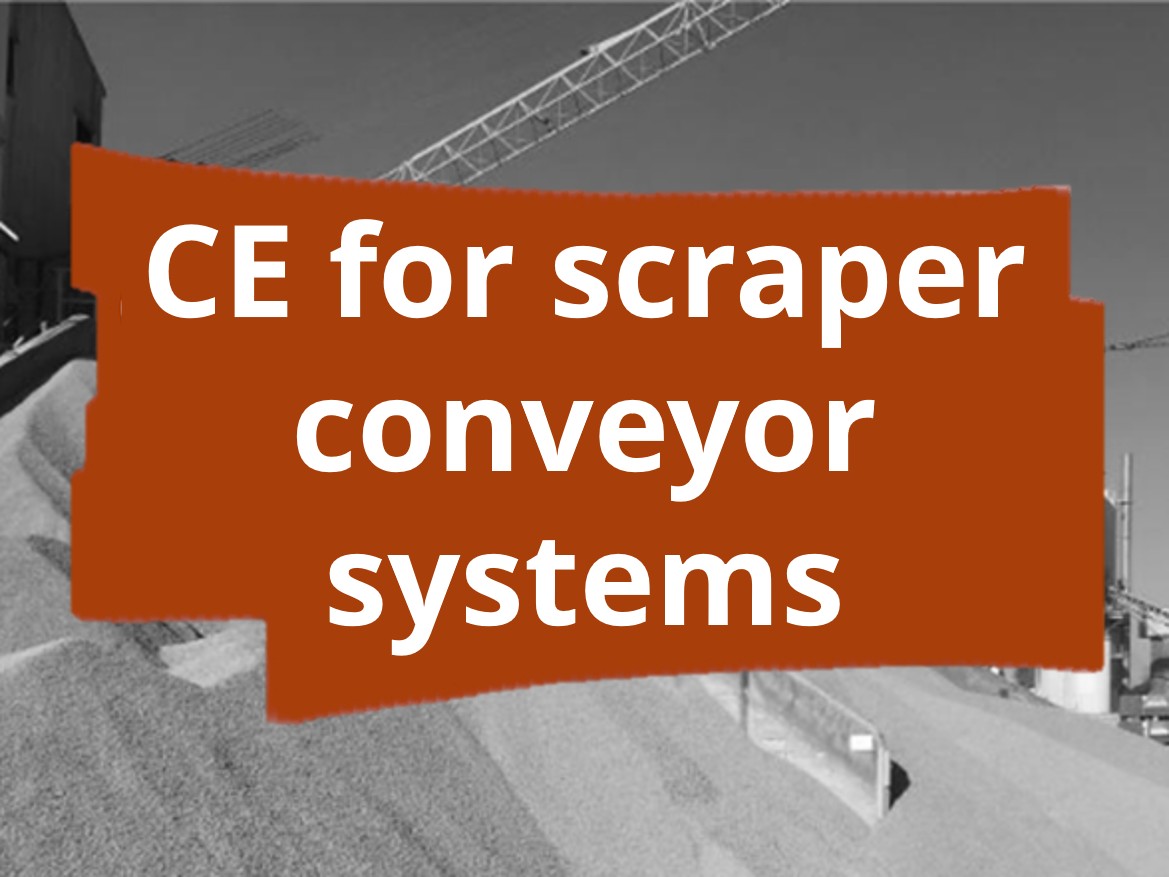
CE marking for scraper conveyor systems in the construction industry
easyCE supports the CE marking process for scraper conveyors that move dry or moist bulk materials, including preparation of the declaration of conformity. The risk assessment under EN ISO 12100 focused on safe access to the material bays and interfaces with delivery vehicles. The work also addressed a safety-related control system under DIN EN 12629-1 to protect personnel while keeping the system efficient to operate.

CE marking for air-cooled condensers and dry coolers
easyCE supports the CE marking process for V-shaped condensers and dry coolers with different refrigerant options, including preparation of the declaration of conformity. The assessment covered risks under EN ISO 12100 and electrical equipment under EN 60204-1. Particular attention was given to the fan control systems and to protecting personnel from hazardous areas, using the safety distances specified in EN ISO 13857.
CE marking for a motor-control test bench
easyCE supports the conformity assessment of a test bench used to develop and test motor controls, including preparation of the declaration of conformity. The risk assessment under EN ISO 12100 addressed rotating parts, guard locking and standstill monitoring at speeds up to 8,000 rpm. The work considered safety-related controls under EN ISO 13849-1 and electrical equipment under EN 60204-1.
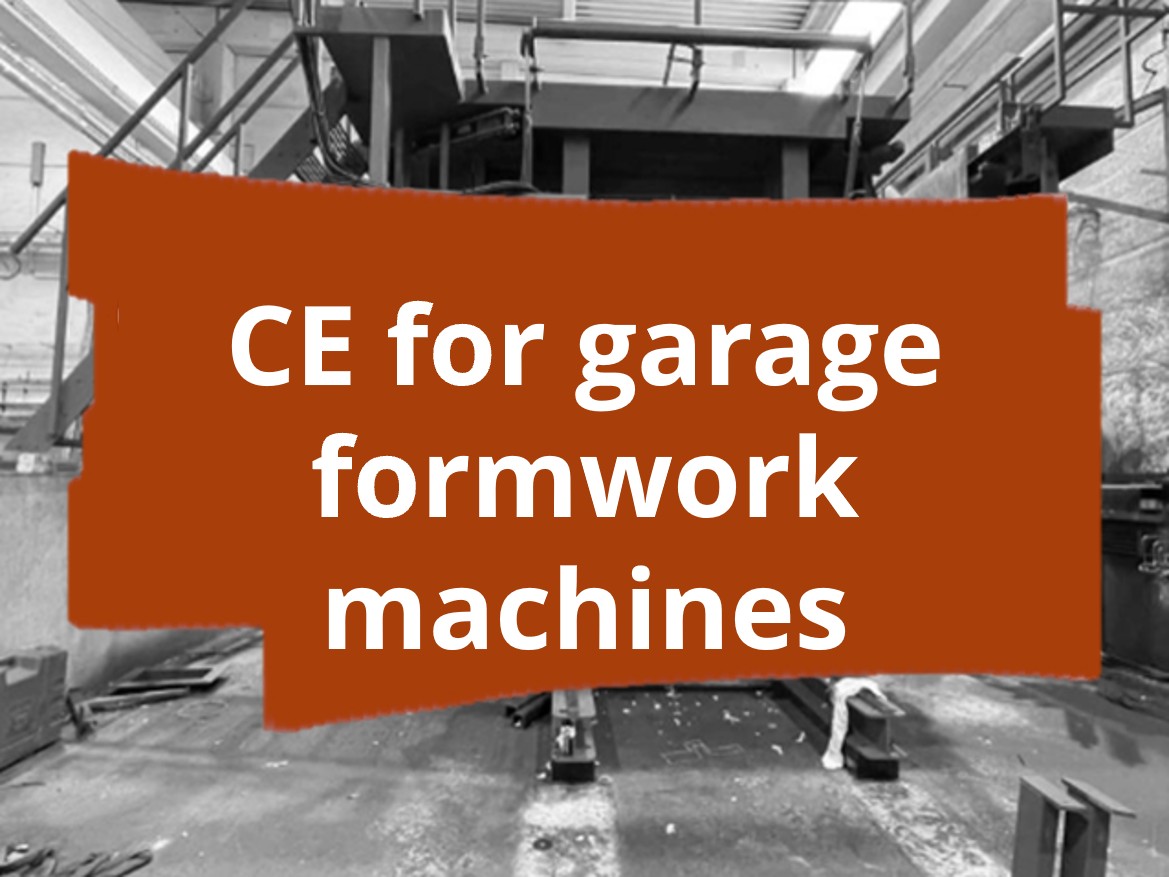
CE marking for concrete-garage formwork machinery
easyCE assesses formwork systems used to manufacture concrete garages and prepares the declaration of conformity. The work focused on hydraulic components and the hazards associated with large moving formwork elements. Safety-related controls were assessed under EN ISO 13849-1, alongside the electrical-equipment requirements of EN 60204-1.
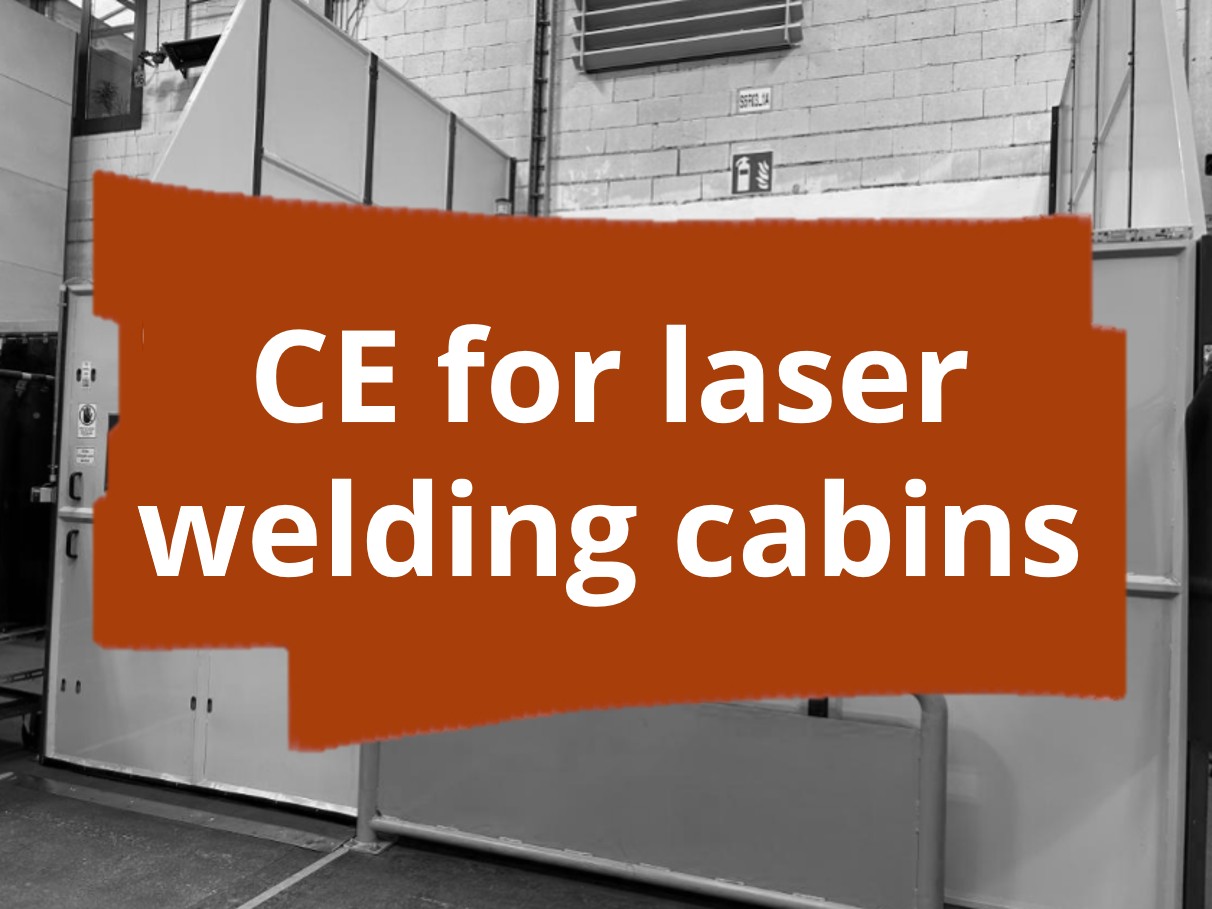
CE marking for laser welding cabins with hand-held laser systems
easyCE supports the CE marking process for laser welding cabins with hand-held laser systems, including preparation of the declaration of conformity. The work focused on laser protection under DIN EN 60825-4 and safety-related interlocks under EN ISO 13849-1. The safety concept used sensors to prevent unintended activation outside the designated work area and to protect operators from hazardous laser radiation.
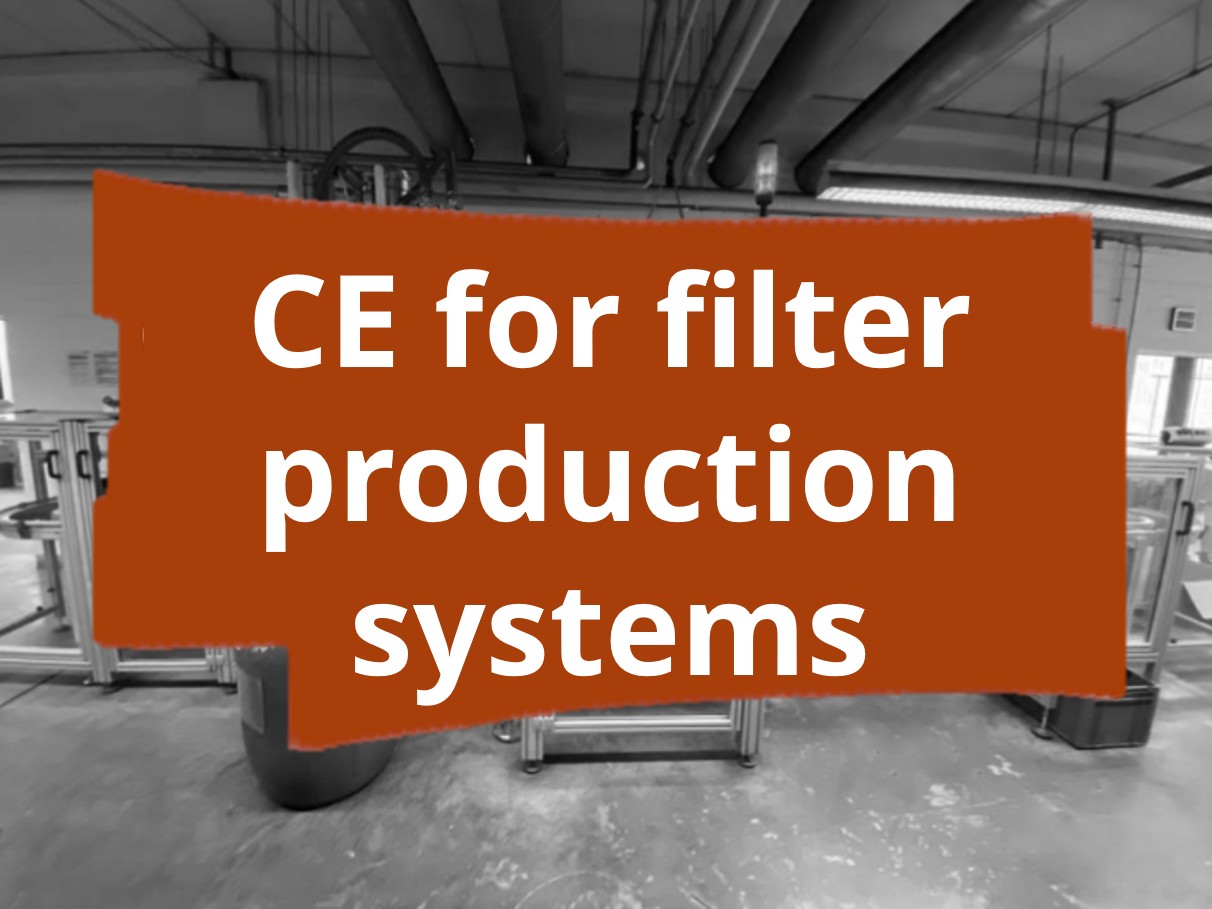
CE marking for an automated respiratory-filter production line
easyCE assesses an integrated production line for respiratory-protection filters and prepares the declaration of conformity. The risk assessment under EN ISO 12100 focused on interfaces between the 11 modules. The work also considered explosion risks associated with the vacuum conveyor and extraction system, together with the safety-related control requirements of EN ISO 13849-1.
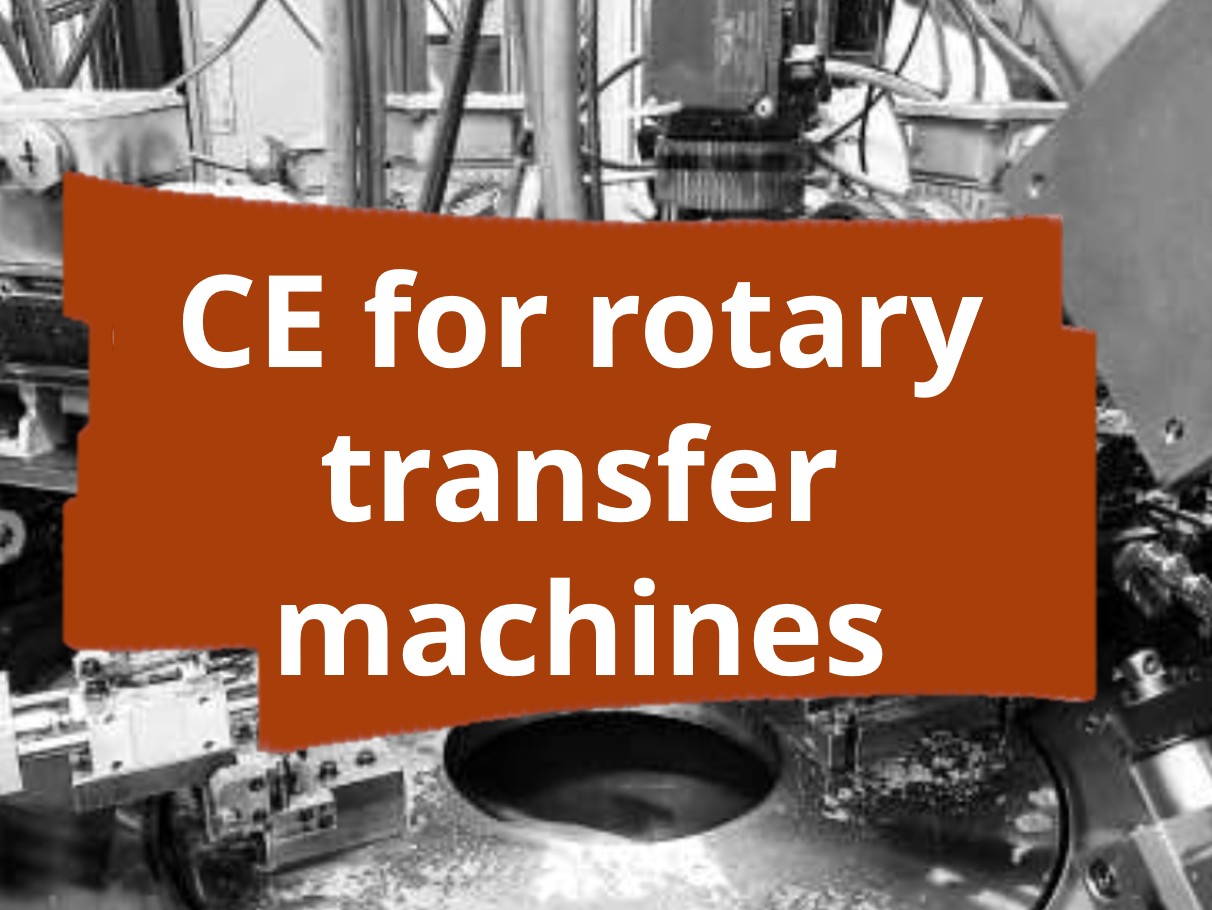
CE marking for rotary transfer machines
easyCE supports the CE marking process for rotary transfer machines that process metal wire in successive stages, including preparation of the declaration of conformity. The assessment focused on protective devices under DIN EN ISO 16090-1, safety-related controls under EN ISO 13849-1 and electrical equipment under EN 60204-1. The safety concept was designed to protect operators while supporting productive operation.
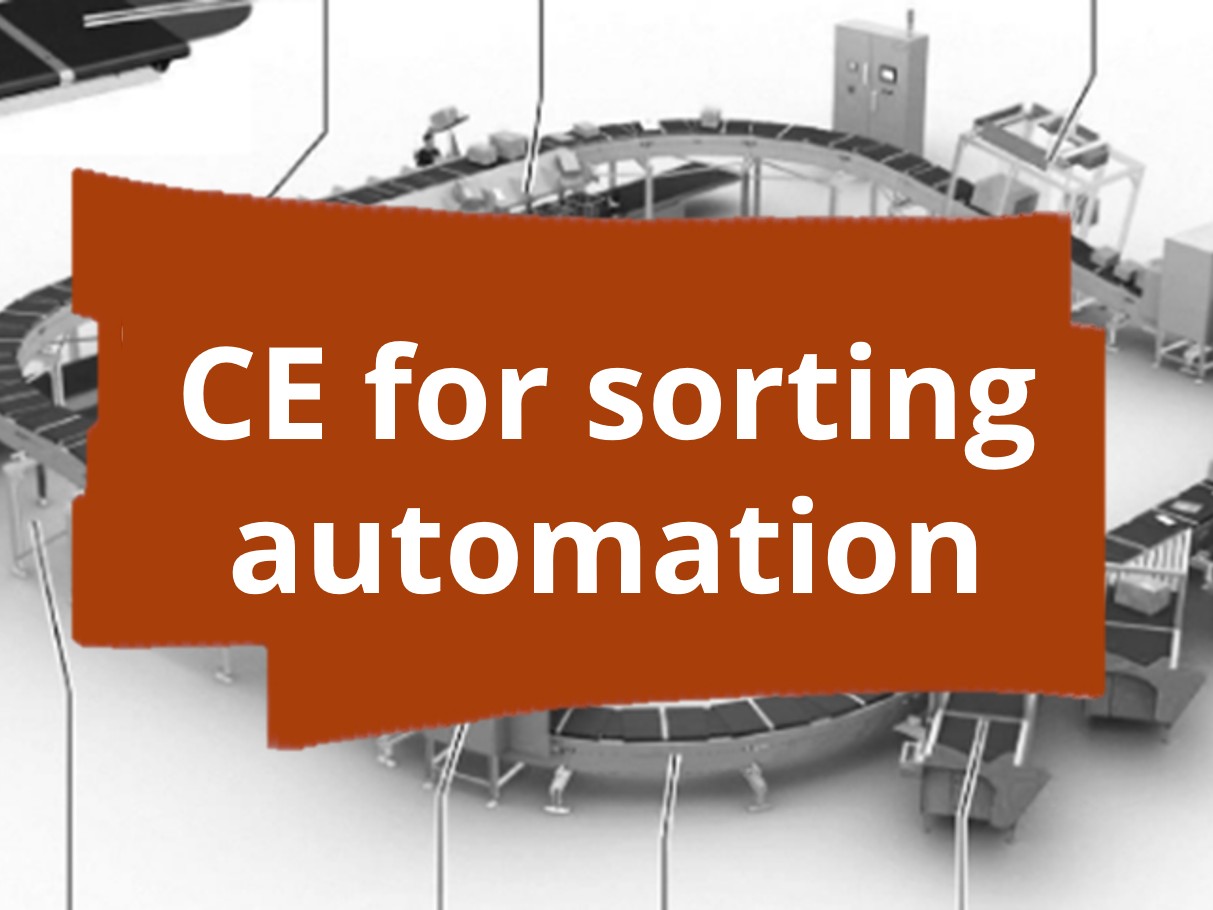
CE marking for pneumatic parcel-sorting devices
easyCE carries out the conformity assessment for pneumatic devices used in automated parcel sorting, including preparation of the declaration of conformity. The risk assessment under EN ISO 12100 focused on sensor-controlled pneumatic activation and integration into the existing sorting line. The work also covered electrical equipment under EN 60204-1 and safety-related controls under EN ISO 13849-1.
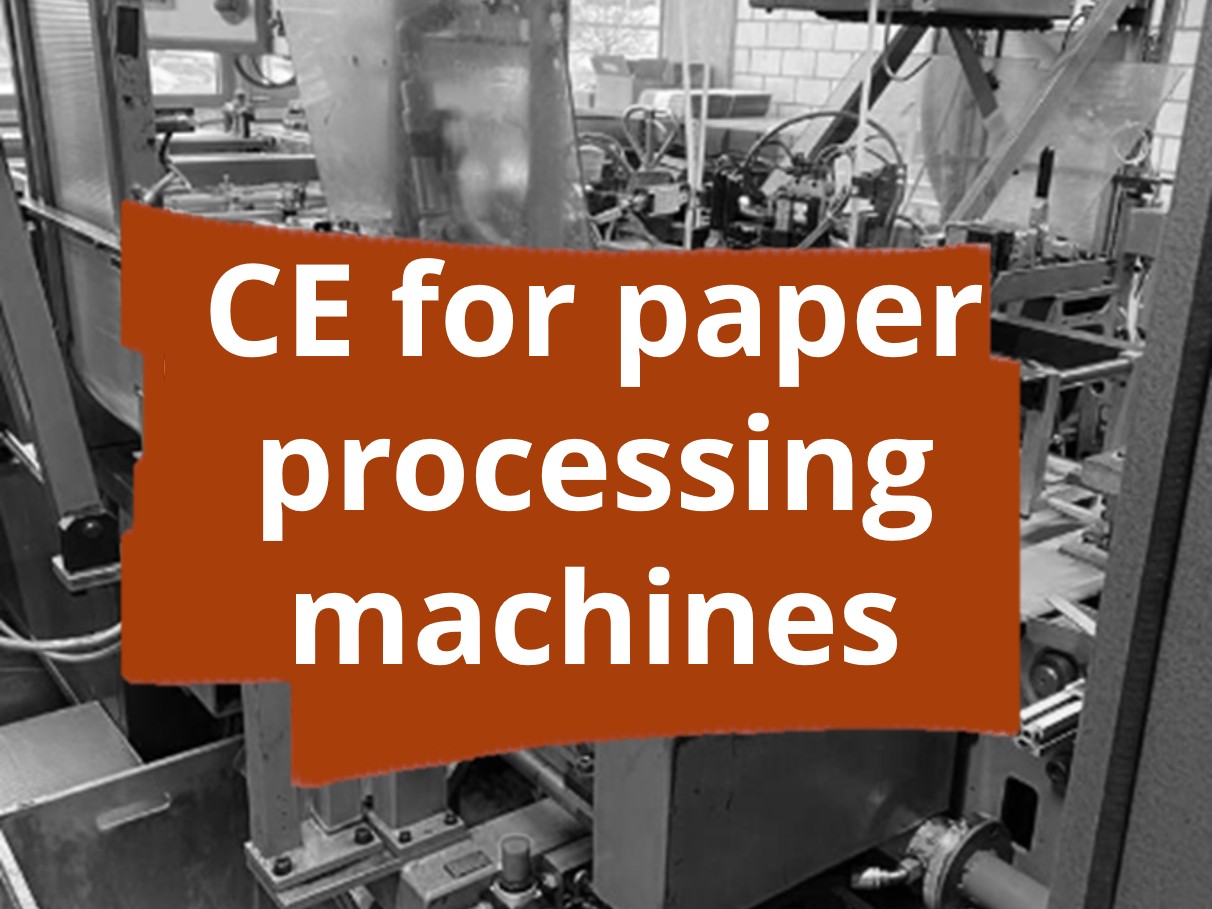
CE marking for machinery used to manufacture suspension files
easyCE supports the CE marking process for machinery used to manufacture suspension files, including preparation of the declaration of conformity. The risk assessment under EN ISO 12100 focused on guarding the presses, cutting units and in-running nips, with reference to EN ISO 14120. The work also covered the safety-related control system under EN ISO 13849-1.
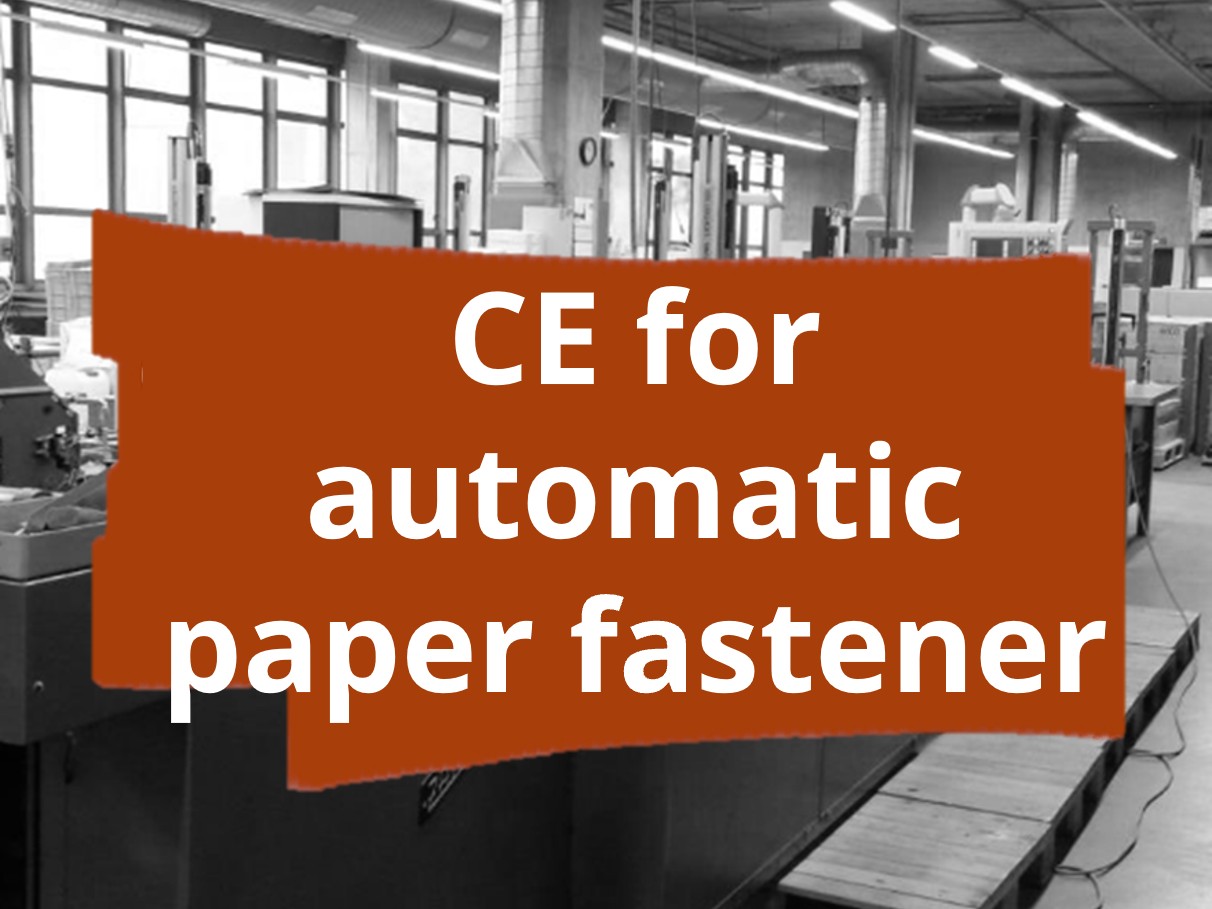
CE marking for an automatic paper fastener machine
easyCE supports the CE marking process for an automatic paper fastener machine with multiple processing stations, including preparation of the declaration of conformity. The risk assessment under EN ISO 12100 focused on the printing cylinder and stapling unit. The work covered the integration of light barriers, safety distances under EN ISO 13857 and reduced-mode operation during set-up. It also addressed fixed guards under EN 1010-1 and safety-related controls under EN ISO 13849-1.
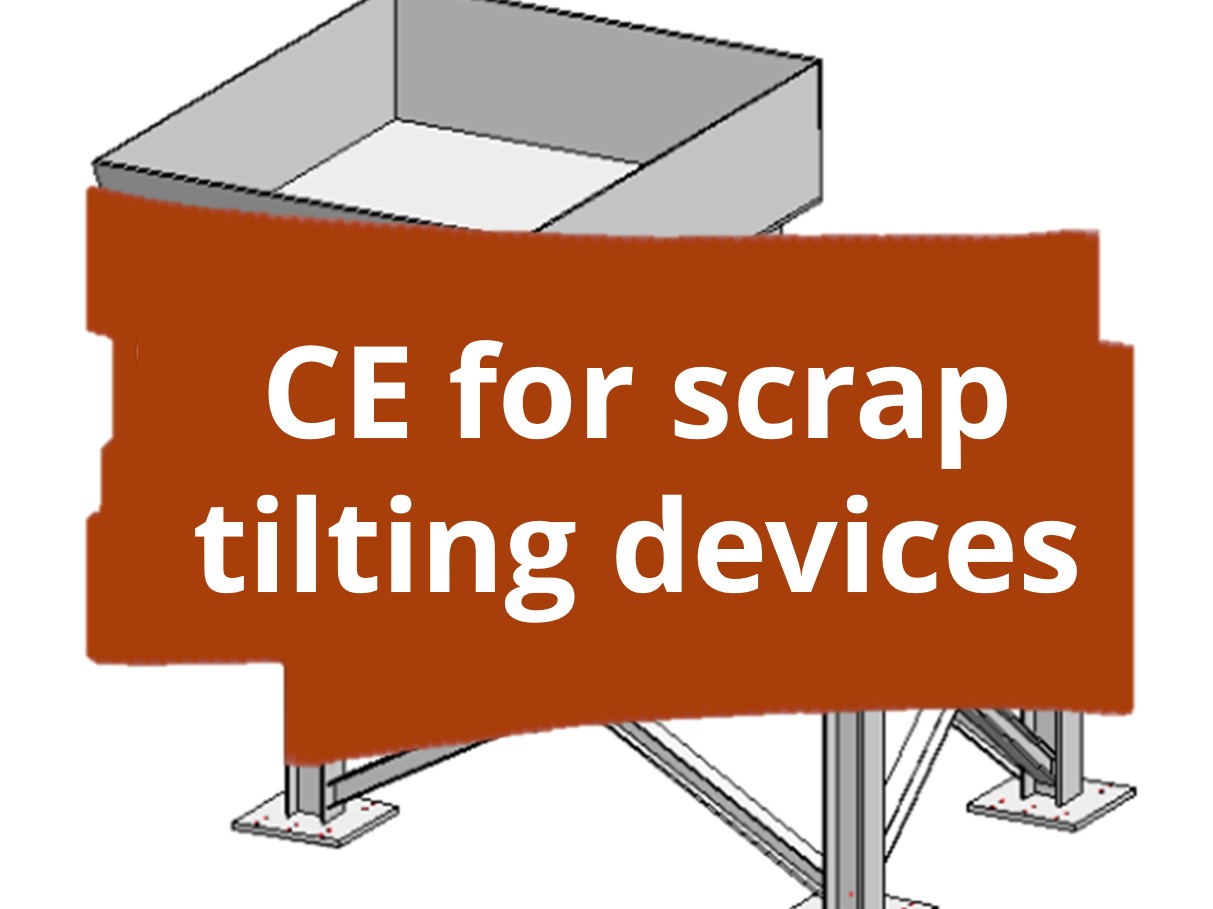
CE marking for industrial scrap tilting devices
easyCE supports the CE marking process for an automated device used to tilt and handle metal scrap, including preparation of the declaration of conformity. A key challenge was maintaining safe operation under high dynamic loads. The assessment covered the mechanical risks under EN ISO 12100 and electrical equipment under EN 60204-1, with the findings recorded in the technical documentation.
CE marking for rope-winding devices in leisure facilities
easyCE supports the CE marking process for electrically powered rope-winding devices, including preparation of the declaration of conformity. The assessment focused on the drive's safety-related controls under EN ISO 13849-1 and electrical equipment under EN 60204-1. The safety concept needed to address outdoor use in changing weather conditions and provide a reliable emergency stop function.
CE marking for electrically powered transport carts
easyCE supports the CE marking process for electrically powered transport carts with integrated batteries, including preparation of the declaration of conformity. The risk assessment under EN ISO 12100 identified the hazards and protective measures needed. Particular challenges included EMC requirements under EN 55014-1 and the safety of the control system and slope assistance function.
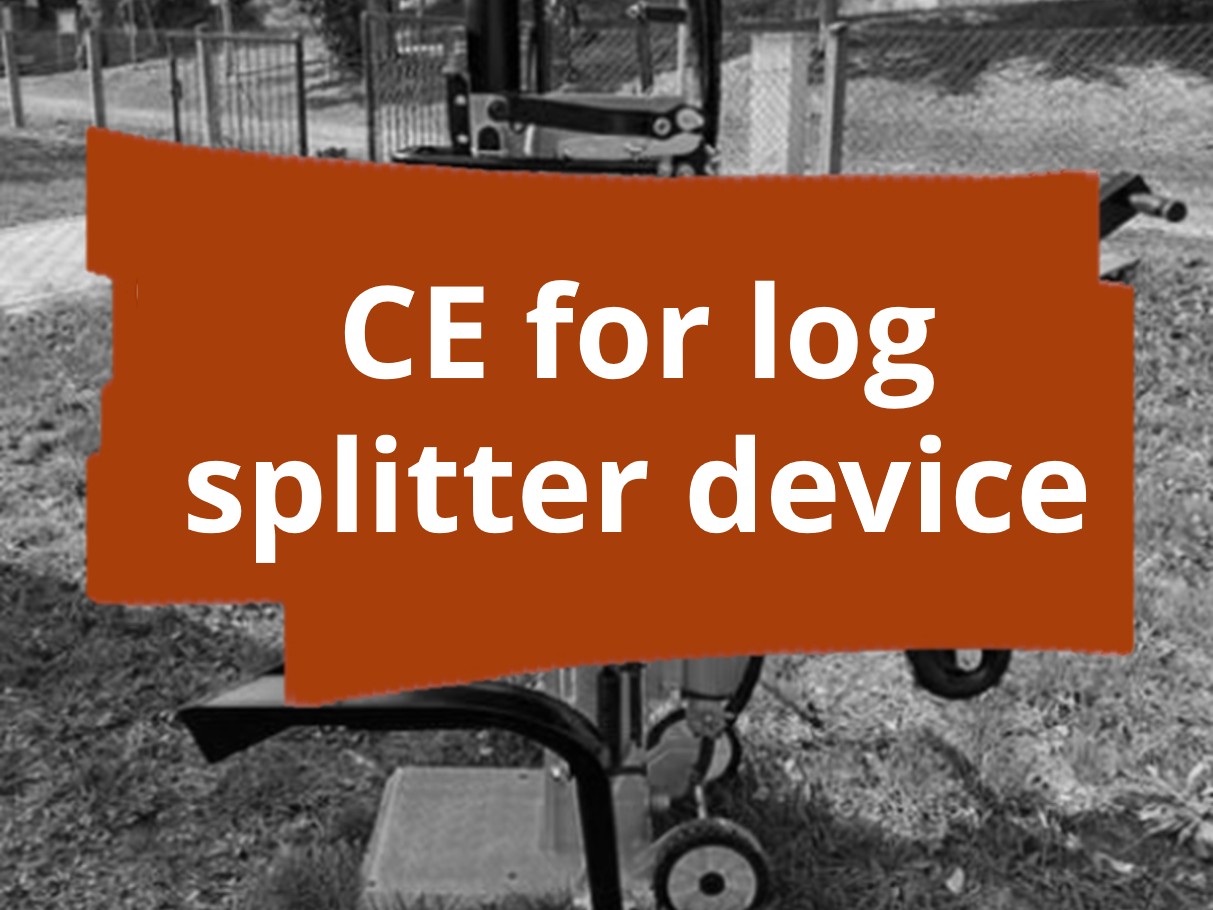
CE marking for hydraulic log splitters
easyCE supports the CE marking process for hydraulic log splitters, including preparation of the declaration of conformity. A key challenge was addressing the safety requirements of EN 609-1 while keeping the machines comfortable and practical to use. The risk assessment under EN ISO 12100 focused on guards around the splitting wedge and two-hand controls to protect operators from crushing hazards.
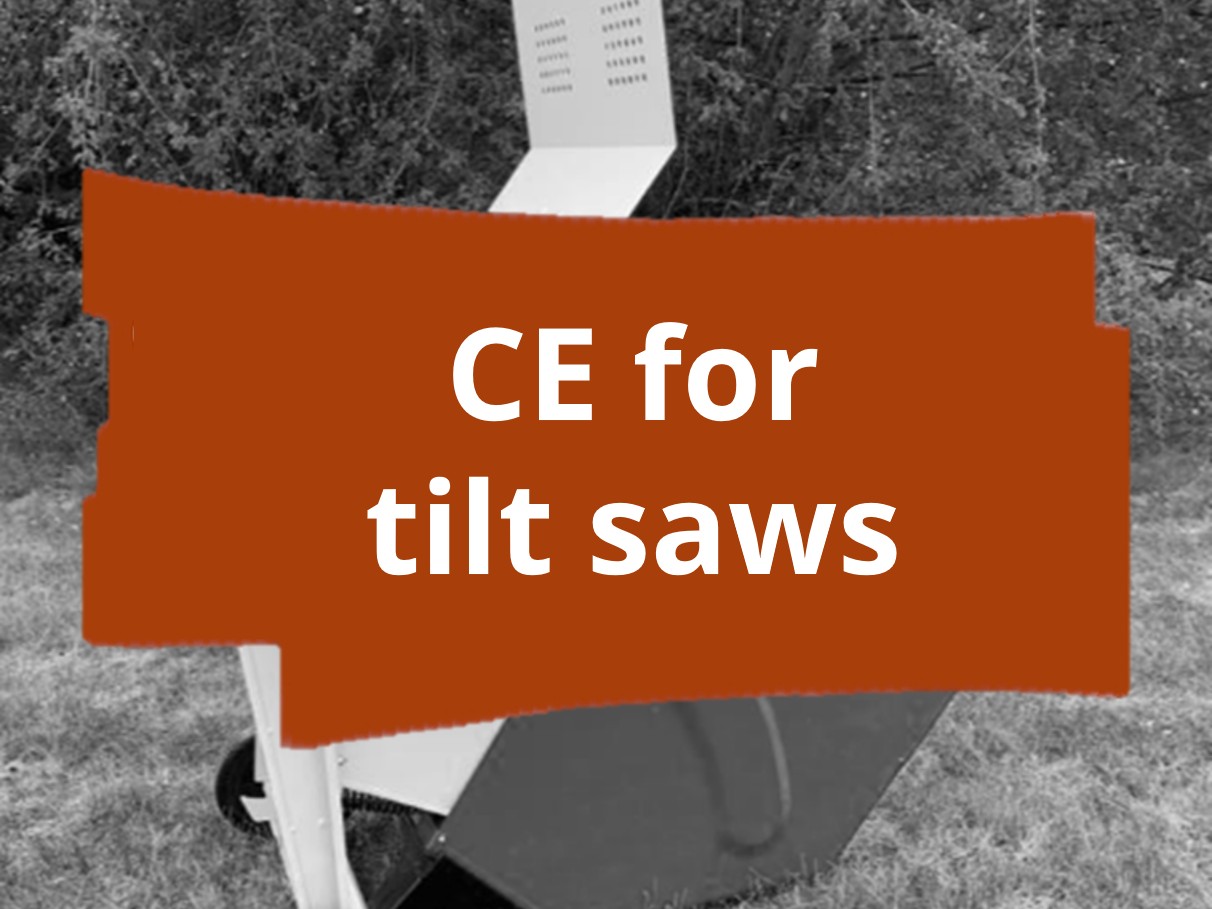
CE marking for log saws used to cut firewood
easyCE supports the CE marking process for log saws, including preparation of the declaration of conformity. The assessment covered risks under EN ISO 12100 and safety-related controls under EN ISO 13849-1. Particular attention was given to safeguarding the tilting mechanism to reduce crushing and cutting risks while keeping the saw easy to use.
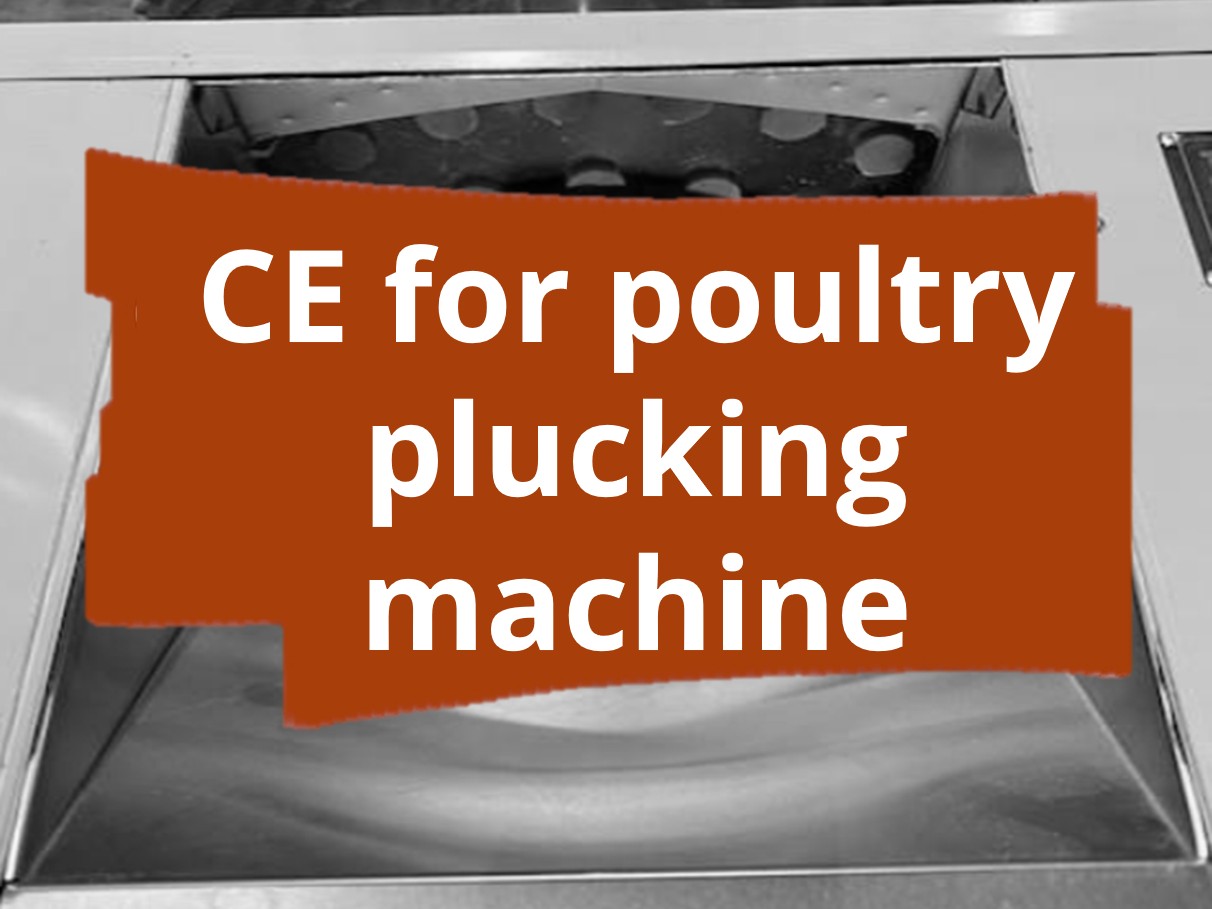
CE marking for poultry plucking machines
easyCE supports the CE marking process for a poultry plucking machine with a rotating drum and rubber fingers, including preparation of the declaration of conformity. The risk assessment under EN ISO 12100 focused on mechanical hazards from rotating parts and the protective measures needed. A key challenge was addressing electrical safety under EN 60204-1 alongside protection against water during hygienic cleaning.
CE marking for conservatory shading systems
easyCE prepares technical documentation for motorised conservatory shading systems. The work considers wind resistance under EN 13561:2004+A1:2008 for different installation arrangements and electrical-drive safety under EN 60335-2-97:2017. We prepare the relevant machinery and construction-product declarations.
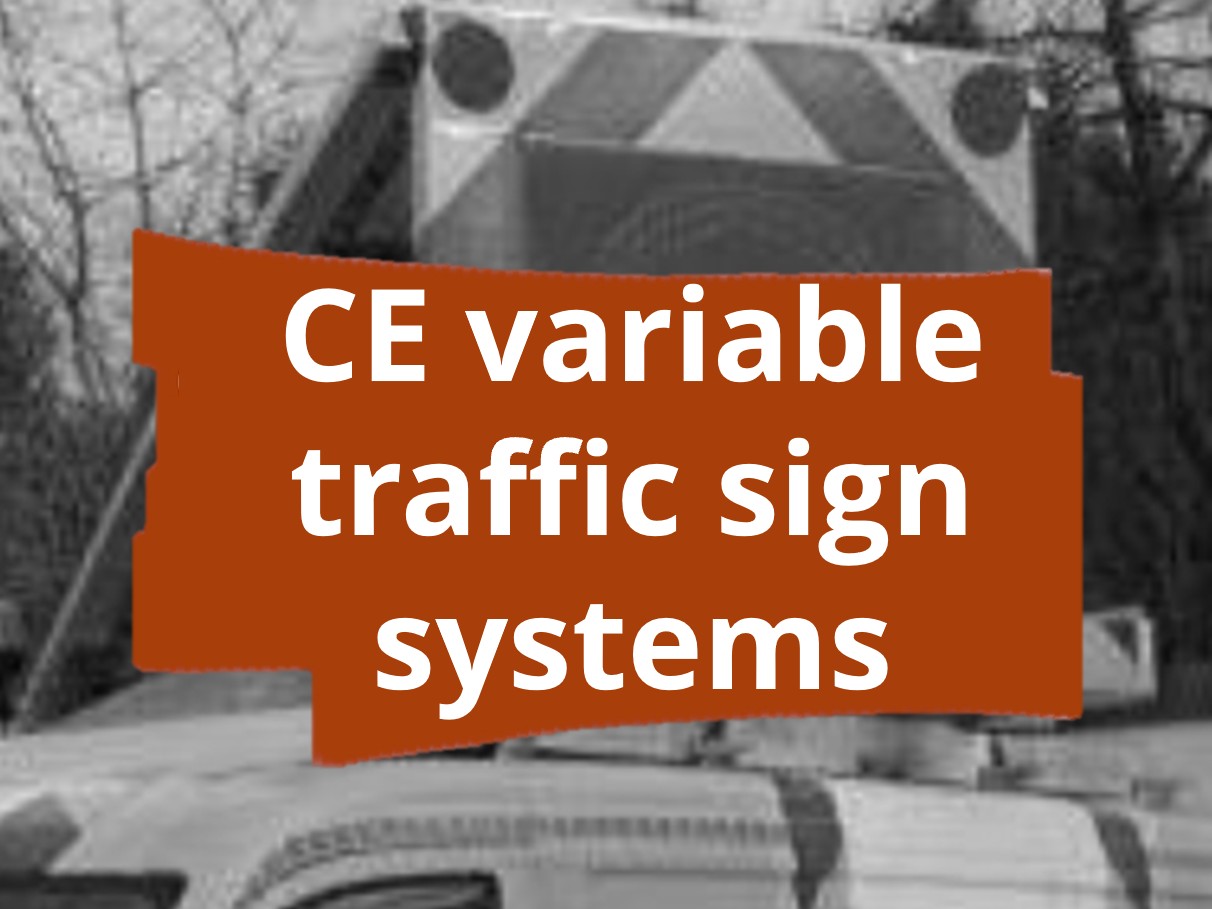
CE marking for vehicle-mounted variable traffic signs
easyCE carries out the conformity assessment for LED variable-message signs fitted to escort vehicles, including preparation of the declaration of conformity. The risk assessment under EN ISO 12100 focused on the deployment and rotation mechanisms. Safety-related controls were assessed under EN ISO 13849-1. Road-use requirements remain a separate consideration from the CE marking process.
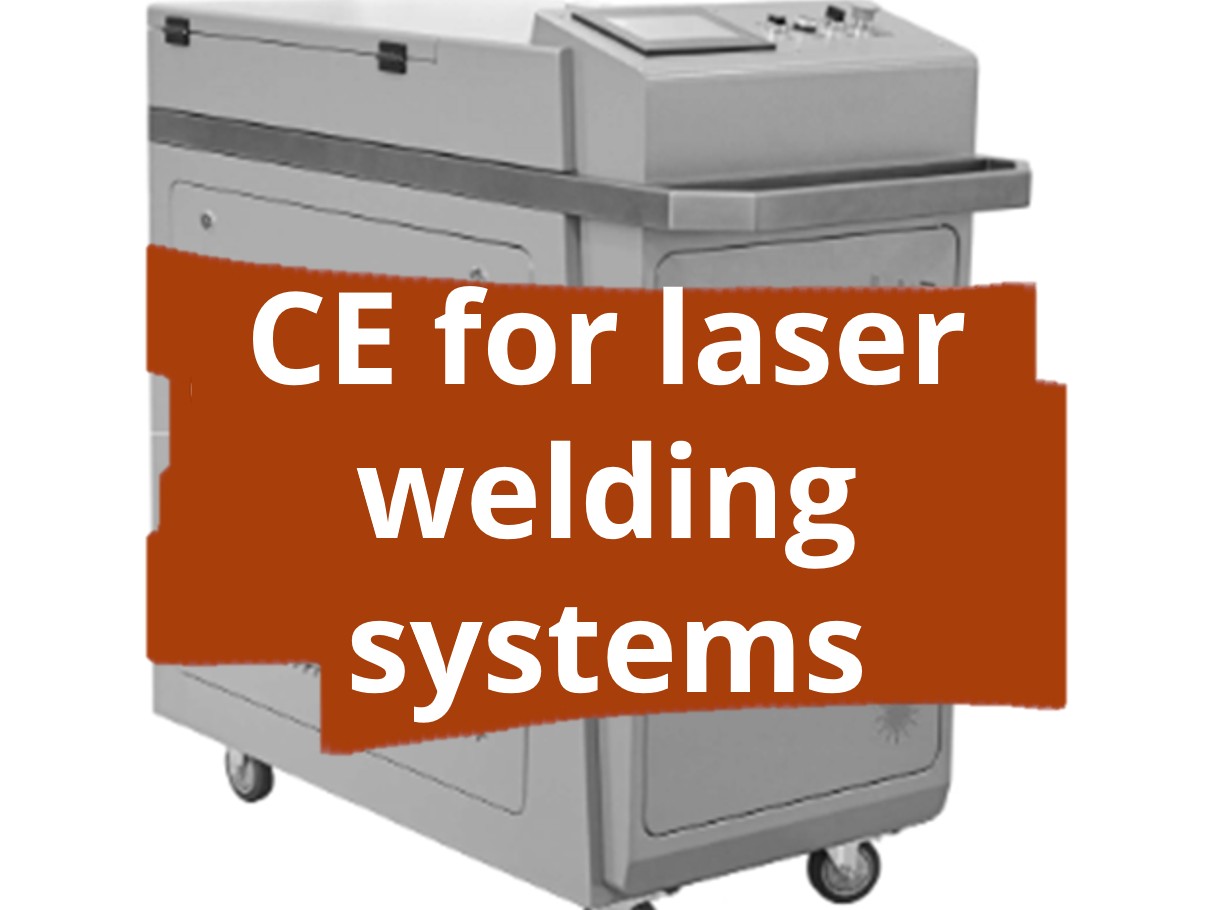
CE marking for high-power fibre laser systems with hand-held welding torches
easyCE supports the CE marking process for a high-power fibre laser system with a hand-held welding torch, including preparation of the declaration of conformity. The risk assessment under EN ISO 12100 focused on exposure to laser radiation. The work addressed the laser safety requirements of EN 60825-1 and the protective measures needed for operators using the high-power system.

CE marking for mini excavators used in earthmoving
easyCE supports the CE marking process for mini excavators used to move soil, gravel and ballast, including preparation of the declaration of conformity. The risk assessment under EN ISO 12100 covered multiple model variants, including machines with telescopic undercarriages and swing booms. The work also addressed the safety-related control requirements of EN ISO 13849-1 for the different configurations.
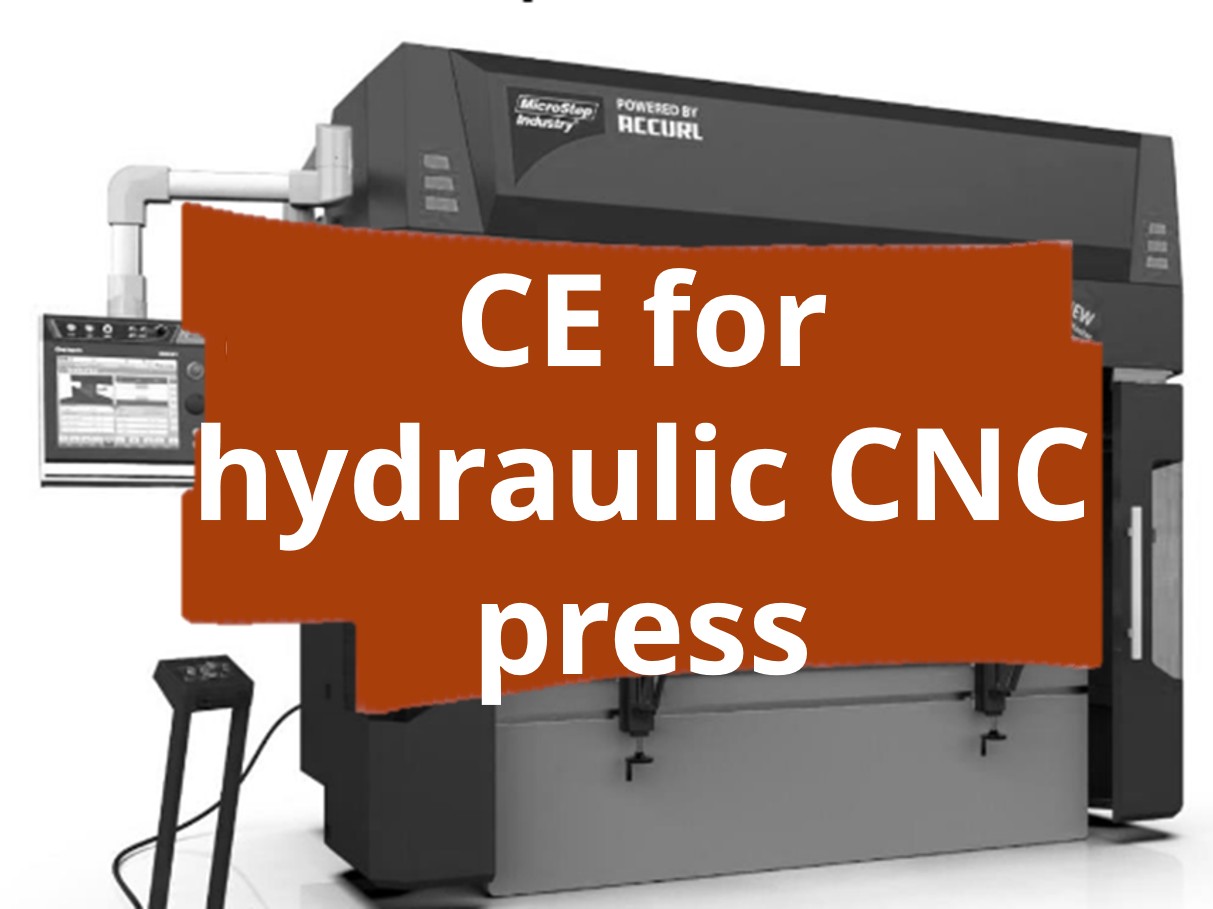
CE marking for hydraulic CNC press brakes
easyCE supports the CE marking process for hydraulic servo CNC press brakes, including preparation of the declaration of conformity. The risk assessment under EN ISO 12100 focused on hazards in the working area between the upper and lower beams. The safety concept combined optical protective devices and safety-related controls under EN ISO 13849-1 to protect operators while supporting precise, productive bending of complex workpieces.
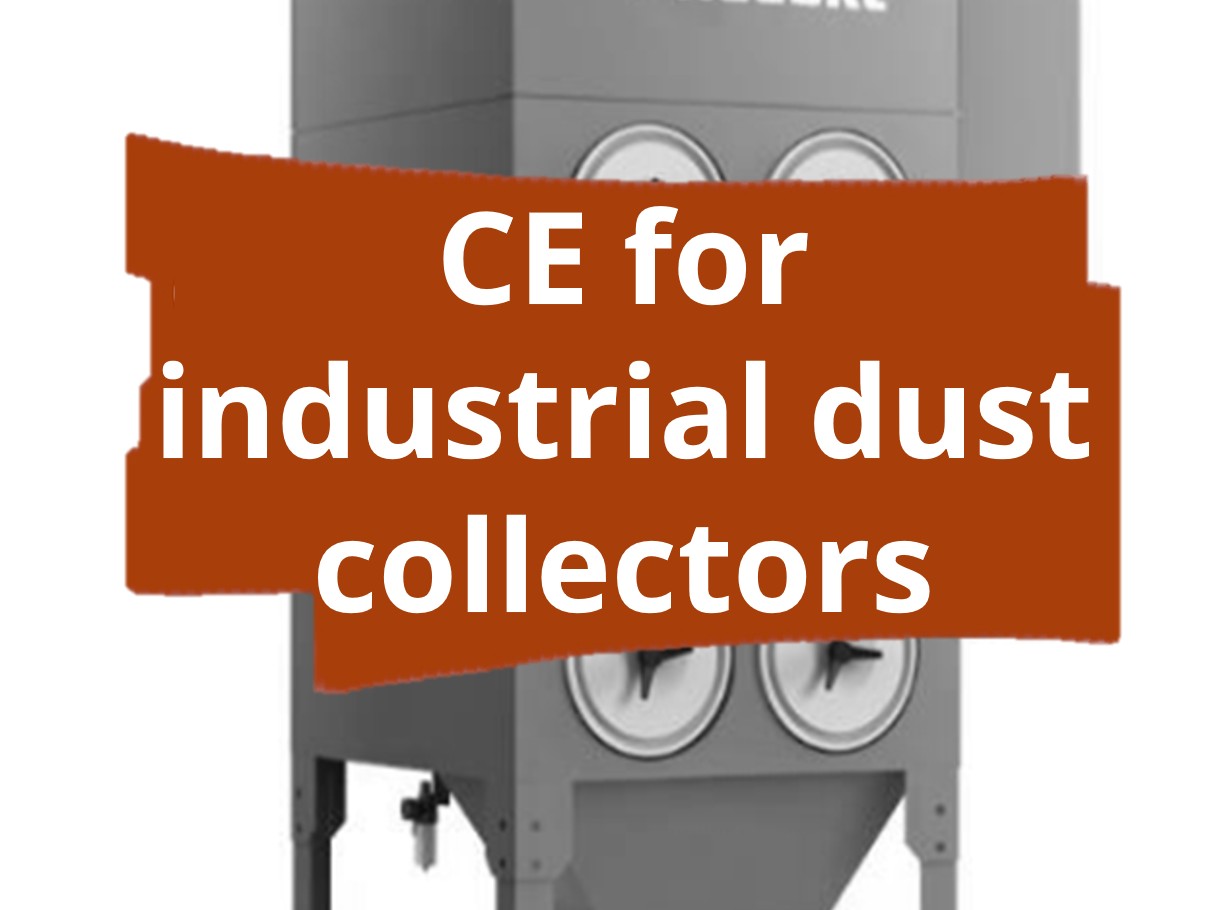
CE marking for industrial dust collection systems
easyCE supports the CE marking process for dust collection systems with automatic pulse-jet filter cleaning, including preparation of the declaration of conformity. The risk assessment considered EN ISO 12100 and EN ISO 14121-1, with particular attention to dust emissions and electrical hazards. The work focused on protective measures for the filter chamber and dust collection areas.
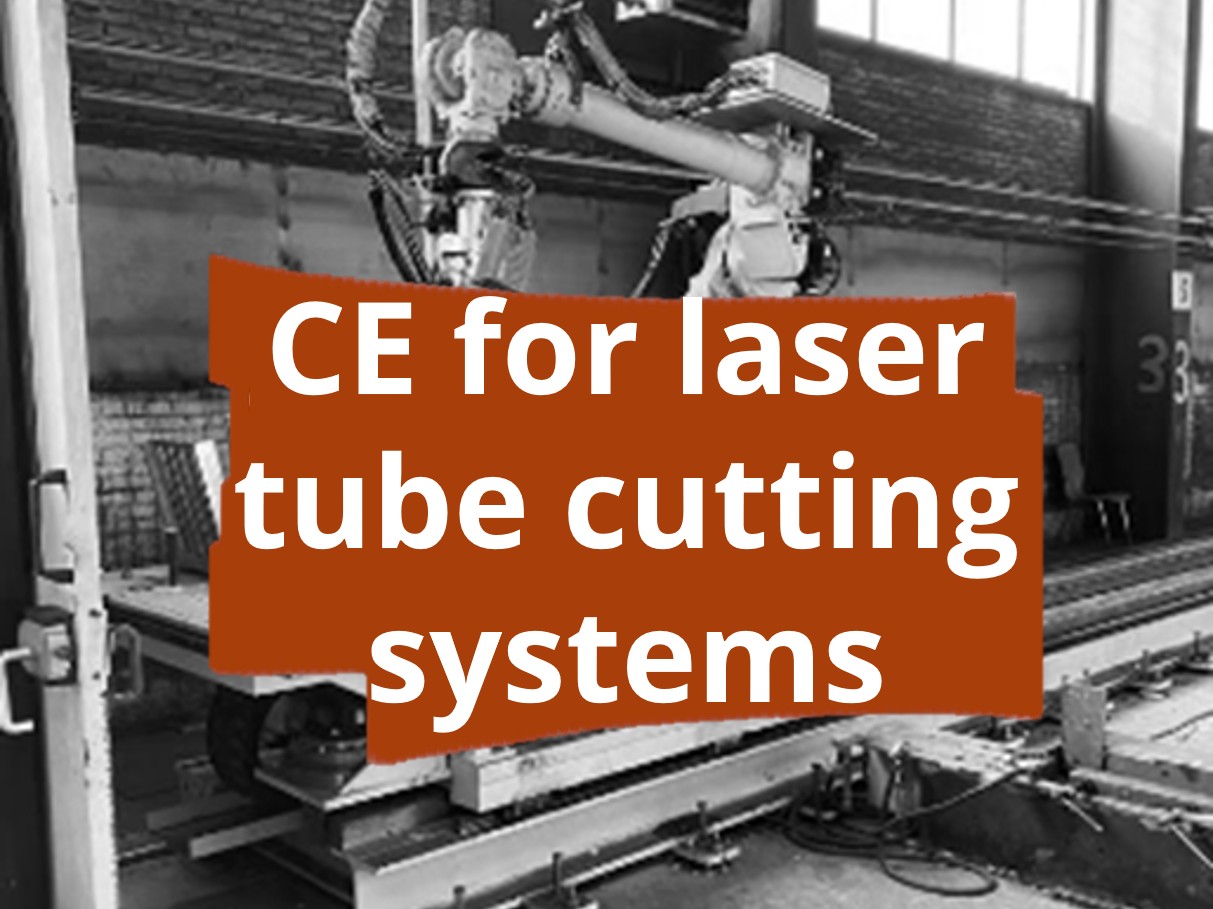
CE marking for fibre laser tube-cutting systems
easyCE assesses fibre laser systems with power ratings from 3 to 12 kW for cutting tubes and profiles. The work includes risk assessment and preparation of the declaration of conformity. The safety concept addressed material loading and unloading, manual set-up and automatic operation, with redundant safety circuits assessed under EN ISO 13849-1.
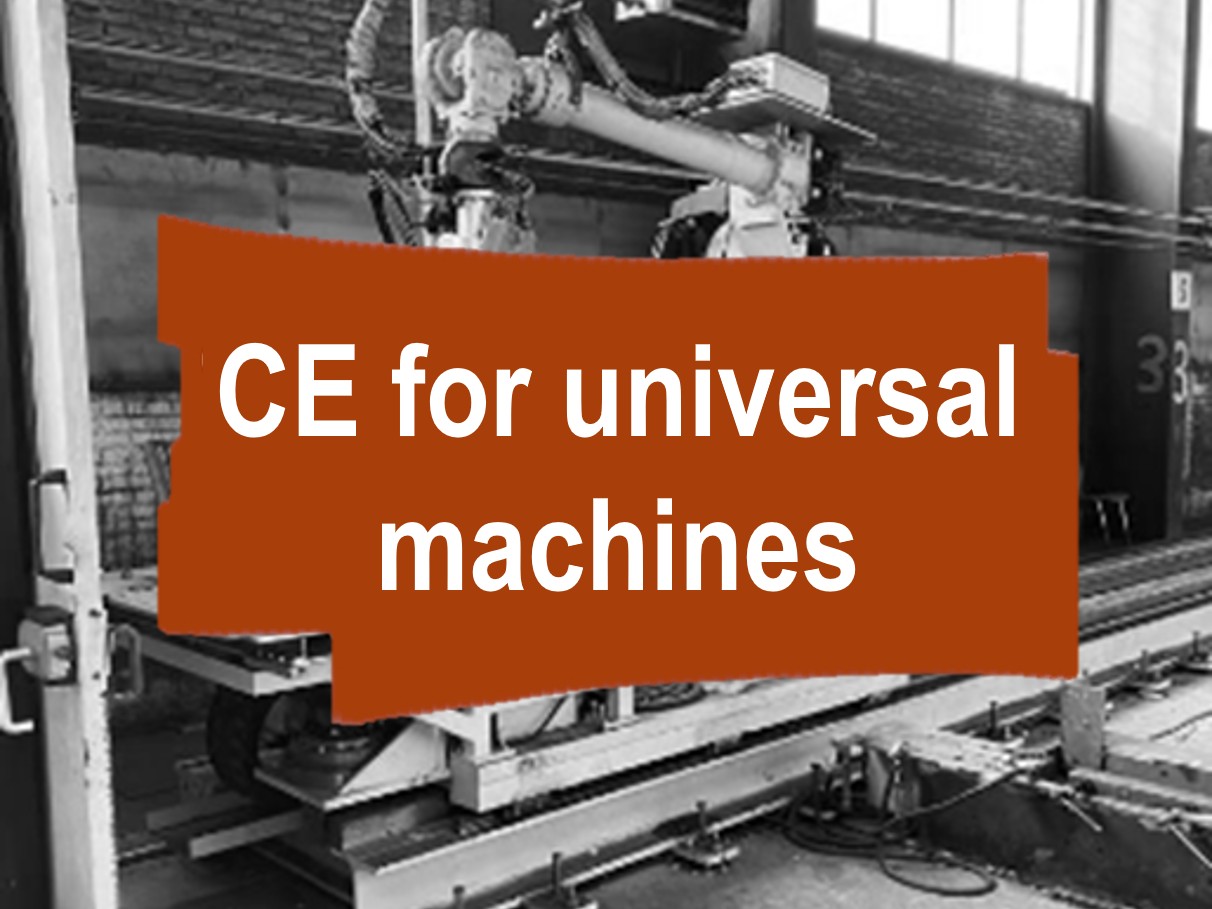
CE marking for automotive interior-part production machinery
easyCE carries out the conformity assessment for servo-hydraulic machines combining pressing, punching and edge-folding operations. The risk assessment under EN ISO 12100 addressed the interaction of these processes. The work also covered the hydraulic and electrical systems, electrical equipment under EN 60204-1 and safety-related controls under EN ISO 13849-1, with a declaration of conformity prepared ready to sign.
CE marking for large-scale wire arc additive manufacturing equipment
easyCE assesses a large industrial 3D printer using laser-assisted wire arc additive manufacturing and prepares the declaration of conformity. The risk assessment under EN ISO 12100 addressed laser hazards, heavy workpieces and access to the work area. The work covered movable guards, safety-related controls under EN ISO 13849-1 and emergency stop functions under EN ISO 13850.
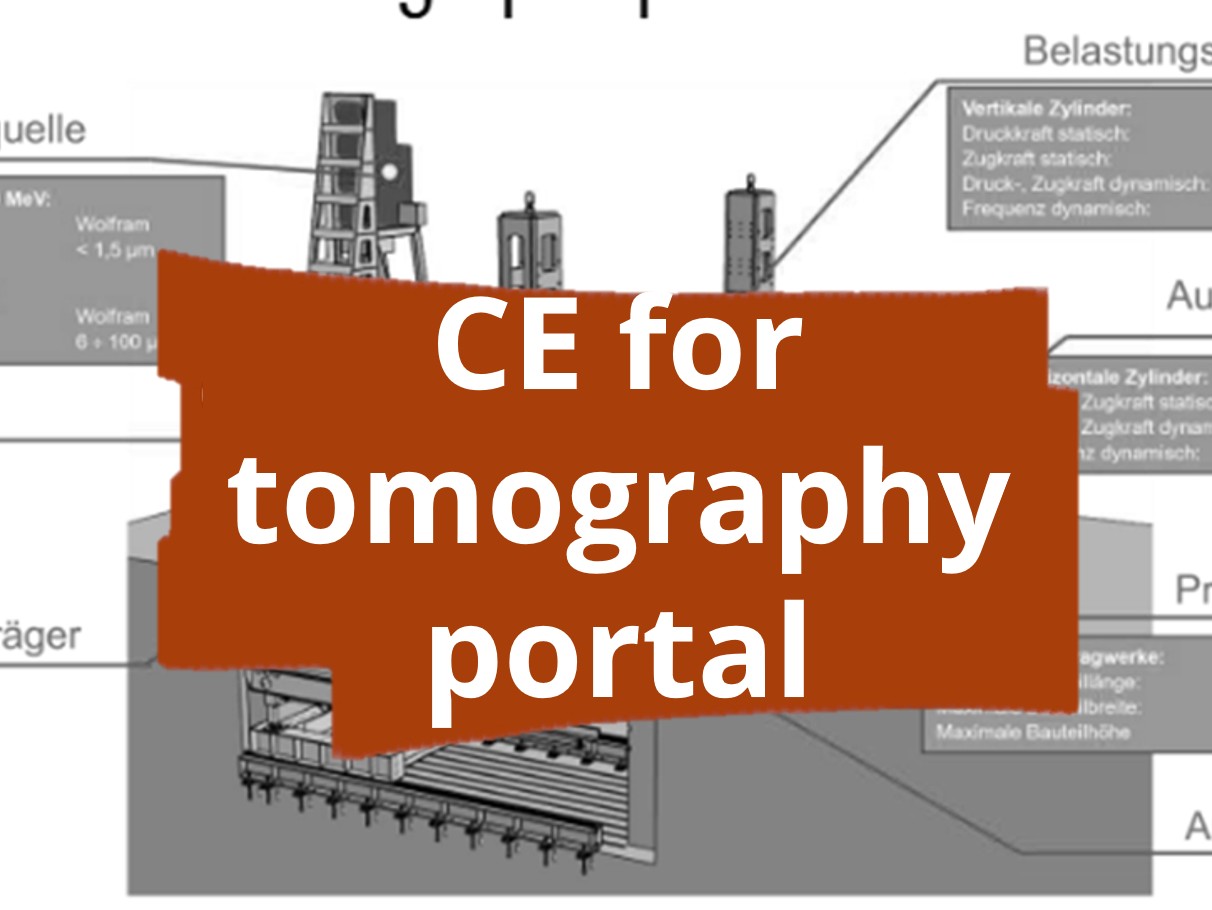
CE marking for an industrial tomography gantry
easyCE carries out the conformity assessment for a tomography gantry used to examine large concrete samples. The project required assessment of radiation-related hazards and the associated protective measures. EN 62061 and EN ISO 13849-1 were considered for safety-related controls, including key switches, light barriers and interlocks.
CE marking for a dual-robot welding system
easyCE assesses an automated welding system with two robot arms moving on a rail and prepares the declaration of conformity. The work addressed the combination of arc-stud and MAG welding, electrical equipment under EN 60204-1 and access to the work area. Door interlocking was assessed with reference to EN ISO 14119:2013.
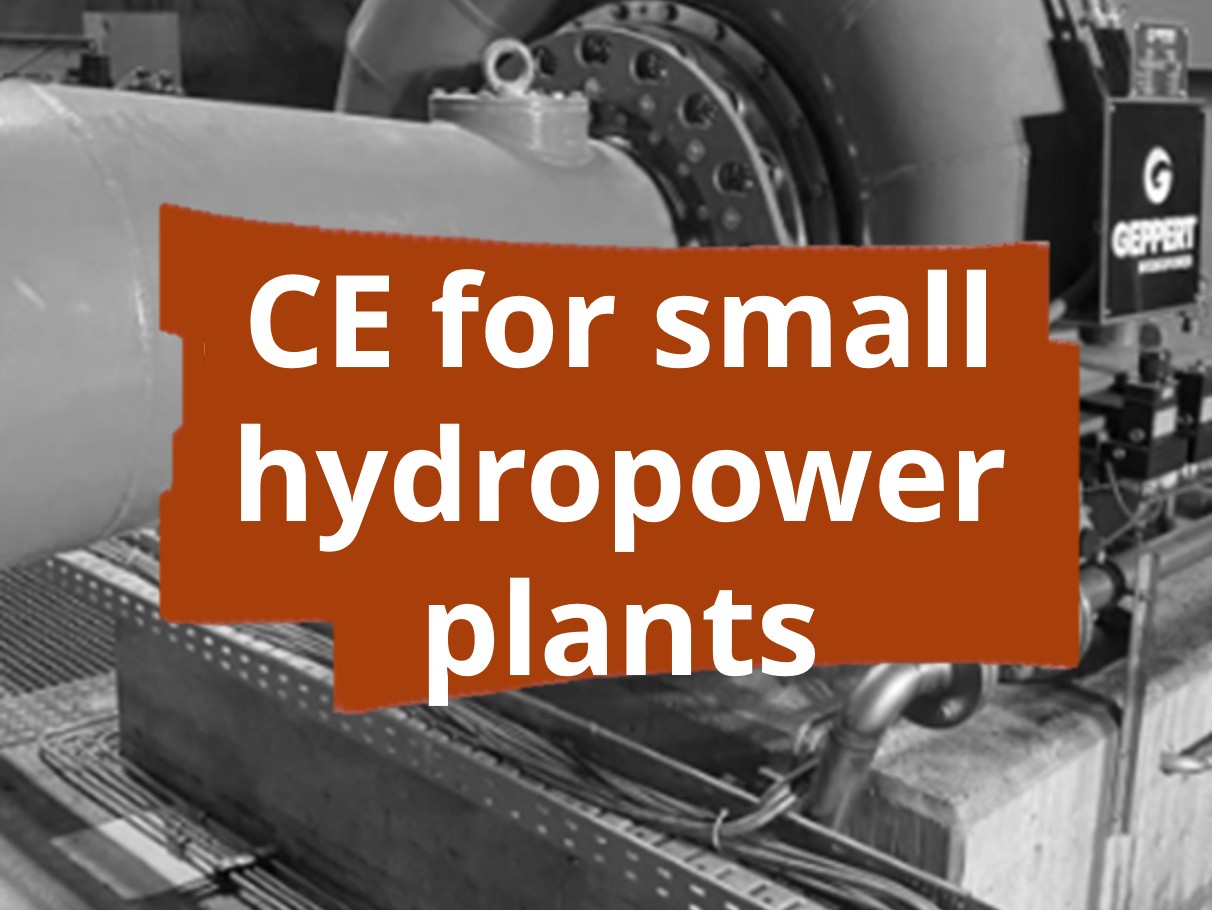
CE marking for small hydropower plants
easyCE supports the conformity assessment of hydropower systems, including preparation of the declaration of conformity ready to sign. Risk assessment under EN ISO 12100 addresses the integration of turbines, generators and hydraulic control systems, including the human-machine interface. The assessment also considers electrical equipment under EN 60204-1 and safe access for maintenance.
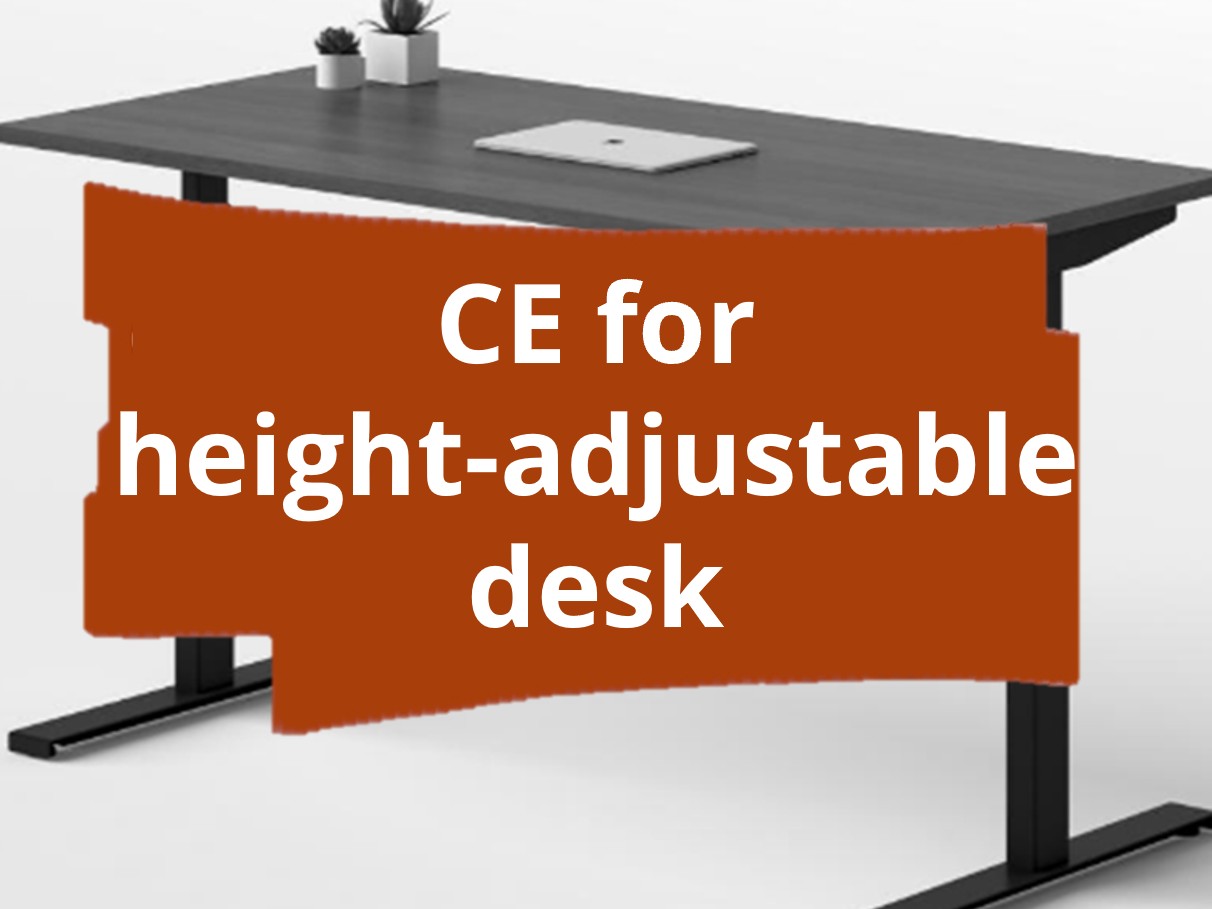
CE marking for electrically height-adjustable desks
easyCE supports the CE marking process for electrically height-adjustable desks, including preparation of the declaration of conformity. The assessment covered the Machinery Directive 2006/42/EC and EMC Directive 2014/30/EU. The risk assessment under EN ISO 12100 focused on crushing and trapping hazards during height adjustment, alongside electrical equipment under EN 60204-1. Anti-collision and overload protection functions help reduce risks during everyday use.
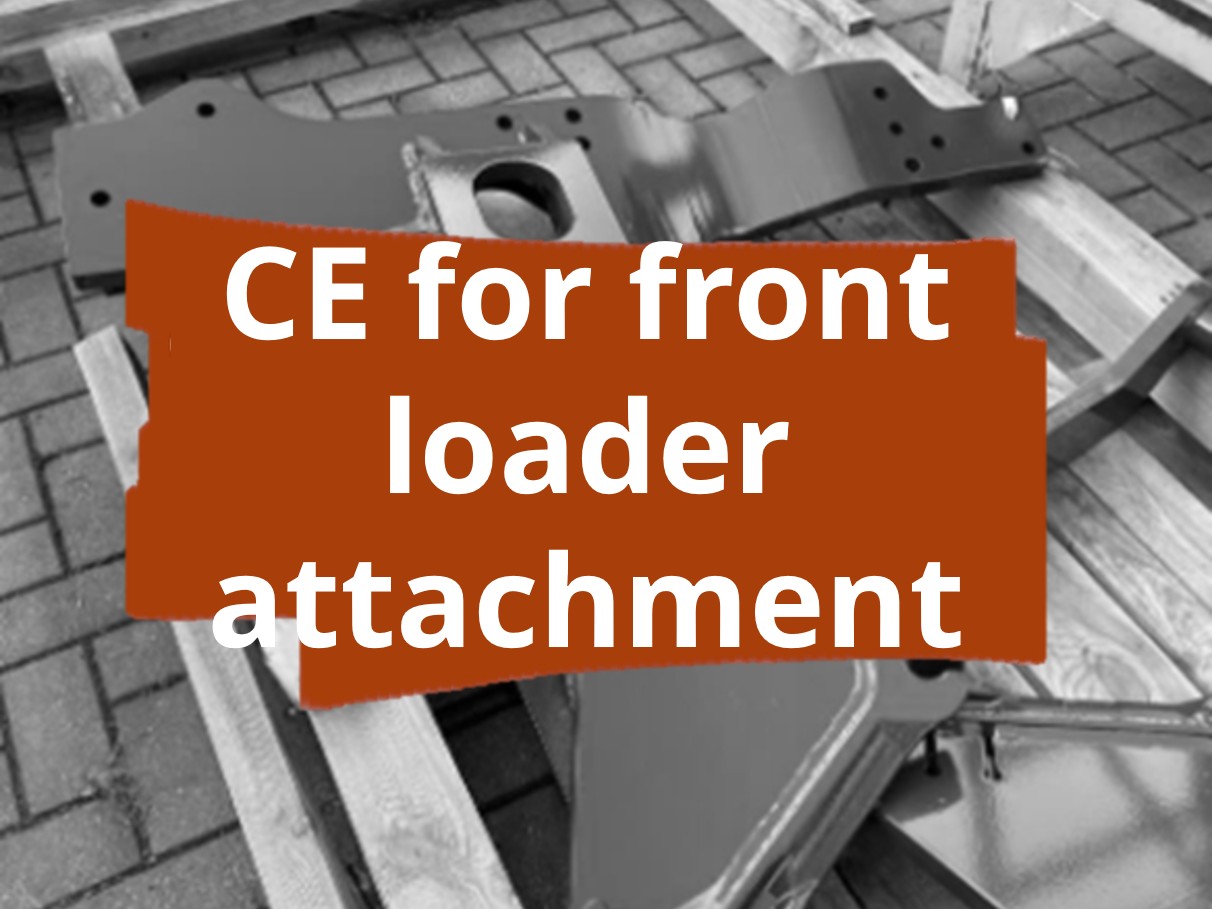
CE marking for front loaders fitted to agricultural and forestry tractors
easyCE supports the CE marking process for tractor-mounted front loaders with an ISOBUS system, including preparation of the declaration of conformity. The risk assessment under EN ISO 12100 considered the requirements for interchangeable equipment. A key challenge was integrating the hydraulic system and electronic controls while addressing safety-related control requirements under EN ISO 13849-1 across the operating modes.
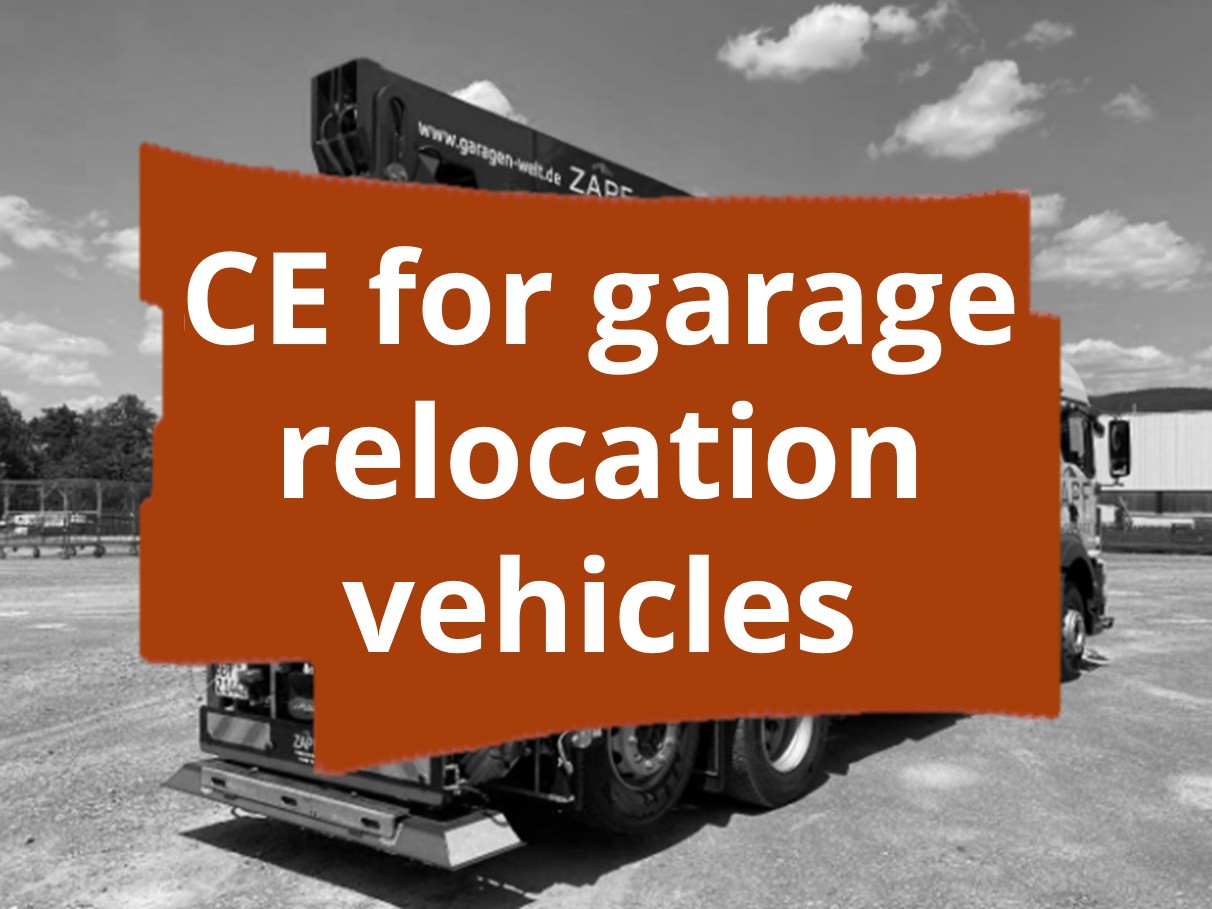
CE marking for garage relocation equipment
easyCE assesses the machinery on a specialist garage relocation vehicle with hydraulic lifting equipment. The work focuses on stability with off-centre loads and overload monitoring. Risk assessment under EN ISO 12100 supports the protective measures and technical documentation for the equipment.
Explore more of our work in the easyCE project portfolio.
Expert support in three clear steps
Step 1
Free initial advice
Describe your product and tell us where you need support. We clarify the applicable requirements and the next steps in a free initial discussion.
Step 2
A clear project proposal
Receive a proposal with a defined scope, deliverables and responsibilities. Your easyCE expert explains the assessment process and the evidence your project needs.
Step 3
Expert delivery
Your dedicated expert coordinates the agreed assessment, documentation and supporting tasks. You receive a structured handover, with any remaining actions clearly identified.
Your compliance project. Expertly handled.
Engineering expertise you can rely on

Willy Lebherz, Founder and Managing Director of easyCE
- Expert in product safety and compliance, since 1995
- Recipient of the "Medal of the Order of Merit of the Federal Republic of Germany", awarded in 1983 by the then Federal President Carl Carstens
- Meister qualification in measurement and control technology
- Captain (ret.), Project Officer for Technical Logistics in the Army Material Office and Chief of the Telecommunications Repair Company
easyCE specialises in product safety and conformity assessment. We combine engineering expertise with digital tools to help manufacturers, machinery users and distributors bring compliant products to market. From risk assessment and identifying relevant standards to technical documentation and test coordination, we carry out the work your project needs. You can choose support for the full process or individual tasks, with a dedicated CE expert as your point of contact. Founded in southern Germany, we work with customers worldwide.
We understand the requirements that apply to your product and can help you work through them.