
 MARKING FOR MACHINERY!
COMPLIANCE MADE SIMPLE
At easyCE, we get CE marking done. Our experts take care of the risk assessment, technical documentation and conformity assessment for your machinery. We deliver your declaration of conformity ready to sign. Choose the complete package or hand over individual tasks. Expert assessment. Complete documentation. Clear results.
Willy Lebherz
Founder and Managing Director of easyCE GmbH
DoC ready to sign!
We prepare your machine's EC declaration of conformity, ready for signature by the responsible signatory
Risk assessment completed!
We carry out the required risk assessment for your machine
Applicable standards identified!
We identify the relevant harmonised standards and check their scope, current references and any restrictions for your machinery.
Technical documentation created!
You receive a practical, easy-to-use operating manual in your preferred language
Ready for CE marking!
Affix the CE marking once conformity has been demonstrated and the declaration of conformity has been signed
CE marking for machinery: the essentials
Machinery requirements
The CE marking process
DoC ready to sign
Why choose easyCE?
Discuss your project
Support tailored to you
The Machinery Directive 2006/42/EC sets out essential health and safety requirements for machinery within its scope before it is placed on the EU market or put into service. The Machinery Regulation (EU) 2023/1230 replaces the Directive from 20 January 2027.
Manufacturers must identify the applicable legislation, carry out a risk assessment and ensure that the machine meets the relevant requirements. Harmonised standards can help demonstrate conformity, but their use is generally voluntary.
At easyCE, we help you turn these requirements into practical action, from identifying hazards and assessing protective measures to preparing the documentation for your conformity assessment.
From identifying the requirements to affixing the CE marking
The process starts with identifying the applicable legislation and relevant standards. Determine which requirements apply to your machinery, including the Machinery Directive and, where relevant, other legislation such as the EMC or ATEX Directive.
A comprehensive risk assessment identifies potential hazards and the protective measures needed in the design. The technical file brings together the design drawings, calculations, test results and safety information that document the assessment.
The responsible signatory signs the EC declaration of conformity under the Machinery Directive, declaring that the machinery meets the applicable requirements. Once all requirements are met, the CE marking can be affixed to the machinery before it is placed on the market or put into service.
easyCE provides digital tools and expert support to make each step of the conformity assessment process efficient, transparent and fully documented. Partly completed machinery follows a separate procedure, explained in the FAQ below.
The EC declaration of conformity is the manufacturer's formal declaration that the machinery meets the applicable requirements under the Machinery Directive and other relevant legislation. It is signed by an authorised signatory and must accompany the machinery.
Our specialists prepare and review your declaration of conformity, checking that the required information is complete and consistent with your technical documentation. This includes the manufacturer and machinery details, applicable legislation and any standards used.
We cross-check the machine identification and assessed configuration against the supporting records. Your team receives a consistent set of documents, with the evidence behind the declaration clearly organised.
We help you organise the supporting documents so they are clear and easy to retrieve. If you need ongoing monitoring and updates, we can agree a separate support service.
For machinery manufacturers across Europe, easyCE combines in-depth technical expertise with efficient digital workflows. We help you work through the requirements for your project, from individual machines to complex production systems.
Our digital tools keep documentation structured, while our experts carry out the agreed technical work. You benefit from a clear process and a dedicated point of contact, with practical support from risk assessment through to the declaration of conformity.
We identify the information needed from your design team and suppliers before it becomes a documentation gap. Technical questions, required checks and outstanding measures are coordinated through your dedicated expert.
Whether you are developing a new machine or modifying an existing one, easyCE provides expert support with CE marking.
Need support with CE marking?
Contact easyCE to discuss your machinery and the support you need. We can carry out your risk assessment, prepare technical documentation and help you complete the conformity assessment process, including a declaration of conformity ready to sign.
Getting started is simple. Tell us what your machinery does, where you are in the project and what you need help with. A CE expert will discuss the requirements and the next steps with you, free of charge.
You then receive a proposal outlining the work your project needs and the scope of support. We talk through the details and answer your questions before you decide how to proceed.
Once you appoint us, your dedicated CE expert carries out the agreed work and supports you throughout the process. Your expert remains available for follow-up questions after completion.
Choose support for the full conformity assessment process or individual tasks. If you already have documentation, we can review it and identify what still needs to be done. If you are starting a new project, we can help you address the requirements early in the design process.
Your dedicated CE expert coordinates the agreed work and keeps you informed throughout the project. Our digital workflows help keep assessments, technical documents and outstanding tasks organised.
We build on the drawings, assessments and supplier records you already have, avoiding unnecessary duplication. The agreed scope makes clear which documents easyCE will deliver and which inputs your team needs to provide.
Whether you are developing a new machine or modifying an existing one, easyCE provides expert support with CE marking.
We support you throughout the CE marking process
Thousands of machines. One trusted CE partner.





















Your role determines your CE marking responsibilities
Machinery manufacturers
Machinery owners and operators
Machinery exporters
Machinery importers
Manufacturers are responsible for machinery conformity and for completing the applicable CE marking process.
Consider the Machinery Directive and relevant standards early in the design process to reduce the need for changes later. Assess the complete machine and how its components work together: using CE-marked components does not establish conformity of the finished machine. Operating instructions in the required language or languages are also part of the process. Before machinery is placed on the market or put into service, the manufacturer or authorised representative must complete the applicable conformity assessment, prepare the EC declaration of conformity and affix the CE marking. Partly completed machinery follows a separate procedure.
Our experts can prepare the agreed documentation, from the risk assessment and technical file to the nameplate information and declaration of conformity. We can also review your operating instructions against the applicable requirements or prepare instructions tailored to your machine.
Machinery owners and operators must provide safe work equipment and may also take on a manufacturer's responsibilities.
Employers must assess workplace risks and keep machinery suitable and safe for use. CE marking does not replace these duties. Older machinery does not automatically need retrospective CE marking: the applicable requirements depend on its history, including when and where it was first placed on the market or put into service. Building machinery for your own use, creating an integrated assembly or making substantial changes can bring manufacturer responsibilities. Assess the specific situation before deciding whether a new conformity assessment is needed.
Unsure whether a machine you own or plan to buy meets the applicable CE requirements? We can review its CE documentation, assess proposed changes and identify the next steps.
Export requirements depend on the destination market and your role in the supply chain.
Machinery entering the European Economic Area (EEA) must meet the applicable product requirements. Exporting a machine does not, by itself, determine who is legally responsible for its conformity. Establish who acts as the manufacturer and who places the machine on the market, and agree how the required documentation will be provided. Make sure you can provide customs and other authorities with the documentation needed to demonstrate compliance. We also support UKCA marking where relevant to your destination market.
Our experts can help you prepare and review the documentation for your conformity assessment, including the risk assessment, technical file, nameplate information, declaration of conformity and operating instructions.
Check the applicable conformity requirements and documentation before importing machinery.
Before bringing machinery from outside the EEA onto the EEA market, check that the applicable conformity assessment has been completed and that the required marking, declaration and operating instructions are available. This also applies to used machinery entering the EEA market for the first time. Agree how the manufacturer will make the technical file available to the authorities when required; it does not normally have to accompany the machine. Importers may take on manufacturer responsibilities, for example when placing machinery on the market under their own name or where there is no manufacturer as defined by the Machinery Directive. Instructions must meet the destination country's language requirements.
Our experts can review the documentation supplied with your machine, identify gaps and prepare the agreed conformity assessment documents. We can also review the operating instructions against the applicable requirements.
CE marking made easier with easyCE
Scroll sideways to compare all options.
Approach to CE marking
Flexibility of support
Scope of support
Project contact
A clear, practical approach to CE marking
Our experts guide you through CE marking, with support tailored to your needs
Choose the support you need: the full CE marking process or help with individual steps
From the start, you have a dedicated CE expert to support you throughout the process
Other CE service providers
Approach and project fit depend on the provider
Processes and flexibility depend on the provider
Scope agreed with the provider
Contact arrangements agreed for the project
CE software
A standardised workflow that your team adapts to the project
Your team manages the software and carries out the assessment
Features depend on the software and the modules purchased
Technical project support may require an additional service
We make CE marking simpler
Successful CE marking. Project after project.
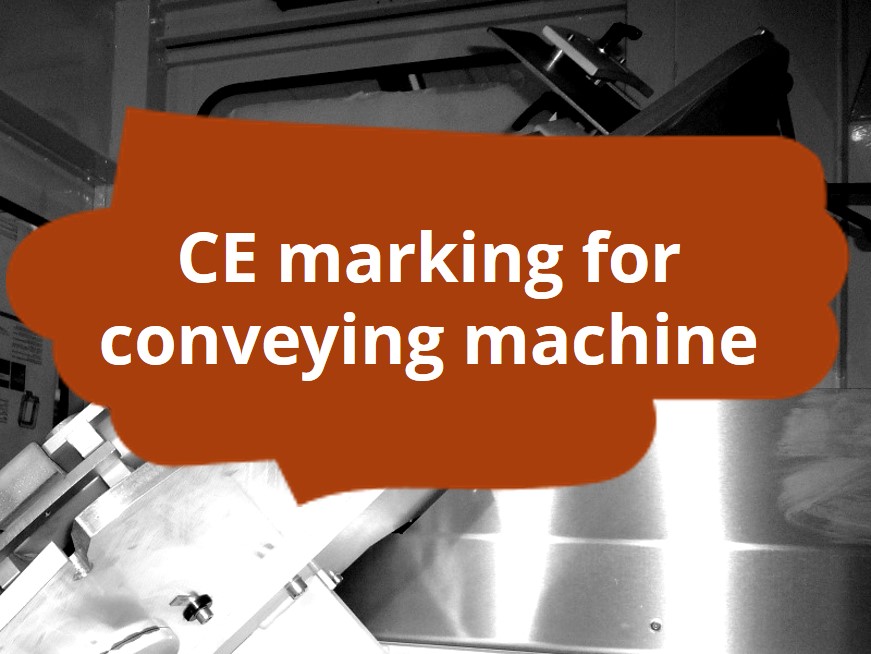
CE marking for conveyors that separate small parts and feed them into the next processing stage
easyCE supports the full conformity assessment for conveyor machinery, from risk assessment to a declaration of conformity ready to sign. The assessment focused on protecting operators from drawing-in and crushing hazards caused by the many moving parts.
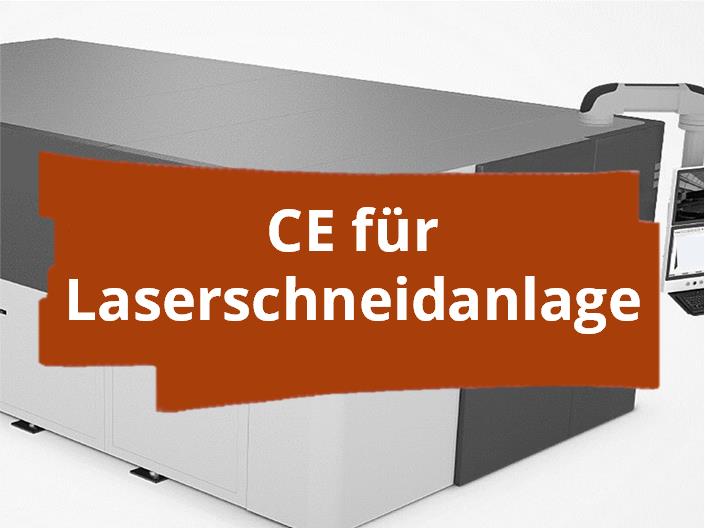
CE marking and declaration of conformity for a 2D laser cutting system
easyCE supports the full conformity assessment for a 2D laser cutting system with an automatic pallet changer. The work included coordinating the safety concept and two-beam light barrier, determining the performance level, analysing the product and carrying out a risk assessment in accordance with EN ISO 12100. Particular attention was needed for the cutting head's support structure and the movements of the pallet changer and cutting head. Laser protection screens, safety devices and a complete enclosure shield operators from the Class 4 laser cutting process inside the cabin, with Class 1 laser conditions outside the machine.
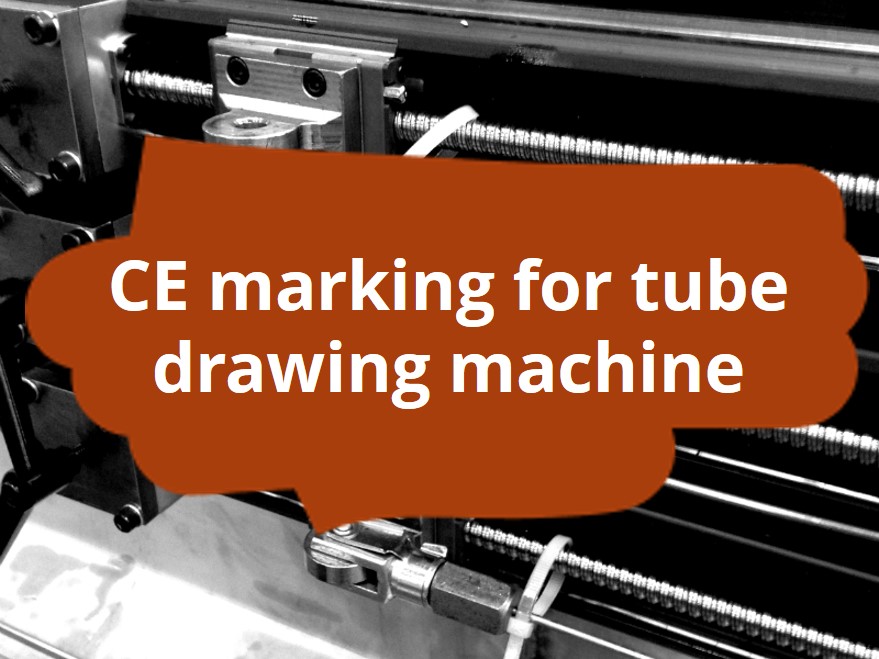
CE marking and workplace safety support for a pipe drawing machine
easyCE supports the full conformity assessment, from risk assessment to a declaration of conformity ready to sign. The project also covered workplace safety assessments and the preparation of workplace operating instructions. The work focused on crushing and cutting hazards affecting operators' hands and arms, as well as workplace risks associated with frequent handling of drawing oil.
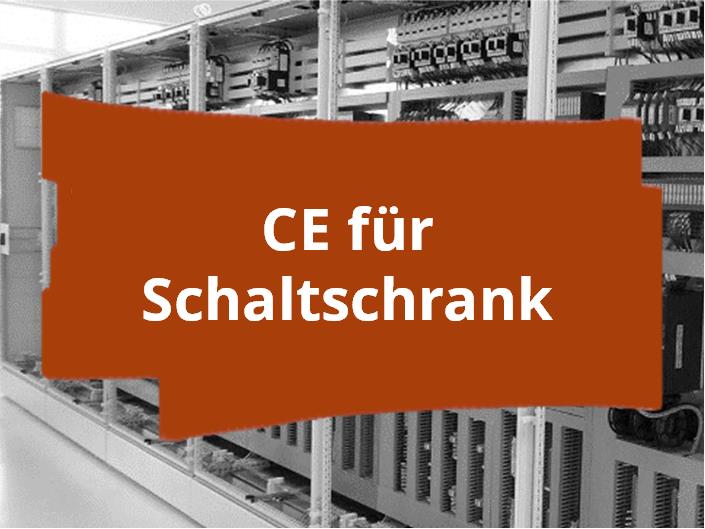
CE marking for control cabinets
easyCE supports the conformity assessment for control cabinets, including risk assessment and preparation of a declaration of conformity ready to sign. The assessment considered the Machinery, EMC and Low Voltage Directives, alongside DIN EN 60204-1:2019-06 and DIN EN IEC 61439-1:2021-10. The work also included a checklist to help select suppliers and components that meet the project's specific requirements.
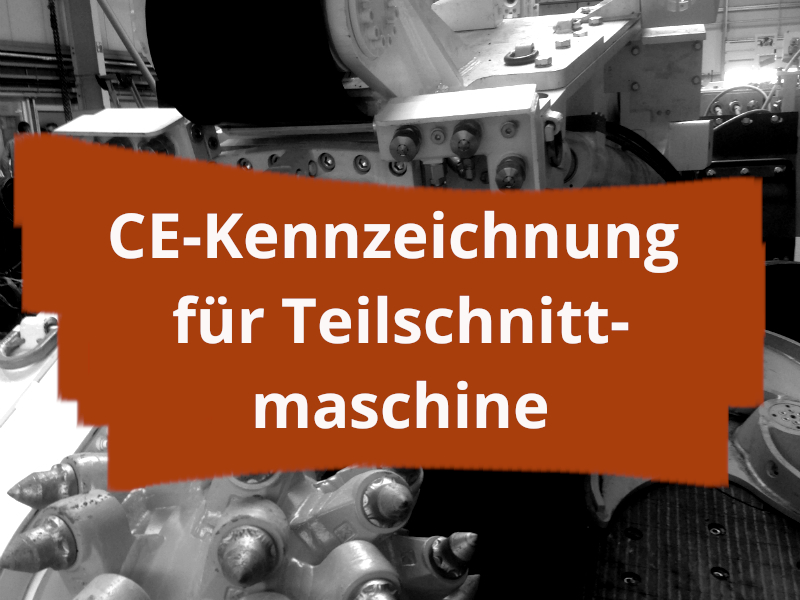
CE marking for an underground mining roadheader
easyCE supports the conformity assessment and CE marking process for a roadheader used in underground coal mining. The safety devices, including safety valves, protection against unintended lowering, control circuits and other hydraulic components, were assessed against the relevant standards and documented. Material selection also needed to account for structural stability and torsional rigidity. The risk assessment followed EN ISO 12100. A follow-up project involved an ATEX version of the machine.
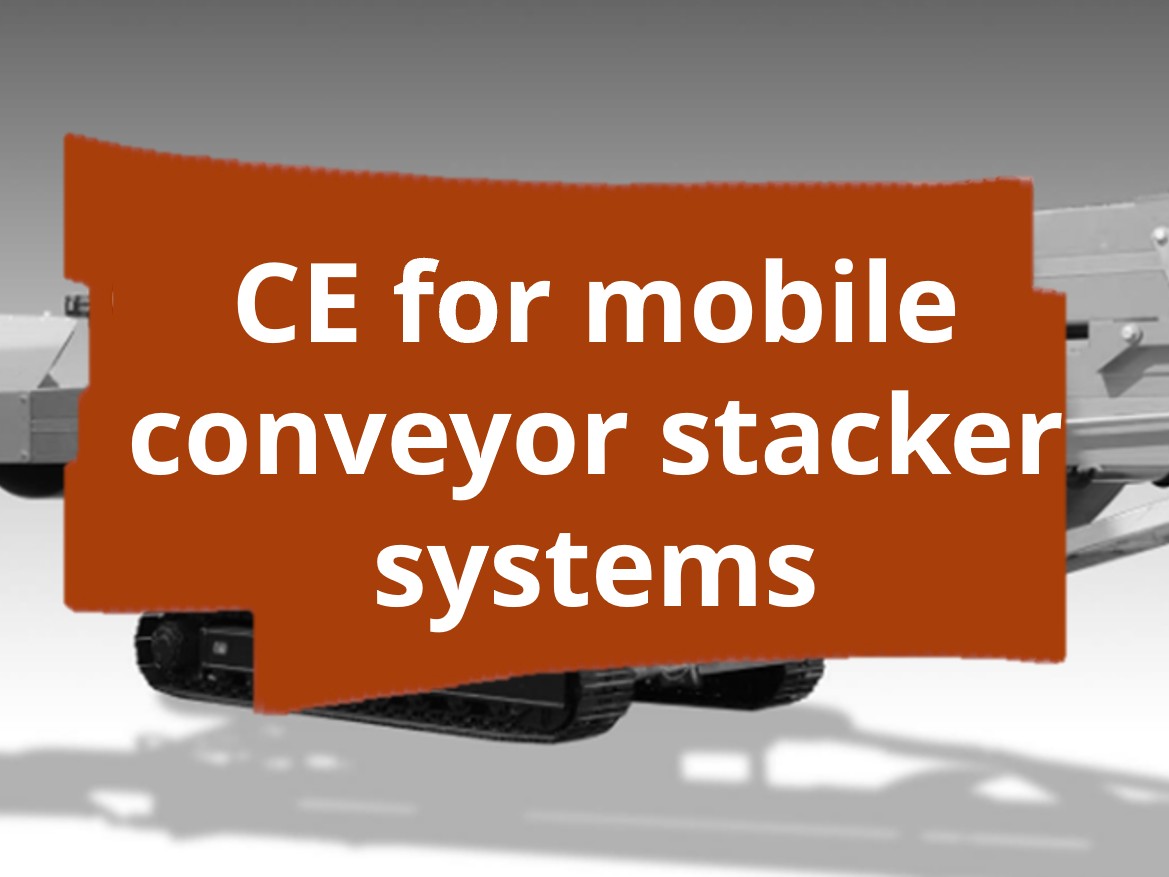
CE marking for mobile conveyor stacker systems with remote control
easyCE supports the CE marking process for a mobile conveyor stacker system, including a declaration of conformity ready to sign. The safety design needed to address both local and remote operation. A risk assessment in accordance with EN ISO 12100 identified hazards and the protective measures needed. The work covered safety-related controls under EN ISO 13849-1 and emergency stop functions in both operating modes under EN 60204-1.
CE marking for an electric plate separator
easyCE supports the CE marking process for a plate separator that removes liquid droplets from aerosols, including preparation of the declaration of conformity. The assessment covered the pressure-regulating valve and electrical controls under EN 60204-1. The risk assessment in accordance with EN ISO 12100 focused on thermal hazards and the system's behaviour if a control signal is lost.
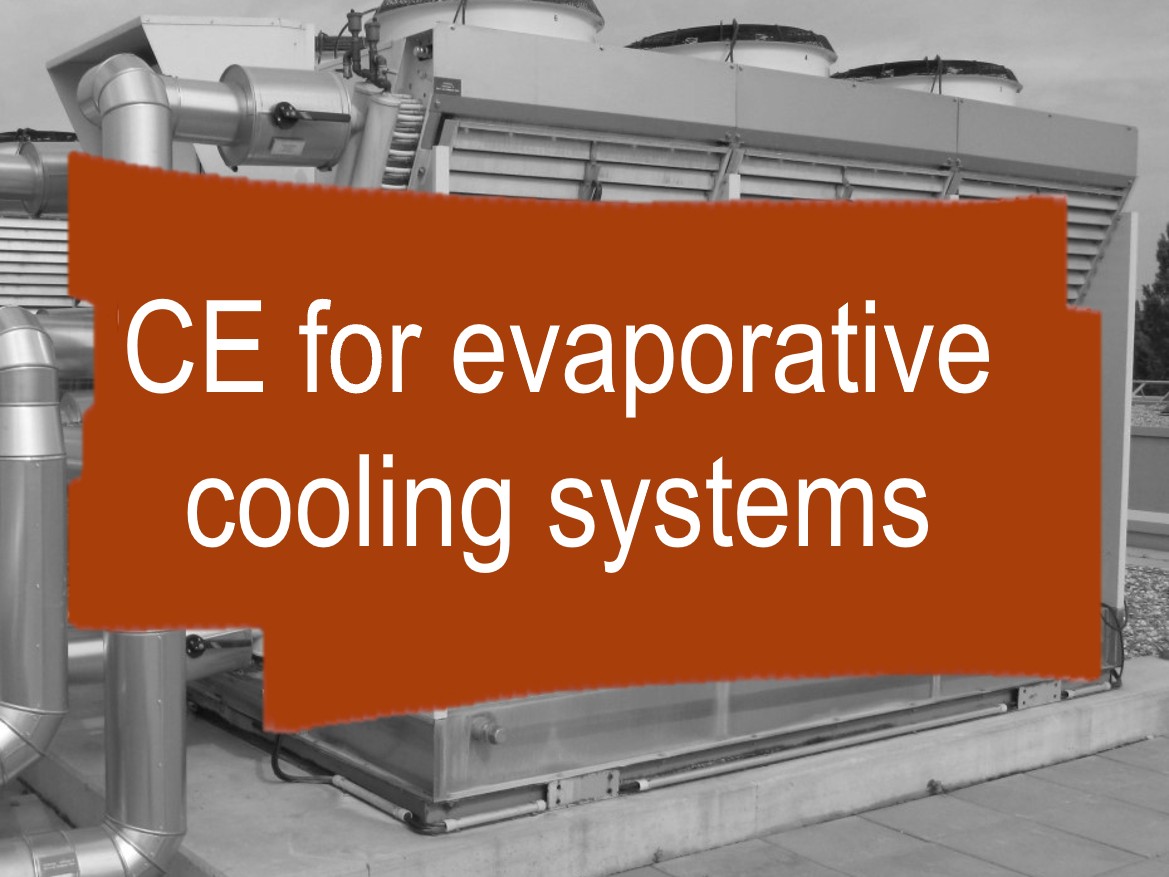
CE marking for industrial evaporative cooling systems
easyCE supports the CE marking process for industrial cooling systems with water circulation and automatic temperature control, including preparation of the declaration of conformity. The work covered risk assessment under EN ISO 12100 and electrical safety under EN 60204-1. A key challenge was integrating the water-circuit and fan controls while addressing the safety-related control requirements of EN ISO 13849-1.
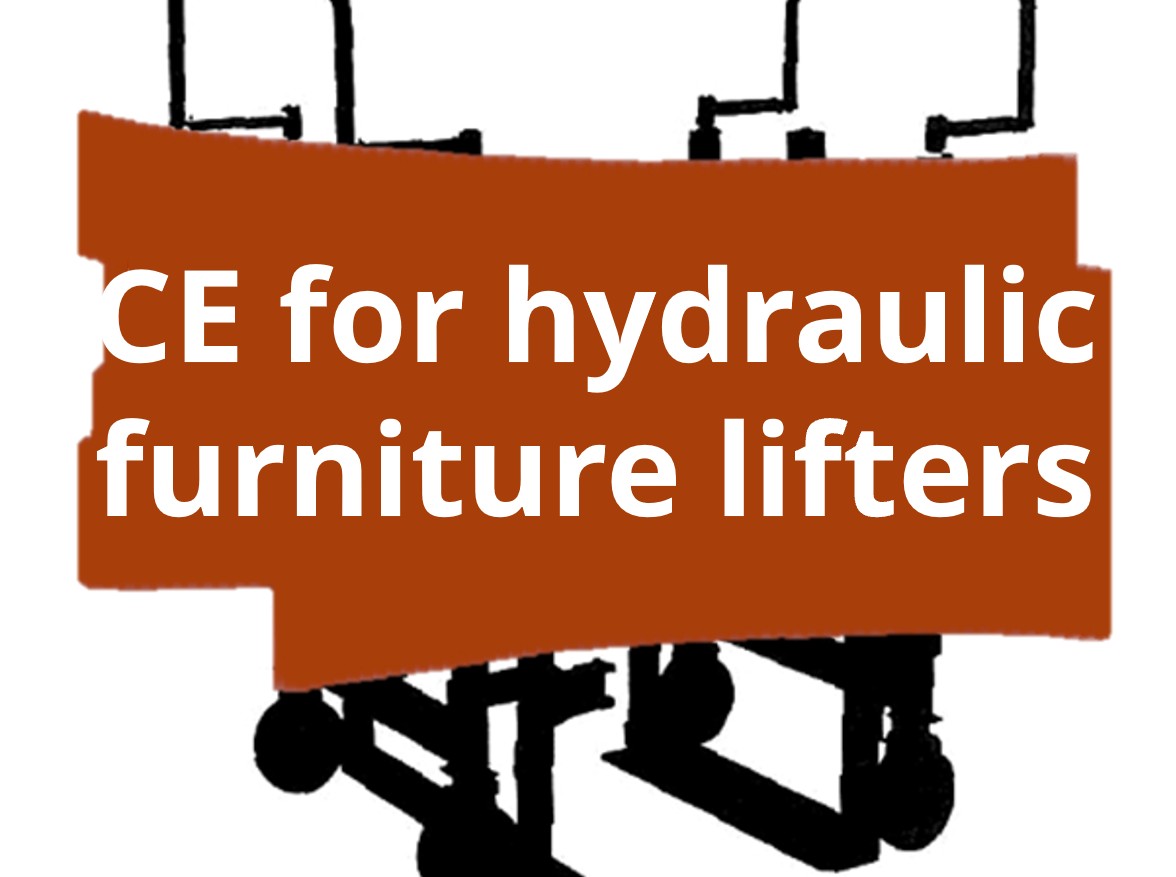
CE marking for hydraulic furniture lifters
easyCE supports the CE marking process for hydraulic lifting systems used to move furniture, including preparation of the declaration of conformity. The assessment covered risks under EN ISO 12100, lifting-table safety under EN 1570-1 and the hydraulic systems under EN ISO 4413. A key challenge was coordinating the two lifting units so they could operate together safely.
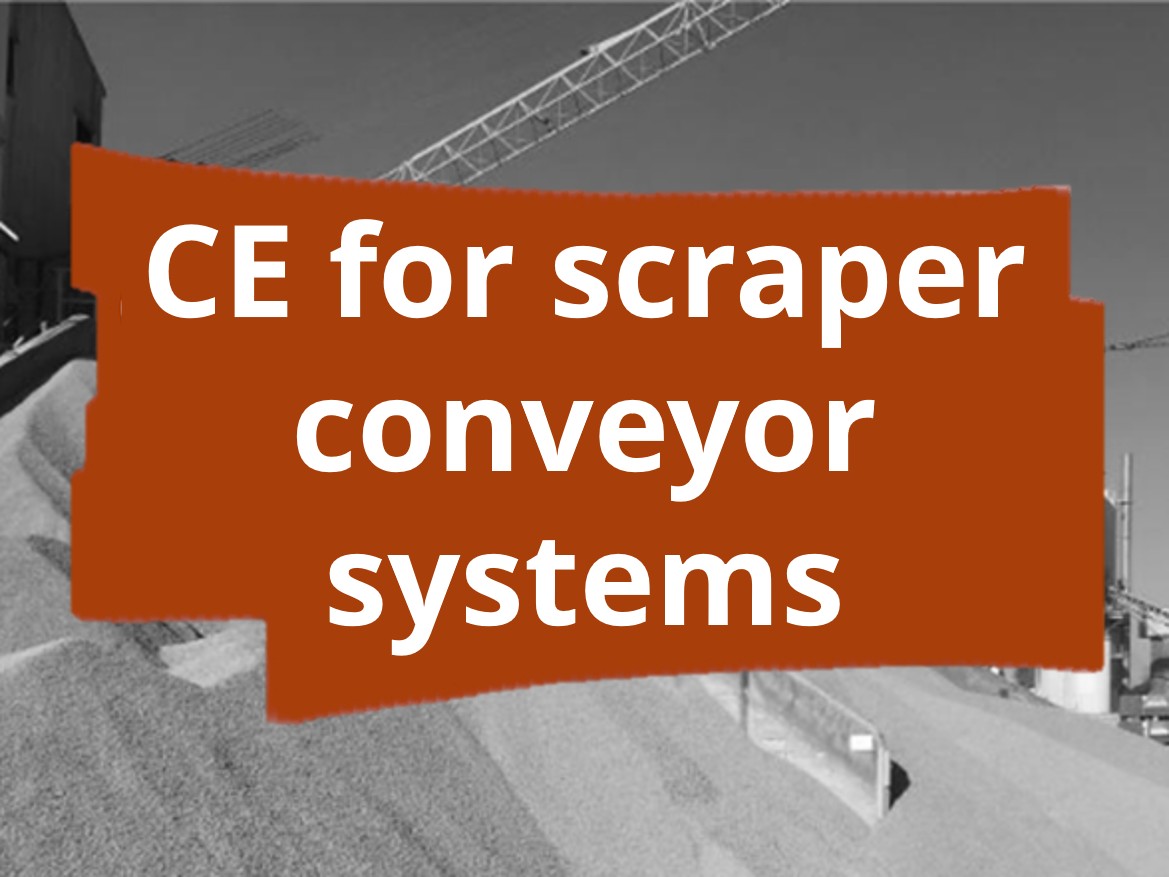
CE marking for scraper conveyor systems in the construction industry
easyCE supports the CE marking process for scraper conveyors that move dry or moist bulk materials, including preparation of the declaration of conformity. The risk assessment under EN ISO 12100 focused on safe access to the material bays and interfaces with delivery vehicles. The work also addressed a safety-related control system under DIN EN 12629-1 to protect personnel while keeping the system efficient to operate.

CE marking for air-cooled condensers and dry coolers
easyCE supports the CE marking process for V-shaped condensers and dry coolers with different refrigerant options, including preparation of the declaration of conformity. The assessment covered risks under EN ISO 12100 and electrical equipment under EN 60204-1. Particular attention was given to the fan control systems and to protecting personnel from hazardous areas, using the safety distances specified in EN ISO 13857.
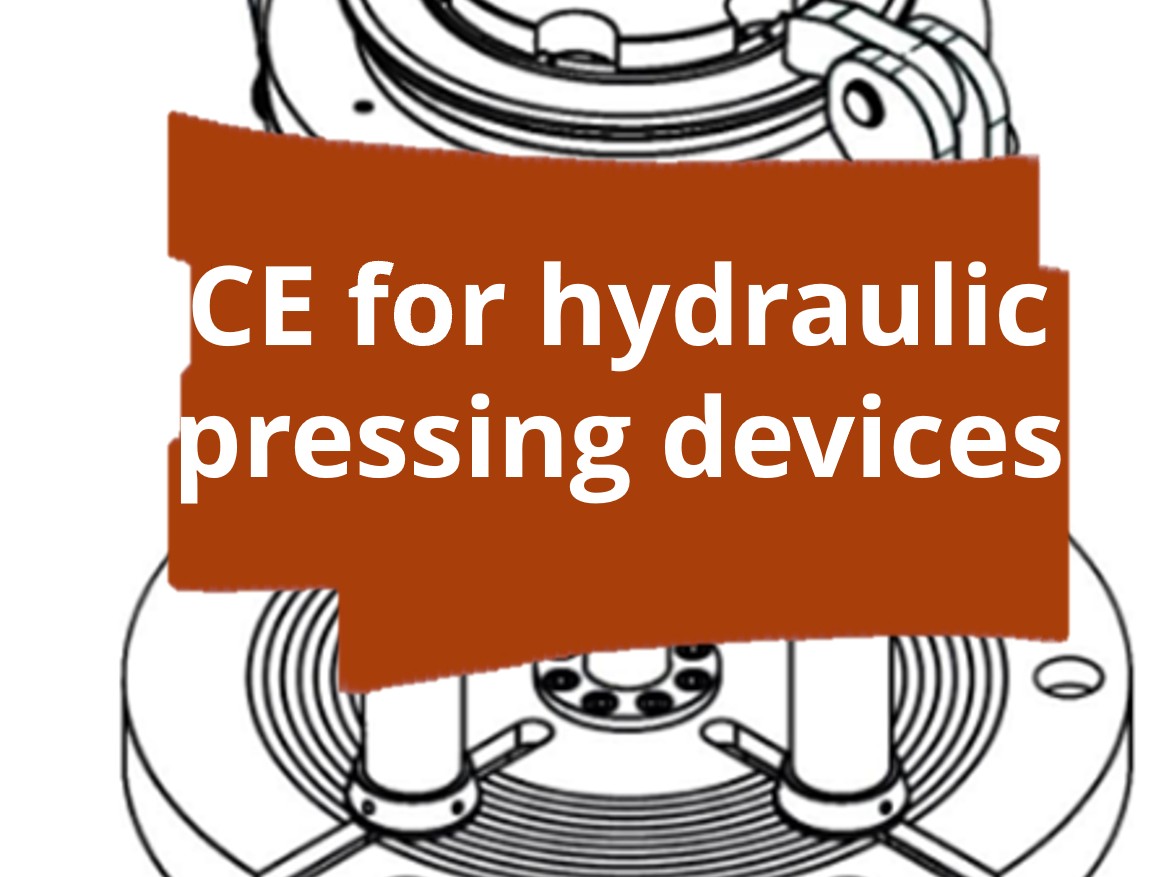
CE marking for a hydraulic wheel pressing device
easyCE supports the CE marking process for a hydraulic device used for precise wheel assembly, including preparation of the declaration of conformity. The assessment focused on the hydraulic system under EN ISO 4413 and electrical equipment under EN 60204-1. A risk assessment under EN ISO 12100 addressed the machine's 180 bar operating pressure and three-phase electrical supply.
CE marking for automotive fire-resistance test equipment
easyCE supports the CE marking process for a specialised test rig used for fire-resistance tests under ECE R100, including preparation of the declaration of conformity. A key challenge was analysing ignition sources and developing the safety-related controls under EN ISO 13849-1 for a process that deliberately generates fire. The safety concept included redundant systems, personnel-presence checks and interlocked access under EN ISO 14119.
CE marking for compact mini excavators
easyCE supports the CE marking process for compact mini excavators, including preparation of the declaration of conformity. The assessment covered safety-related machine controls under EN ISO 13849-1 and hydraulic systems under EN ISO 4413. Particular attention was given to preventing hazards caused by sudden movements or a loss of hydraulic pressure.
CE marking for laser welding cabins with hand-held laser systems
easyCE supports the CE marking process for laser welding cabins with hand-held laser systems, including preparation of the declaration of conformity. The work focused on laser protection under DIN EN 60825-4 and safety-related interlocks under EN ISO 13849-1. The safety concept used sensors to prevent unintended activation outside the designated work area and to protect operators from hazardous laser radiation.
CE marking for rotary transfer machines
easyCE supports the CE marking process for rotary transfer machines that process metal wire in successive stages, including preparation of the declaration of conformity. The assessment focused on protective devices under DIN EN ISO 16090-1, safety-related controls under EN ISO 13849-1 and electrical equipment under EN 60204-1. The safety concept was designed to protect operators while supporting productive operation.
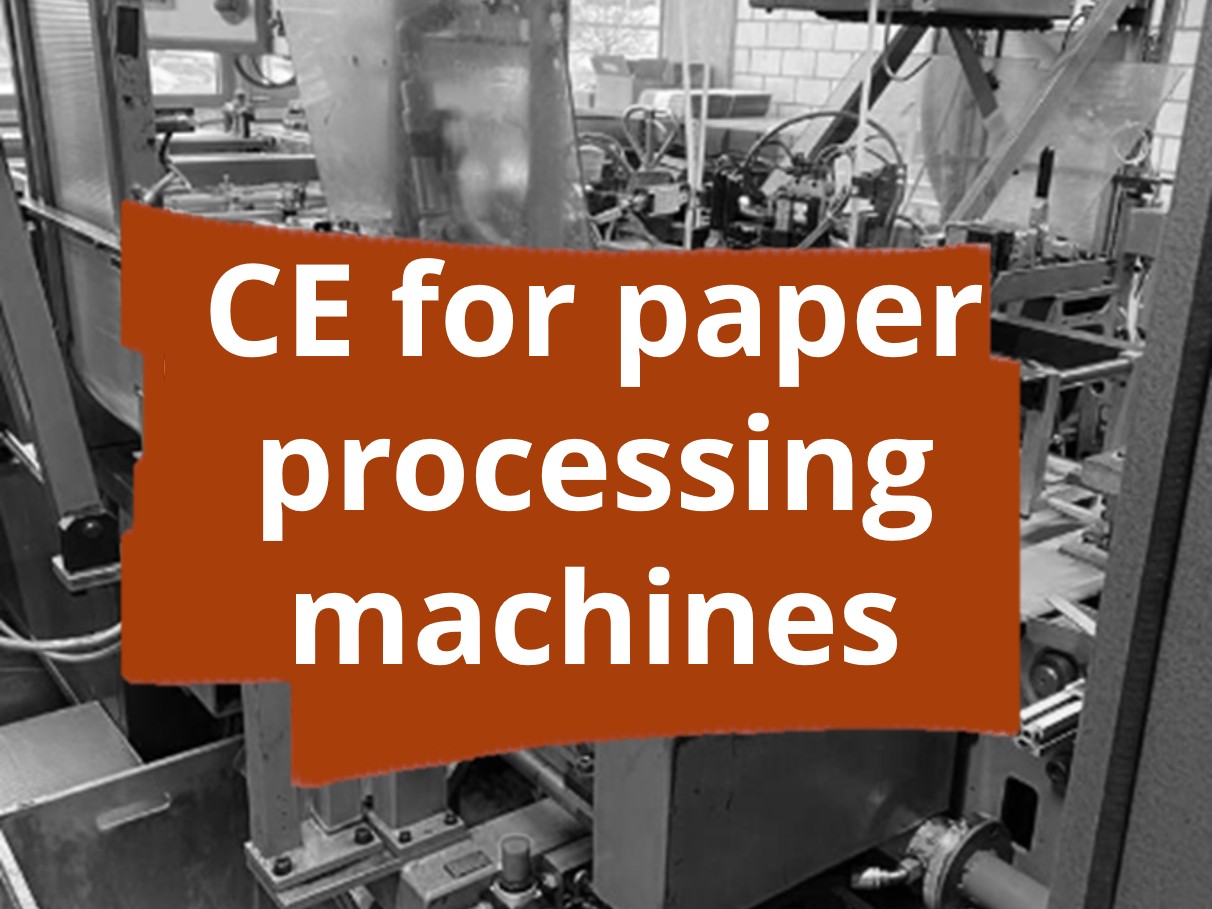
CE marking for machinery used to manufacture suspension files
easyCE supports the CE marking process for machinery used to manufacture suspension files, including preparation of the declaration of conformity. The risk assessment under EN ISO 12100 focused on guarding the presses, cutting units and in-running nips, with reference to EN ISO 14120. The work also covered the safety-related control system under EN ISO 13849-1.
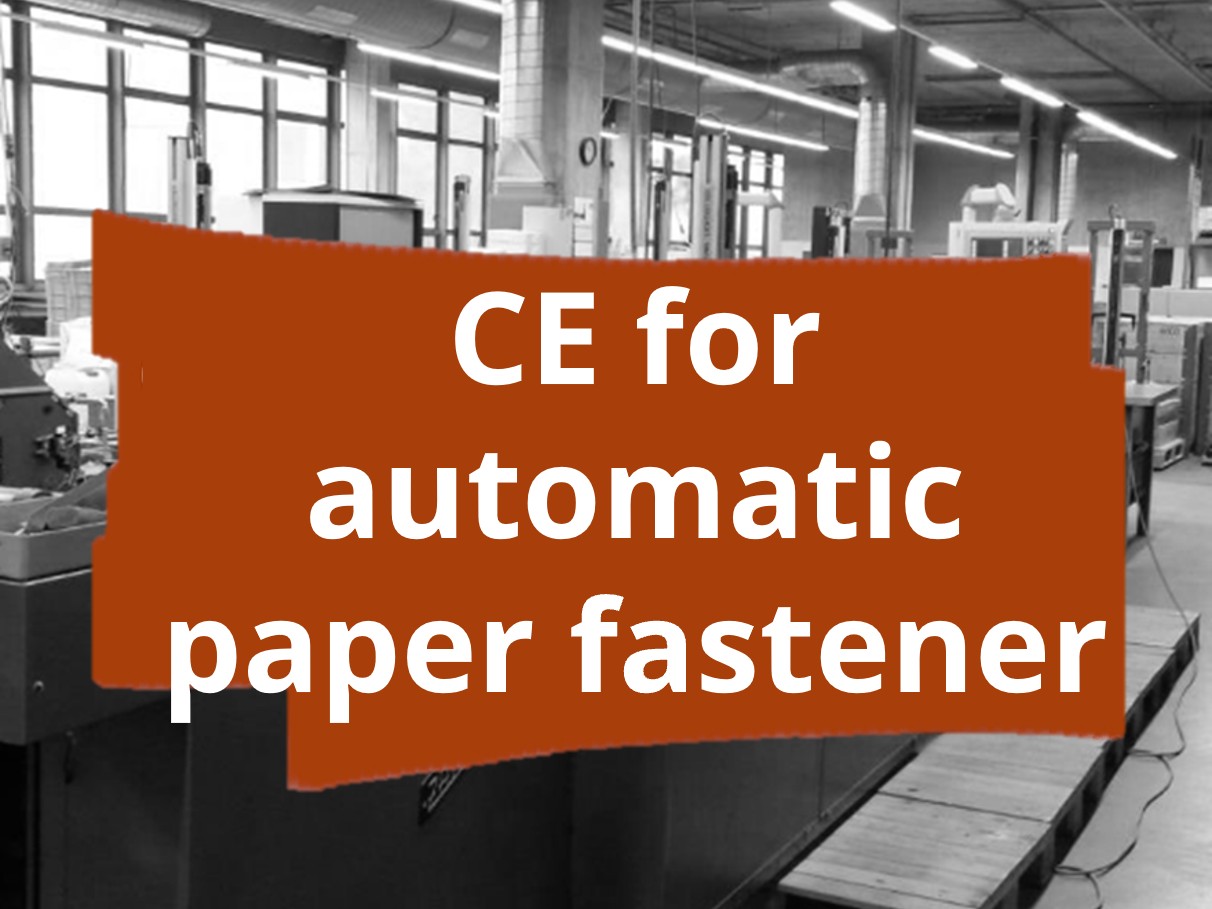
CE marking for an automatic paper fastener machine
easyCE supports the CE marking process for an automatic paper fastener machine with multiple processing stations, including preparation of the declaration of conformity. The risk assessment under EN ISO 12100 focused on the printing cylinder and stapling unit. The work covered the integration of light barriers, safety distances under EN ISO 13857 and reduced-mode operation during set-up. It also addressed fixed guards under EN 1010-1 and safety-related controls under EN ISO 13849-1.
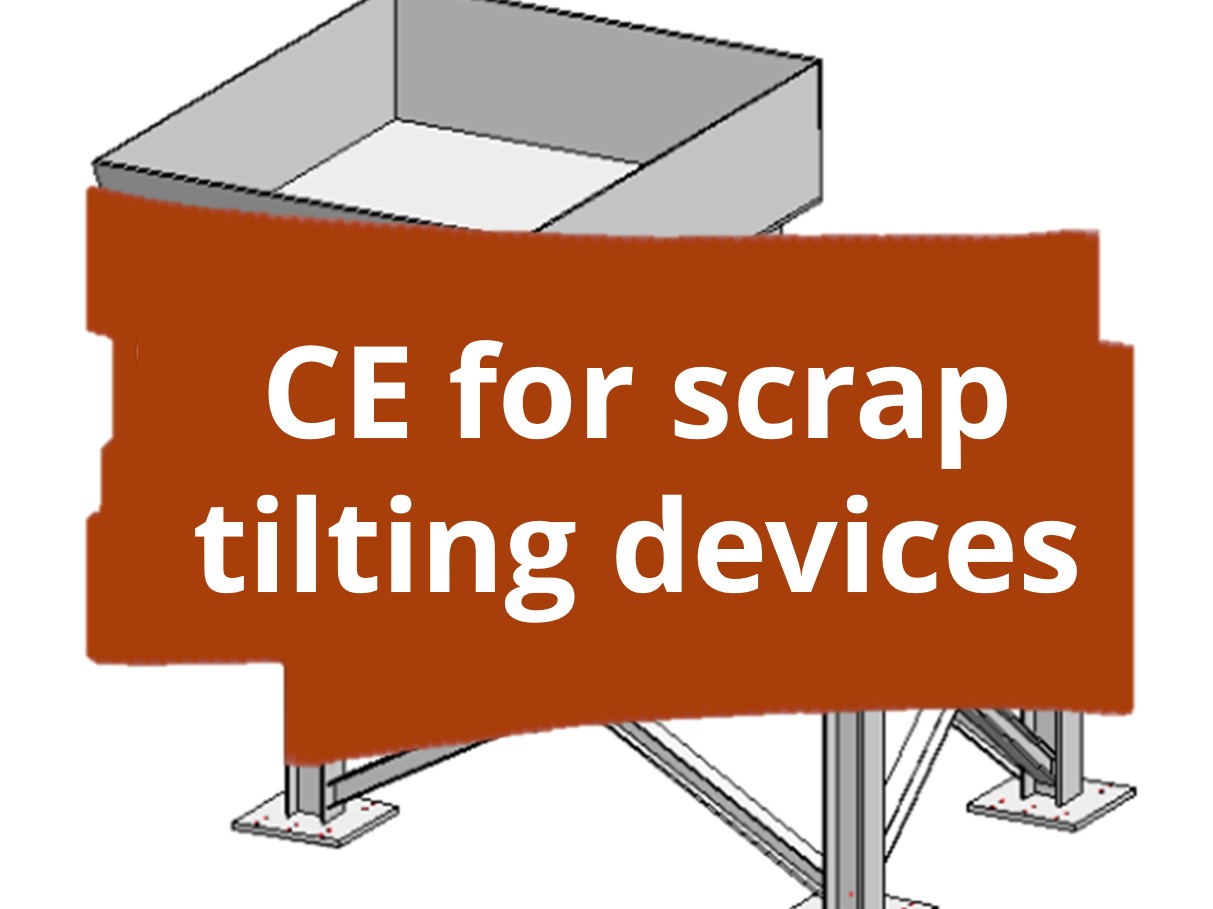
CE marking for industrial scrap tilting devices
easyCE supports the CE marking process for an automated device used to tilt and handle metal scrap, including preparation of the declaration of conformity. A key challenge was maintaining safe operation under high dynamic loads. The assessment covered the mechanical risks under EN ISO 12100 and electrical equipment under EN 60204-1, with the findings recorded in the technical documentation.
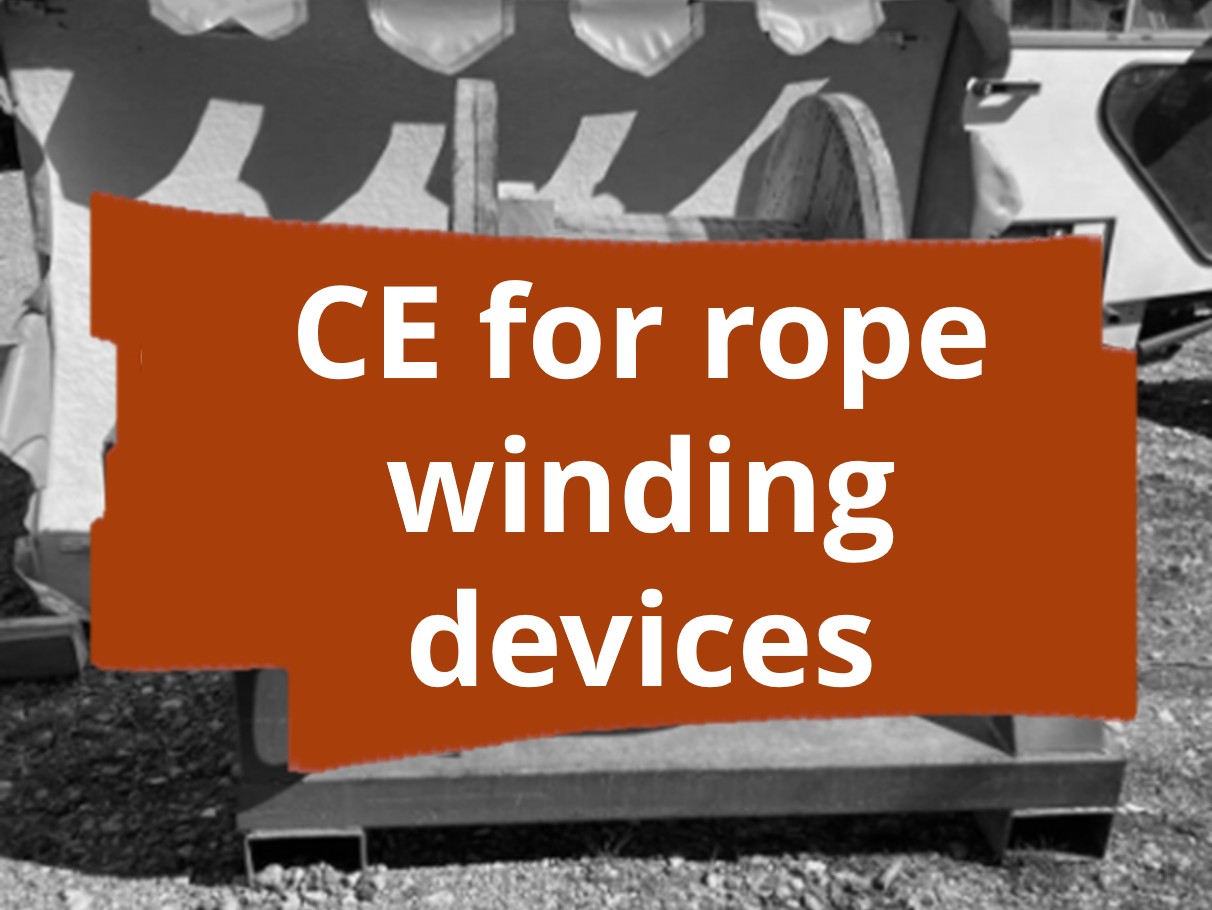
CE marking for rope-winding devices in leisure facilities
easyCE supports the CE marking process for electrically powered rope-winding devices, including preparation of the declaration of conformity. The assessment focused on the drive's safety-related controls under EN ISO 13849-1 and electrical equipment under EN 60204-1. The safety concept needed to address outdoor use in changing weather conditions and provide a reliable emergency stop function.
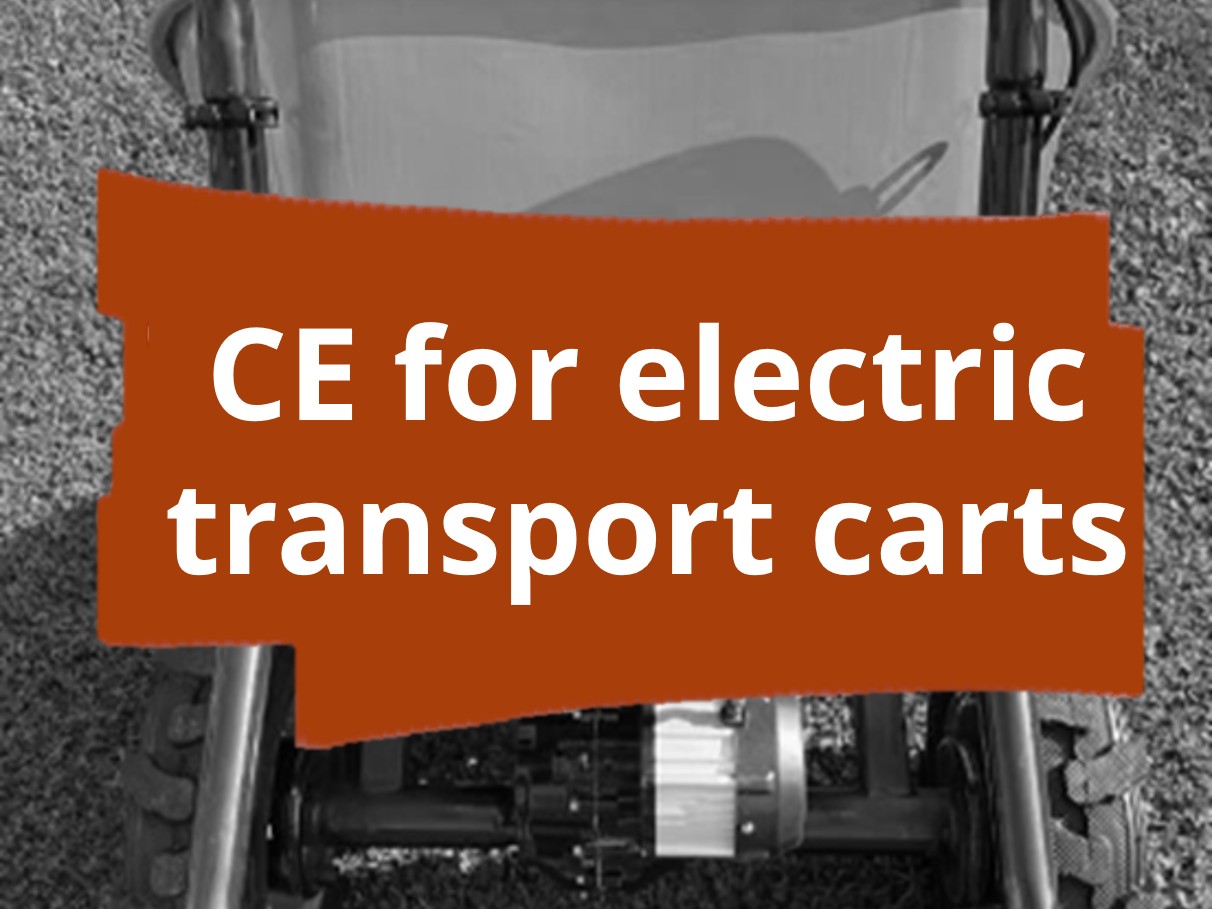
CE marking for electrically powered transport carts
easyCE supports the CE marking process for electrically powered transport carts with integrated batteries, including preparation of the declaration of conformity. The risk assessment under EN ISO 12100 identified the hazards and protective measures needed. Particular challenges included EMC requirements under EN 55014-1 and the safety of the control system and slope assistance function.
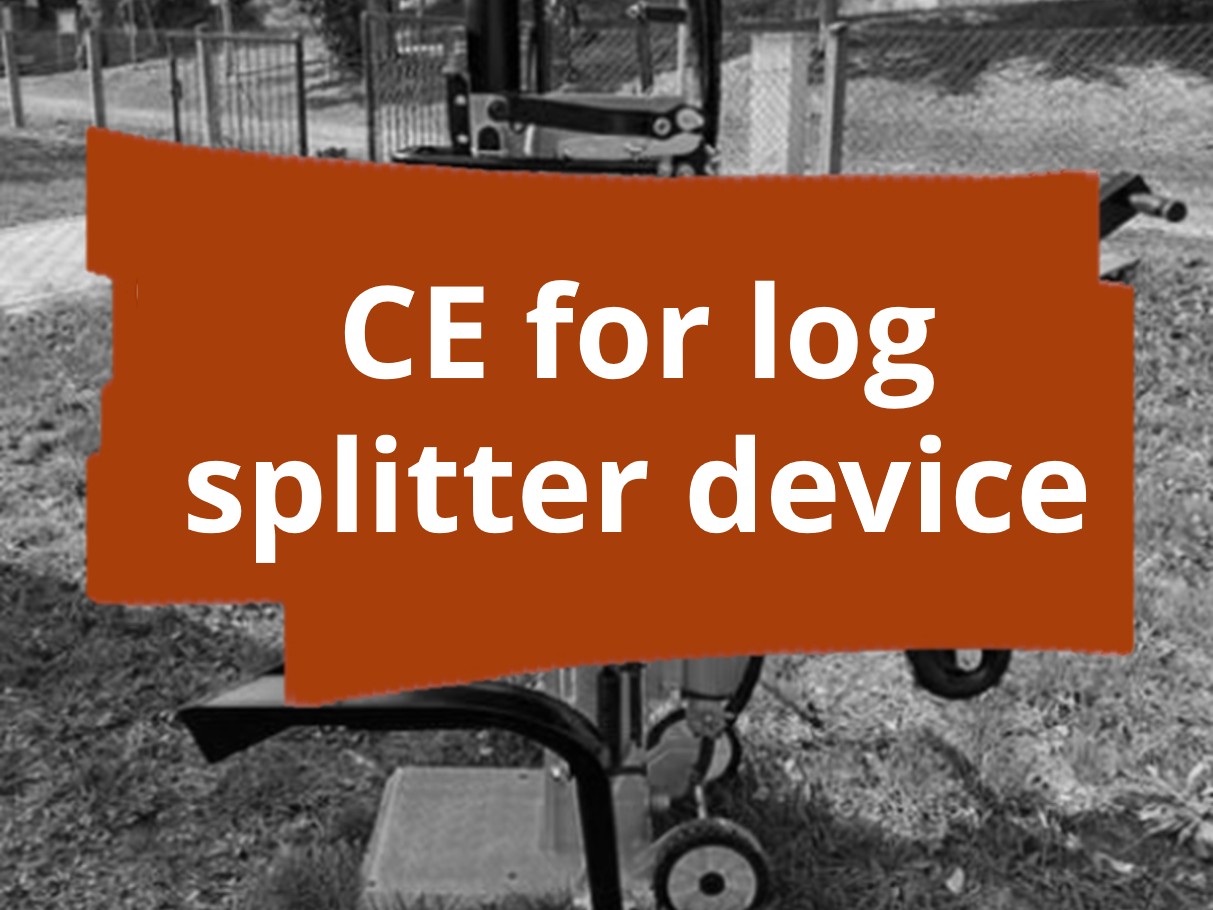
CE marking for hydraulic log splitters
easyCE supports the CE marking process for hydraulic log splitters, including preparation of the declaration of conformity. A key challenge was addressing the safety requirements of EN 609-1 while keeping the machines comfortable and practical to use. The risk assessment under EN ISO 12100 focused on guards around the splitting wedge and two-hand controls to protect operators from crushing hazards.
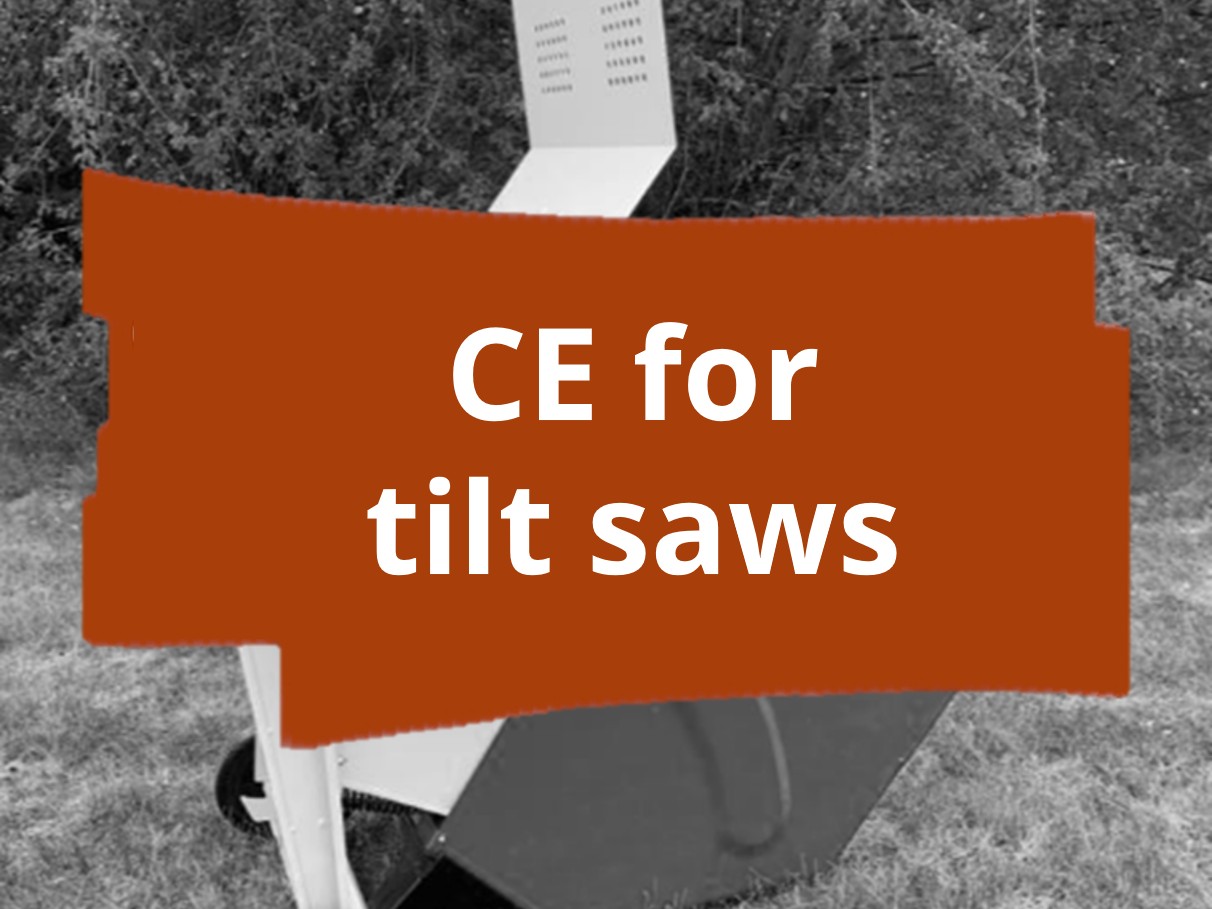
CE marking for log saws used to cut firewood
easyCE supports the CE marking process for log saws, including preparation of the declaration of conformity. The assessment covered risks under EN ISO 12100 and safety-related controls under EN ISO 13849-1. Particular attention was given to safeguarding the tilting mechanism to reduce crushing and cutting risks while keeping the saw easy to use.
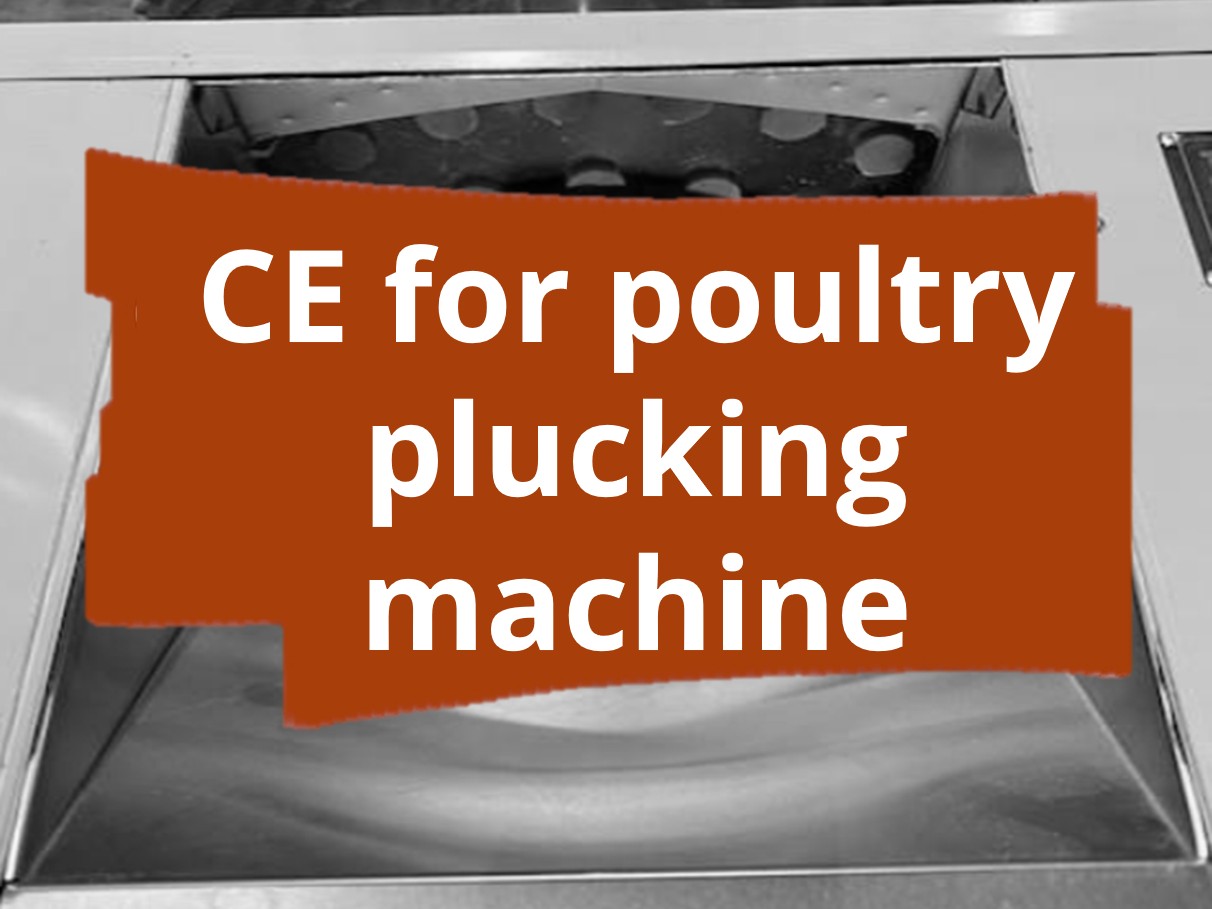
CE marking for poultry plucking machines
easyCE supports the CE marking process for a poultry plucking machine with a rotating drum and rubber fingers, including preparation of the declaration of conformity. The risk assessment under EN ISO 12100 focused on mechanical hazards from rotating parts and the protective measures needed. A key challenge was addressing electrical safety under EN 60204-1 alongside protection against water during hygienic cleaning.
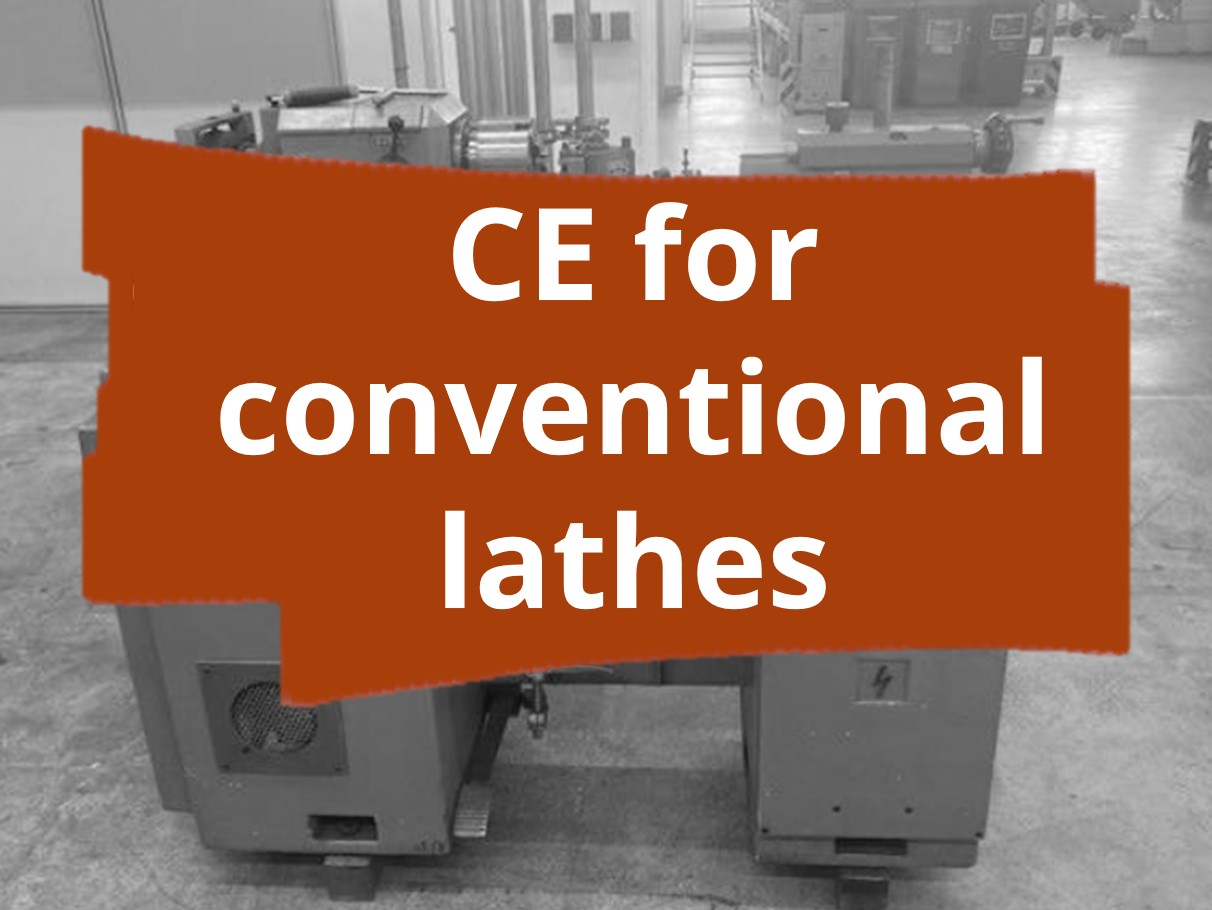
CE marking for conventional lathes
easyCE supports the CE marking process for conventional metalworking lathes, including preparation of the declaration of conformity. The risk assessment under EN ISO 12100 identified the requirements for controls and protective devices. The work also addressed the machine-specific requirements of EN ISO 23125, particularly those relating to moving parts and drive components.
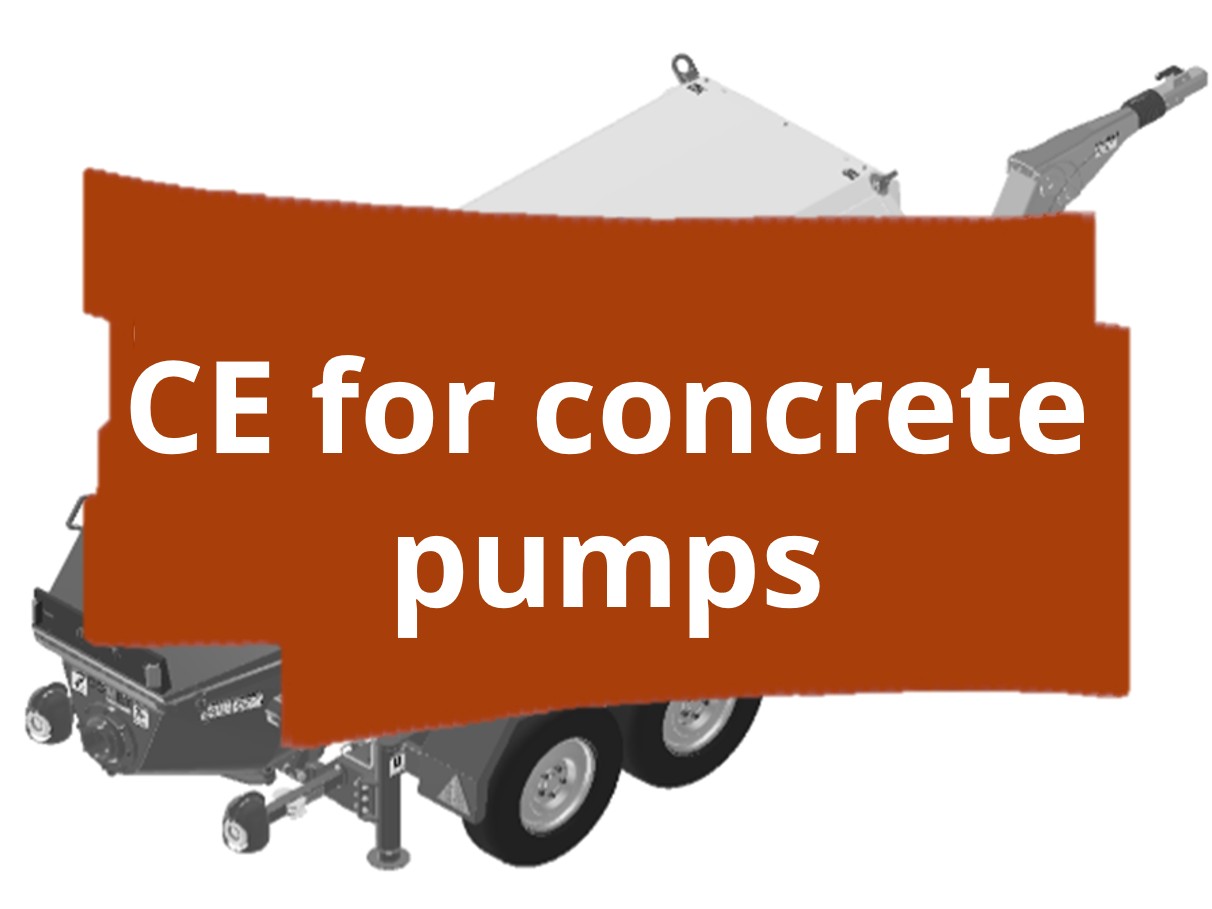
CE marking for mobile concrete pumps
easyCE supports the CE marking process for mobile concrete pumps with hydraulic drives, including preparation of the declaration of conformity. The assessment covered emergency stop functions and interlocks under EN ISO 13849-1. The risk assessment under EN ISO 12100 focused on the load-sensing hydraulic system and overload protection, alongside the requirements of EN 12001 for concrete conveying and distribution machinery.
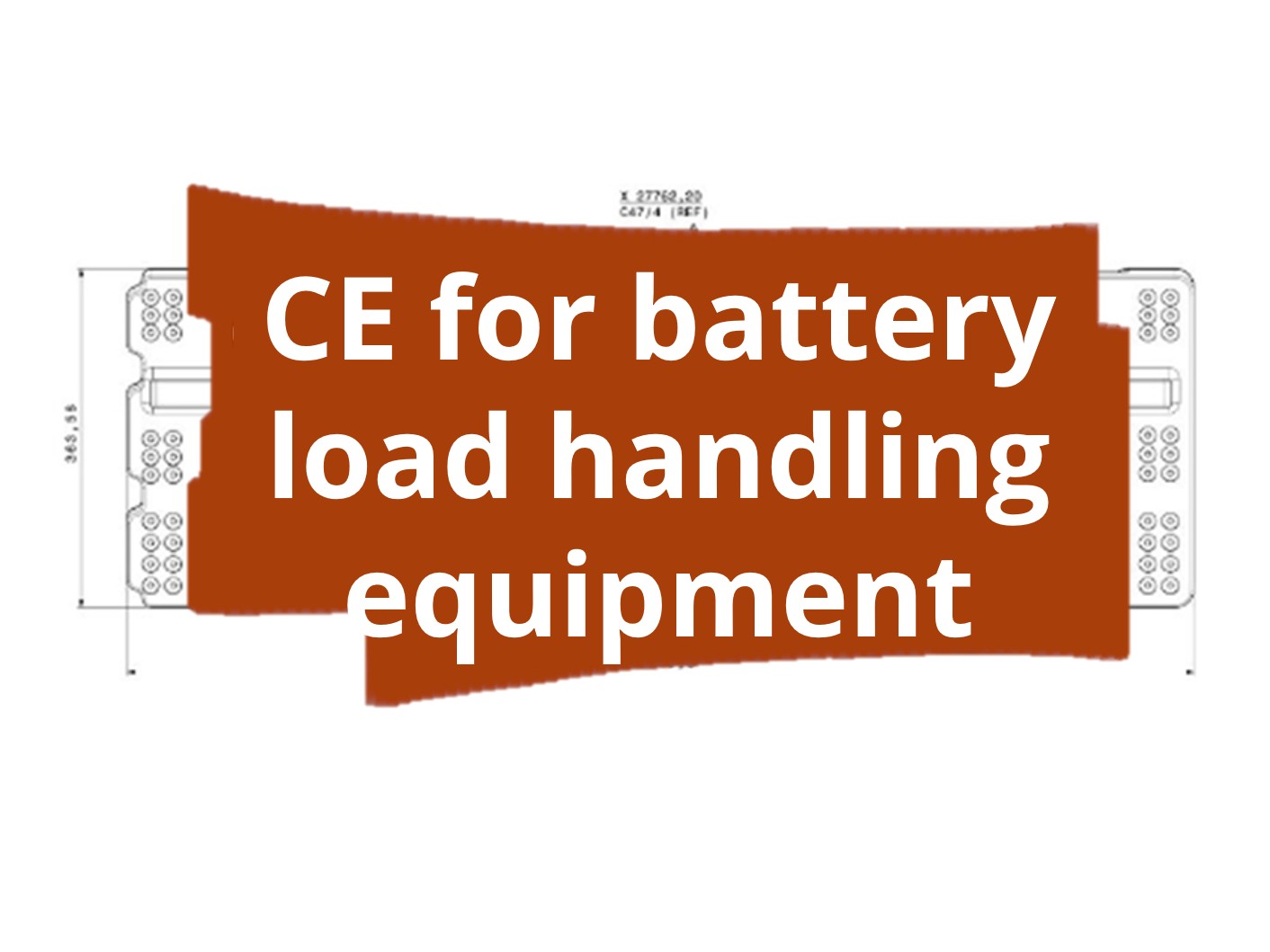
CE marking for industrial load-handling equipment
easyCE supports the CE marking process for equipment used to handle heavy loads in industrial environments, including preparation of the declaration of conformity. The work focused on mechanical strength and the risks identified under EN ISO 12100. It also addressed minimum gaps to prevent crushing under EN ISO 13854 and safety distances to prevent access to hazard zones under EN ISO 13857. The assessment and protective measures were recorded in the technical documentation.
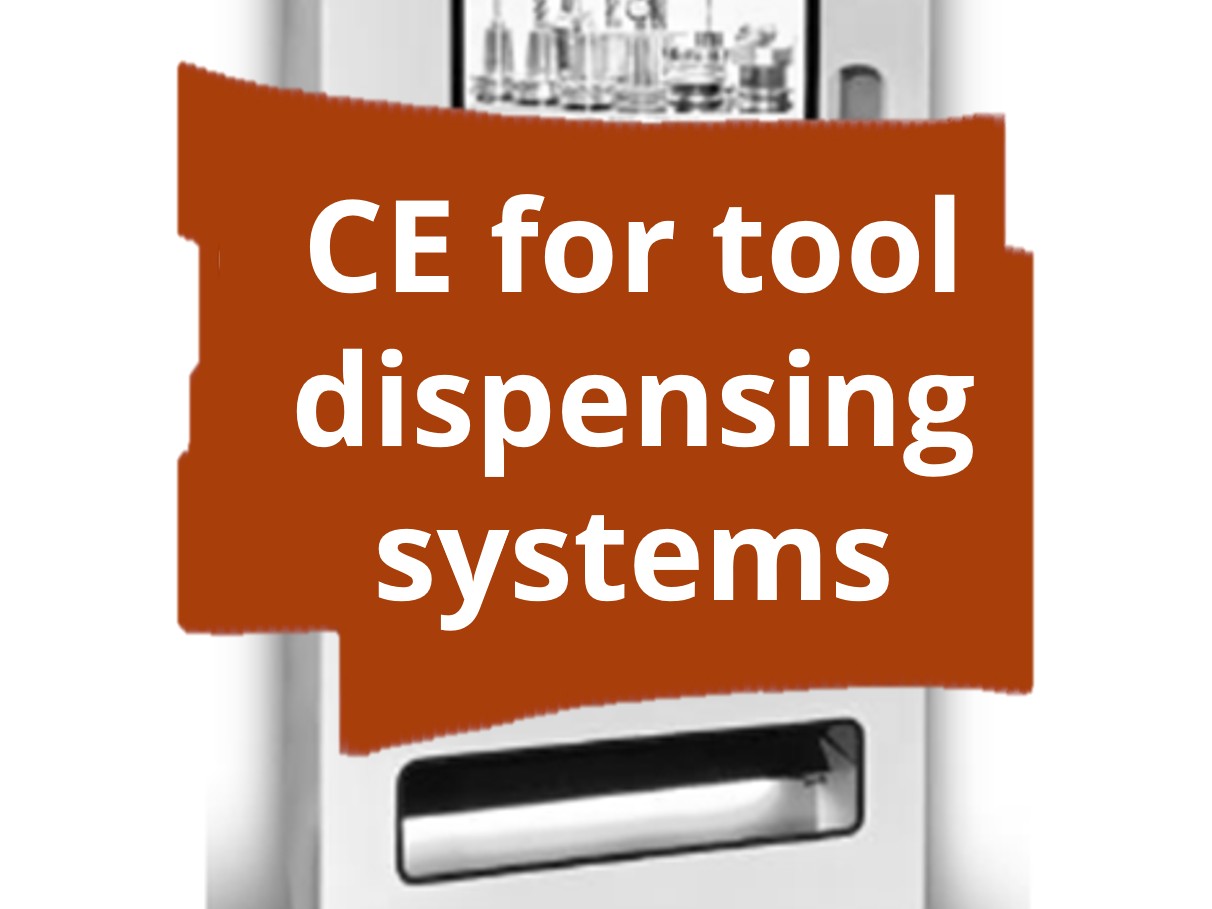
CE marking for tool dispensing systems
easyCE supports the CE marking process for industrial tool dispensing systems, including preparation of the declaration of conformity. The work focused on the ergonomic design of the user interface and safety-related controls under EN ISO 13849-1. The risk assessment under EN ISO 12100 identified hazards and the protective measures needed for the automated dispensing process.
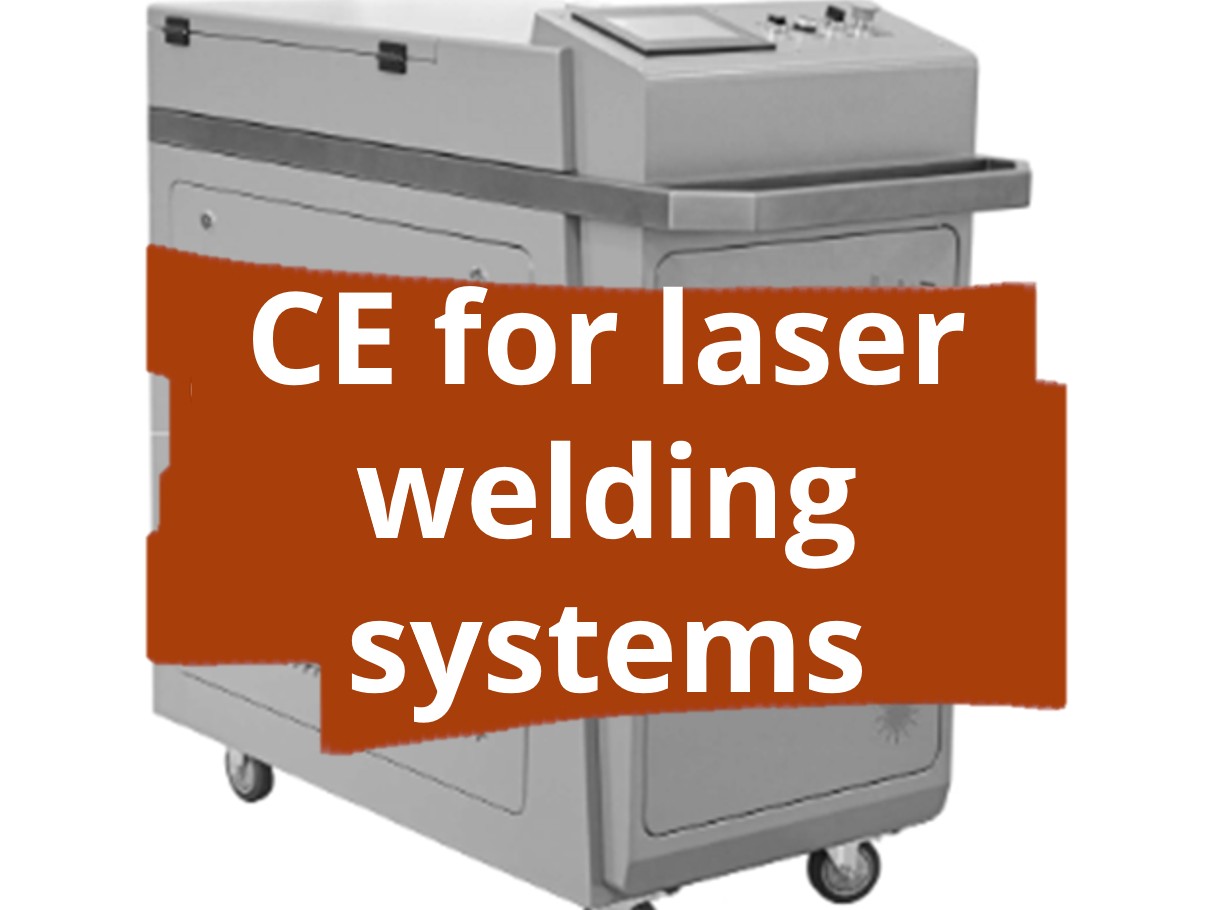
CE marking for high-power fibre laser systems with hand-held welding torches
easyCE supports the CE marking process for a high-power fibre laser system with a hand-held welding torch, including preparation of the declaration of conformity. The risk assessment under EN ISO 12100 focused on exposure to laser radiation. The work addressed the laser safety requirements of EN 60825-1 and the protective measures needed for operators using the high-power system.
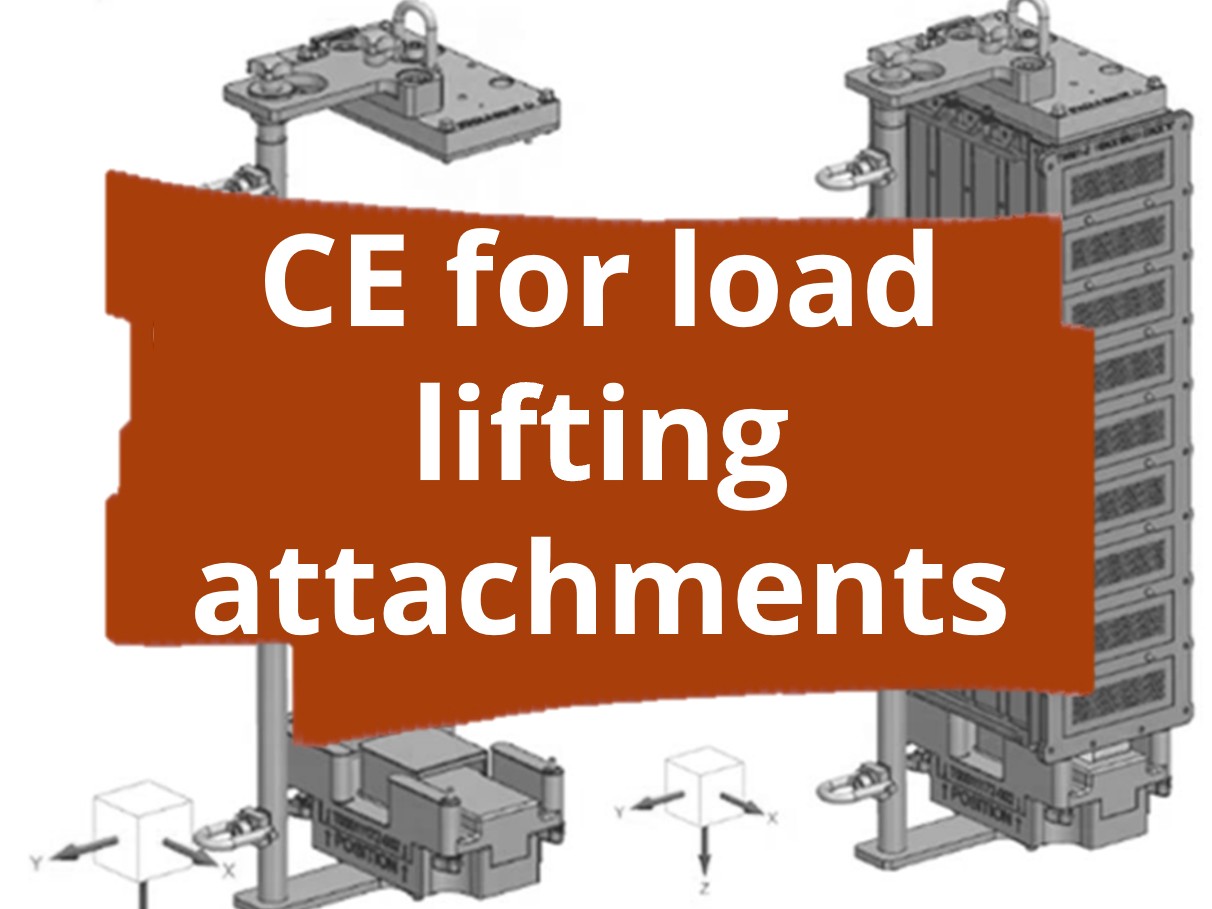
CE marking for lifting accessories used to handle battery stacks
easyCE supports the CE marking process for specialised lifting accessories used to handle energy storage units, including preparation of the declaration of conformity. The assessment covered the requirements of EN 13155:2020 for non-fixed load lifting attachments and risk assessment under EN ISO 12100. A key challenge was verifying mechanical strength, including a test at 1.5 times the rated load and checks that the elastic limit was not exceeded at twice the rated load.

CE marking for mini excavators used in earthmoving
easyCE supports the CE marking process for mini excavators used to move soil, gravel and ballast, including preparation of the declaration of conformity. The risk assessment under EN ISO 12100 covered multiple model variants, including machines with telescopic undercarriages and swing booms. The work also addressed the safety-related control requirements of EN ISO 13849-1 for the different configurations.
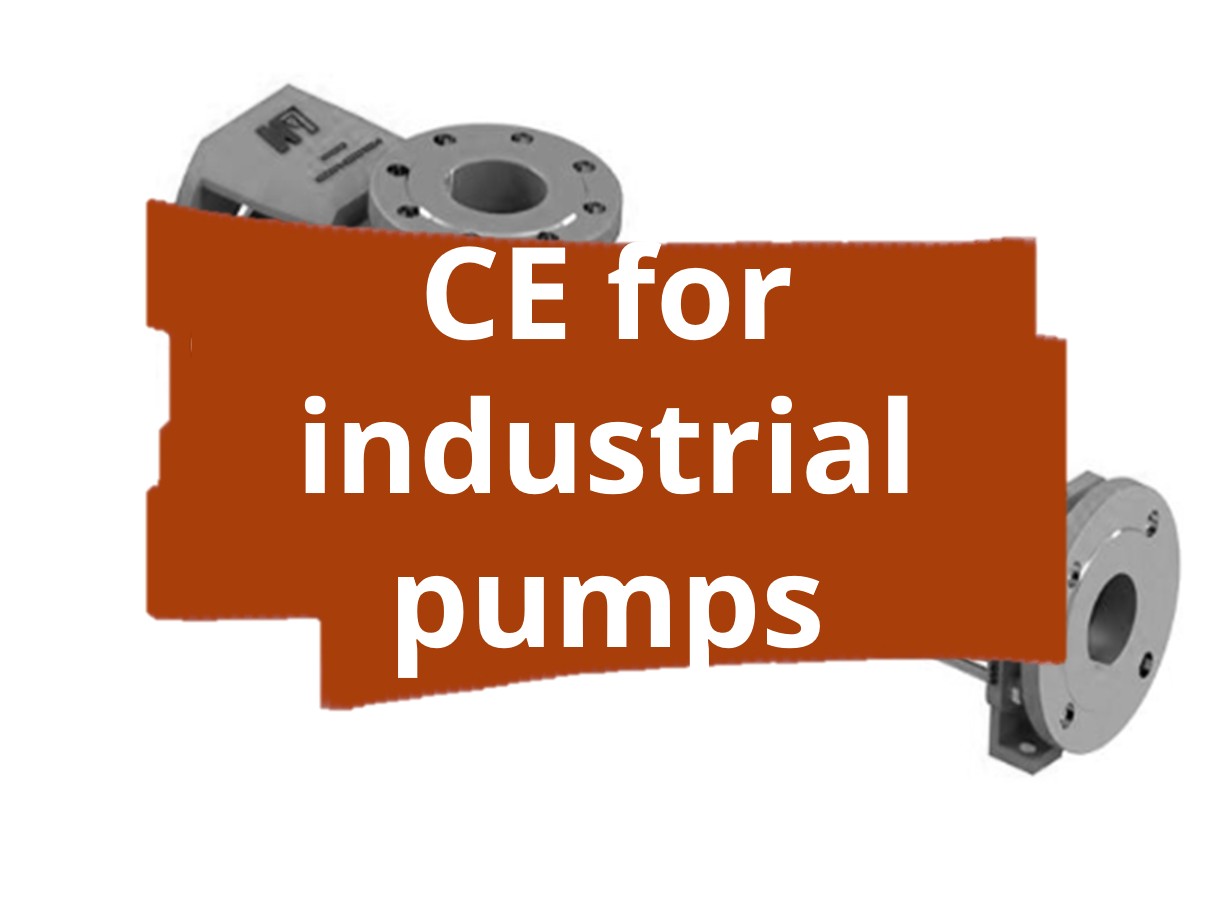
CE marking for industrial pumps in potentially explosive atmospheres
easyCE supports the CE marking process for pumps used in potentially explosive atmospheres, including preparation of the declaration of conformity. The work included an ignition hazard assessment under EN ISO 80079-36 and constructional safety measures to address mechanically generated sparks and electrostatic charging. The pumps were assessed for protection by constructional safety 'c', for use in Zones 1 and 2 with temperature class T3.
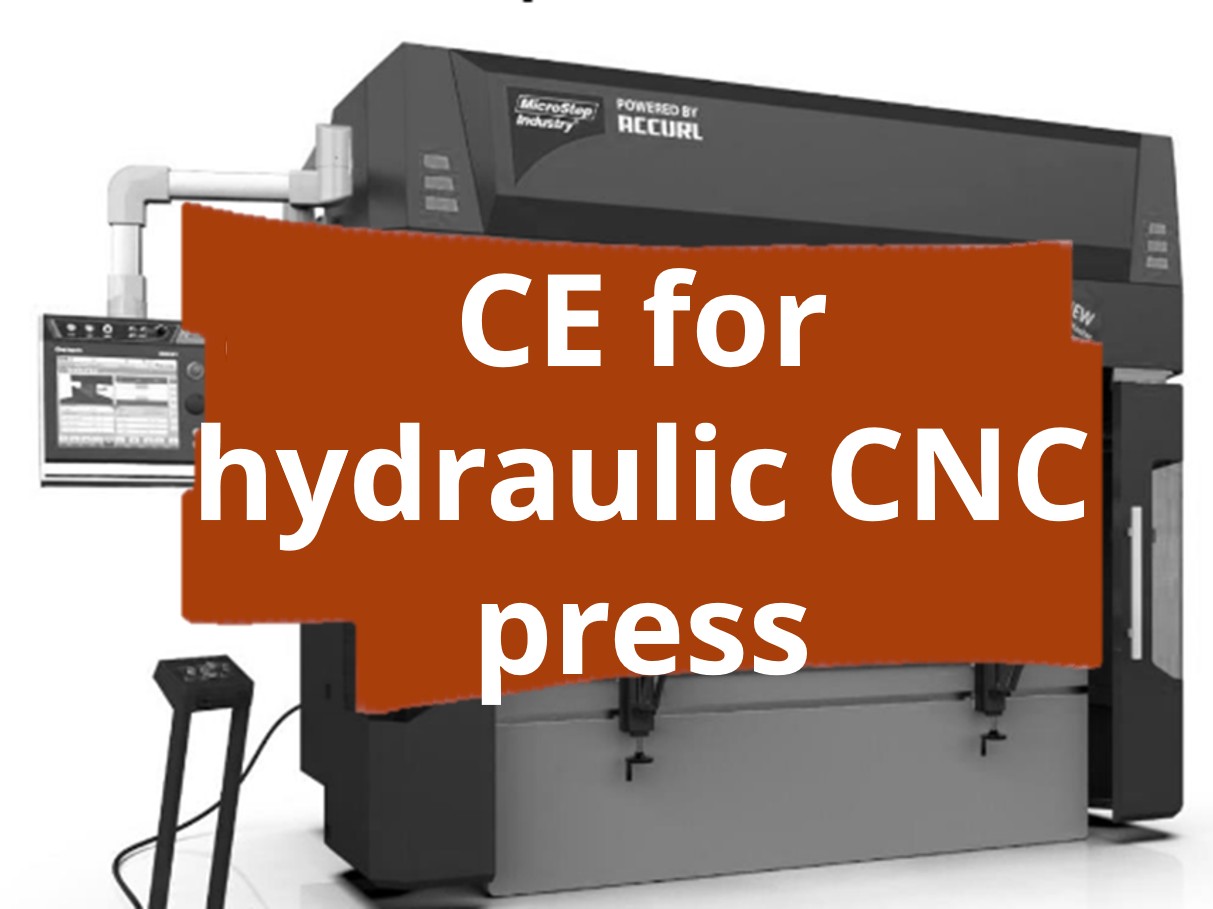
CE marking for hydraulic CNC press brakes
easyCE supports the CE marking process for hydraulic servo CNC press brakes, including preparation of the declaration of conformity. The risk assessment under EN ISO 12100 focused on hazards in the working area between the upper and lower beams. The safety concept combined optical protective devices and safety-related controls under EN ISO 13849-1 to protect operators while supporting precise, productive bending of complex workpieces.
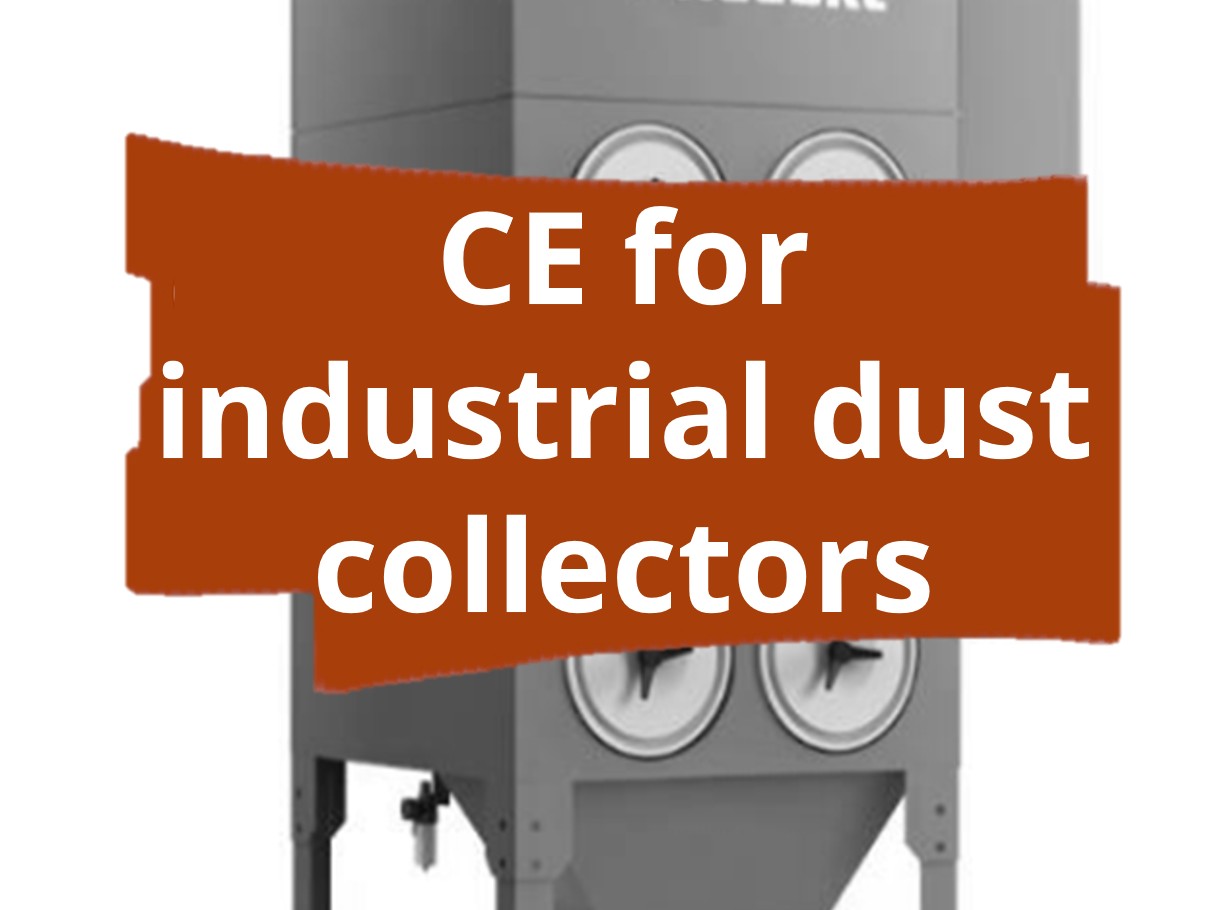
CE marking for industrial dust collection systems
easyCE supports the CE marking process for dust collection systems with automatic pulse-jet filter cleaning, including preparation of the declaration of conformity. The risk assessment considered EN ISO 12100 and EN ISO 14121-1, with particular attention to dust emissions and electrical hazards. The work focused on protective measures for the filter chamber and dust collection areas.
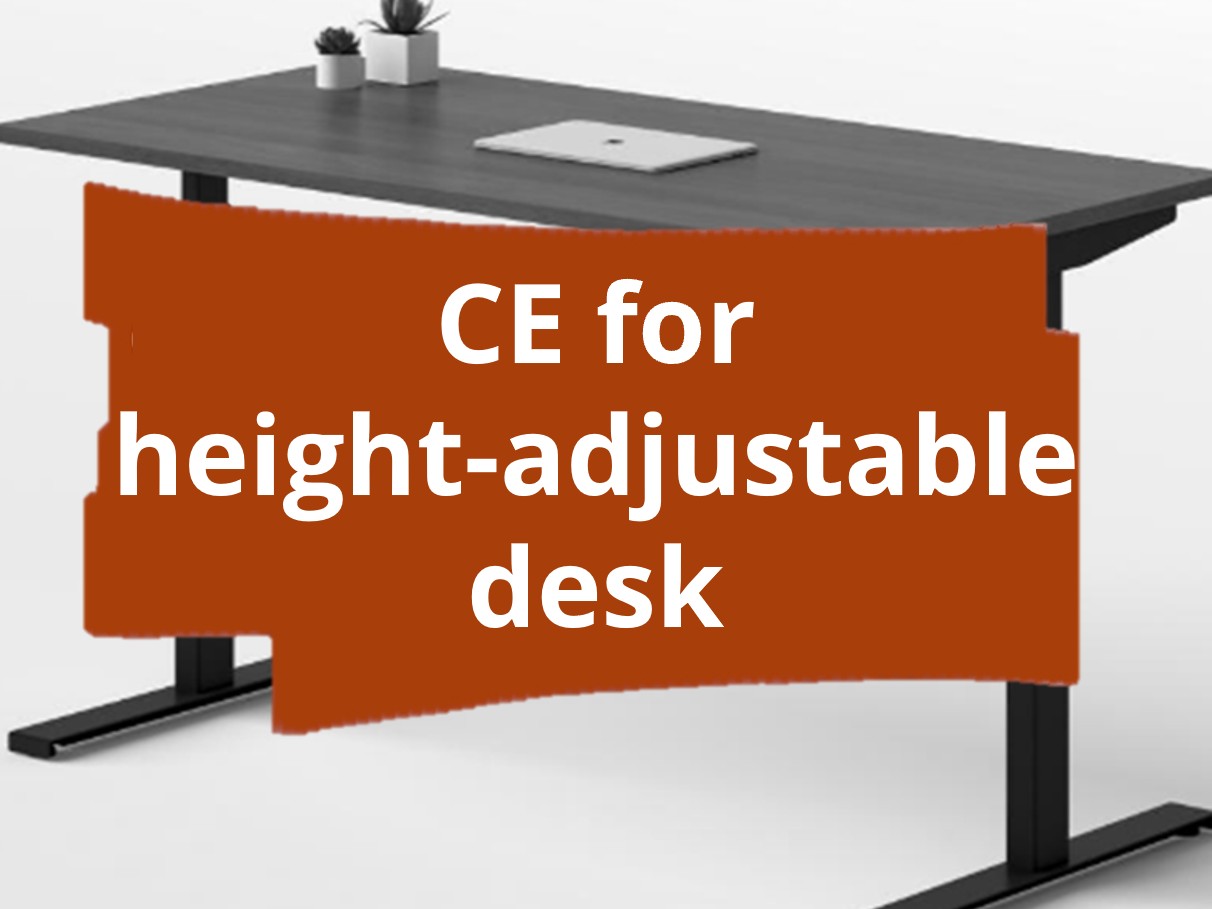
CE marking for electrically height-adjustable desks
easyCE supports the CE marking process for electrically height-adjustable desks, including preparation of the declaration of conformity. The assessment covered the Machinery Directive 2006/42/EC and EMC Directive 2014/30/EU. The risk assessment under EN ISO 12100 focused on crushing and trapping hazards during height adjustment, alongside electrical equipment under EN 60204-1. Anti-collision and overload protection functions help reduce risks during everyday use.
CE marking for scrap containers used as lifting accessories
easyCE supports the CE marking process for lifting accessories used to collect and transport scrap, including preparation of the declaration of conformity. The assessment covered mechanical load capacity and handling by lifting equipment under EN 13155. A key challenge was verifying structural strength across load classes from 1,000 kg to 3,000 kg, alongside the risk assessment under EN ISO 12100.
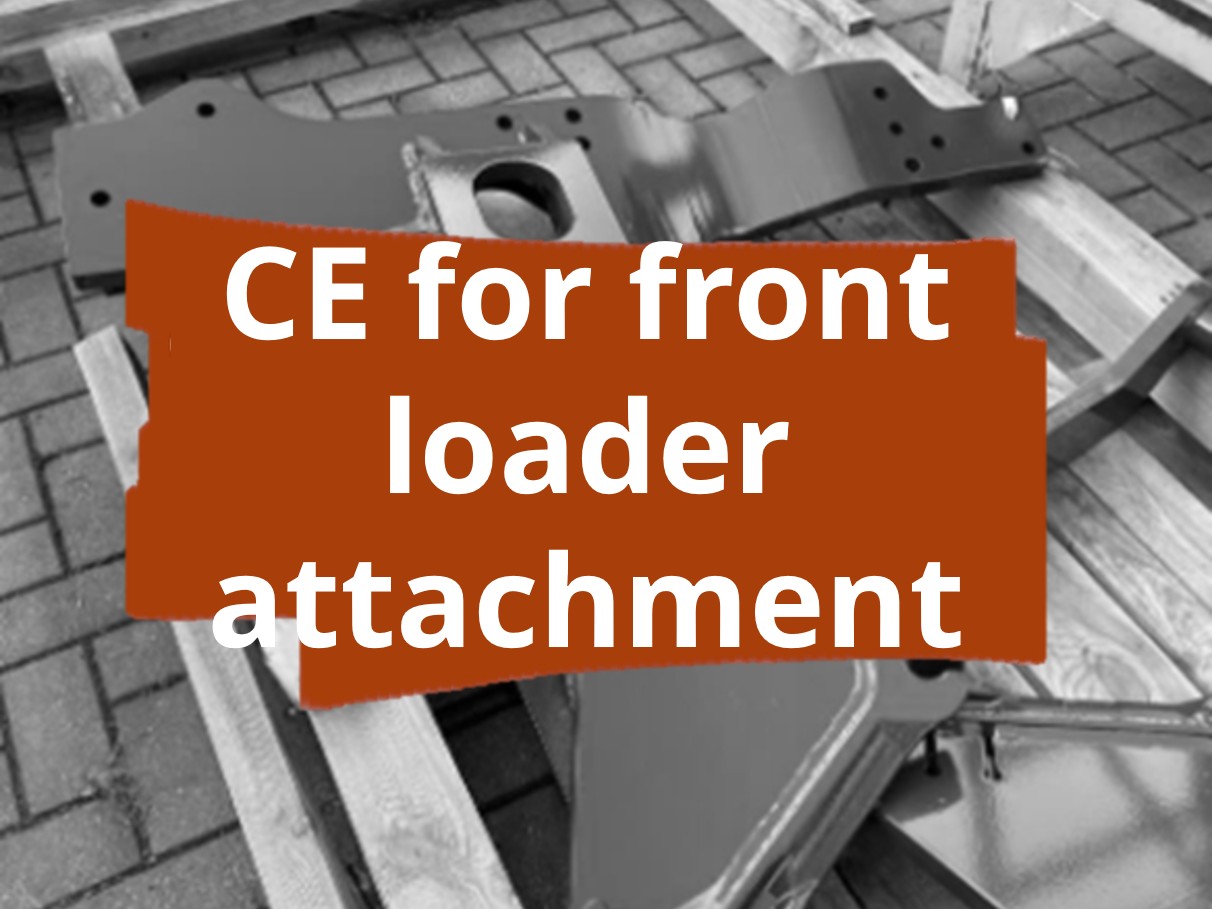
CE marking for agricultural front loader mounting kits
easyCE supports the CE marking process for agricultural front loader mounting kits, including preparation of the declaration of conformity. The assessment covered design risks under EN ISO 12100, with particular attention to component failure under load. The work addressed crushing hazards and mechanical strength under EN 12525, as well as manual handling under EN 1005-2 to reduce strain during assembly and maintenance.
CE marking for front loaders fitted to agricultural and forestry tractors
easyCE supports the CE marking process for tractor-mounted front loaders with an ISOBUS system, including preparation of the declaration of conformity. The risk assessment under EN ISO 12100 considered the requirements for interchangeable equipment. A key challenge was integrating the hydraulic system and electronic controls while addressing safety-related control requirements under EN ISO 13849-1 across the operating modes.
Get started with CE marking in three simple steps
Step 1
Get free initial advice
Speak to a CE expert free of charge about the requirements for your product. Simply tell us what your product does and where you need support.
Step 2
Receive your proposal
We explain the steps involved and propose the support your project needs. You can discuss the scope and ask questions before deciding how to proceed.
Step 3
We get it done
Once you appoint us, your dedicated CE expert carries out the agreed work and supports you throughout the process. Your expert remains available for follow-up questions after completion.
We support you throughout the CE marking process
Frequently asked questions
Which products need CE marking under the Machinery Directive 2006/42/EC?
The Machinery Directive covers powered machinery and certain other products, including manually powered lifting machinery, interchangeable equipment, safety components, lifting accessories, chains, ropes and webbing for lifting, and removable mechanical transmission devices. Products within these categories require CE marking before being placed on the EEA market or put into service, unless an exclusion applies.
Partly completed machinery follows a separate procedure: relevant technical documentation, assembly instructions and a declaration of incorporation are required. It must not bear CE marking under the Machinery Directive alone. The completed machine must meet the applicable requirements before it is placed on the market or put into service. easyCE can help you establish which category applies to your product.
Which other directives may apply when CE marking machinery?
Other legislation may apply depending on the machine's design, intended use and any scope exclusions. Examples include the RoHS Directive 2011/65/EU, the ATEX Directive 2014/34/EU and the EMC Directive 2014/30/EU. The relationship with the Low Voltage Directive 2014/35/EU needs particular care, as explained below. easyCE identifies the legislation relevant to your machine.
Can machinery users also be responsible for conformity assessment?
A machinery user can take on the manufacturer's responsibilities, for example by building machinery for their own use or creating an assembly that functions as a single machine. Simply buying or using a machine does not automatically require a new conformity assessment.
Where manufacturer responsibilities apply, the applicable conformity assessment must be completed before the machinery is placed on the market or put into service. This includes preparing the technical file, EC declaration of conformity and operating instructions, and providing the required identification and CE marking. Employers also have separate duties to assess workplace risks and provide safe work equipment.
What happens if a machine is modified or rebuilt?
A modification can affect the safety of a machine or the assembly it forms part of. Whether a new conformity assessment is needed depends on the specific changes, their effect on risks and the applicable legal requirements. A repair or replacement does not automatically trigger a new CE marking process.
Changes to drives, control systems, intended use or protective measures need a careful safety assessment. easyCE can assess the proposed changes, document the findings and help you determine the next steps.
How does the Machinery Directive differ from the Low Voltage Directive?
For machinery within the Machinery Directive's scope, the electrical safety objectives of the Low Voltage Directive apply, but the Machinery Directive governs conformity assessment for those electrical hazards. The Low Voltage Directive is therefore not simply an additional conformity assessment requirement for every electrically powered machine.
The Machinery Directive excludes six categories of electrical and electronic products where they are covered by the Low Voltage Directive: household appliances intended for domestic use, audio and video equipment, information technology equipment, ordinary office machinery, low-voltage switchgear and control gear, and electric motors. Other applicable product legislation still needs to be considered.
How do ISO 12100, EN ISO 13849-1 and EN IEC 62061 support machinery safety?
Risk assessment is required by the Machinery Directive. ISO 12100 provides a framework for assessing and reducing machinery risks. EN ISO 13849-1 addresses safety-related parts of control systems, while EN IEC 62061 addresses the functional safety of safety-related control systems. They serve different purposes and do not all apply to every machine.
Applying standards is generally voluntary. A harmonised standard whose reference is published in the Official Journal of the EU can provide a presumption of conformity with the essential requirements it covers. easyCE identifies relevant standards, checks their scope and helps you apply them to your machine.
Where can I find more answers about CE marking?
Visit our CE marking FAQ for guidance on responsibilities, risk assessment and affixing the CE marking.
Trust the experts in product safety and compliance

Willy Lebherz, Founder and Managing Director of easyCE
- Expert in product safety and compliance, since 1995
- Recipient of the "Medal of the Order of Merit of the Federal Republic of Germany", awarded in 1983 by the then Federal President Carl Carstens
- Meister qualification in measurement and control technology
- Captain (ret.), Project Officer for Technical Logistics in the Army Material Office and Chief of the Telecommunications Repair Company
easyCE specialises in product safety and conformity assessment. We combine engineering expertise with digital tools to help manufacturers, machinery users and distributors bring compliant products to market. From risk assessment and identifying relevant standards to technical documentation and test coordination, we carry out the work your project needs. You can choose support for the full process or individual tasks, with a dedicated CE expert as your point of contact. Founded in southern Germany, we work with customers worldwide.
We understand the requirements that apply to your product and can help you work through them.